🎧 Listen to this story
Full narration — My Best Friend Said I Was “Draining” After Ten Years of Always Being T
Narrated by Dramateller
I met Rachel during our first week of college, when she knocked on my dorm room door holding a melted pint of ice cream and said her boyfriend had just broken up with her via text. I sat with her until 3 AM. That was the pattern of our entire friendship: Rachel would fall apart, and I would catch her.
For ten years, that was how it worked. I talked her through every breakup, every family fight, every job crisis. I drove two hours to pick her up from a party where she felt uncomfortable. I loaned her money for a security deposit she never paid back. I slept on her floor for a week after her father died, canceling my own plans without a second thought.
I never kept score. That’s what real friends do, right? You show up. You don’t count the favors. You’re just there.
But somewhere along the way, I stopped being a person to Rachel. I became a function. A hotline she could call. An audience she could perform her pain for. And the moment I stopped performing the role she’d assigned me, I found out exactly how little our friendship had ever meant to her.
The end of my marriage didn’t happen dramatically. There was no affair, no screaming fight. My husband and I just slowly stopped being able to reach each other. It was the kind of quiet, gray ending that leaves you disoriented rather than destroyed — until the grief catches up.
Three months after he moved out, I was still sleeping on the couch because our bed felt too big. I had stopped returning nonessential texts. I was showing up late to work. I was drowning, and I knew it, but I didn’t know how to ask for help because I had never been the one who needed it.
When I finally called Rachel, I didn’t even ask for anything specific. I just told her I was struggling. I told her I felt like I was disappearing inside my own life.
There was a pause. Then she said, “I hear you, but I need to be honest with you.”
I braced myself for something kind. Something wrapped in the same gentle language I had used with her a hundred times.
“You’ve been really draining lately,” she said. “I know you’re going through stuff, but it’s a lot. I have my own life, my own stress. I can’t be your emotional support person right now.”
I apologized. I actually apologized.
I told her I understood. I said I hadn’t realized I was being too much. I said I would work on it.
She said, “I appreciate that.” And then she changed the subject to her wedding plans.
I didn’t call her again. Not out of anger — out of shame. She had made me feel like needing a friend was a character flaw. So I stopped asking anyone for anything. I went to work. I came home. I stared at the ceiling. I told myself this is what grown-ups do: they handle their own problems.
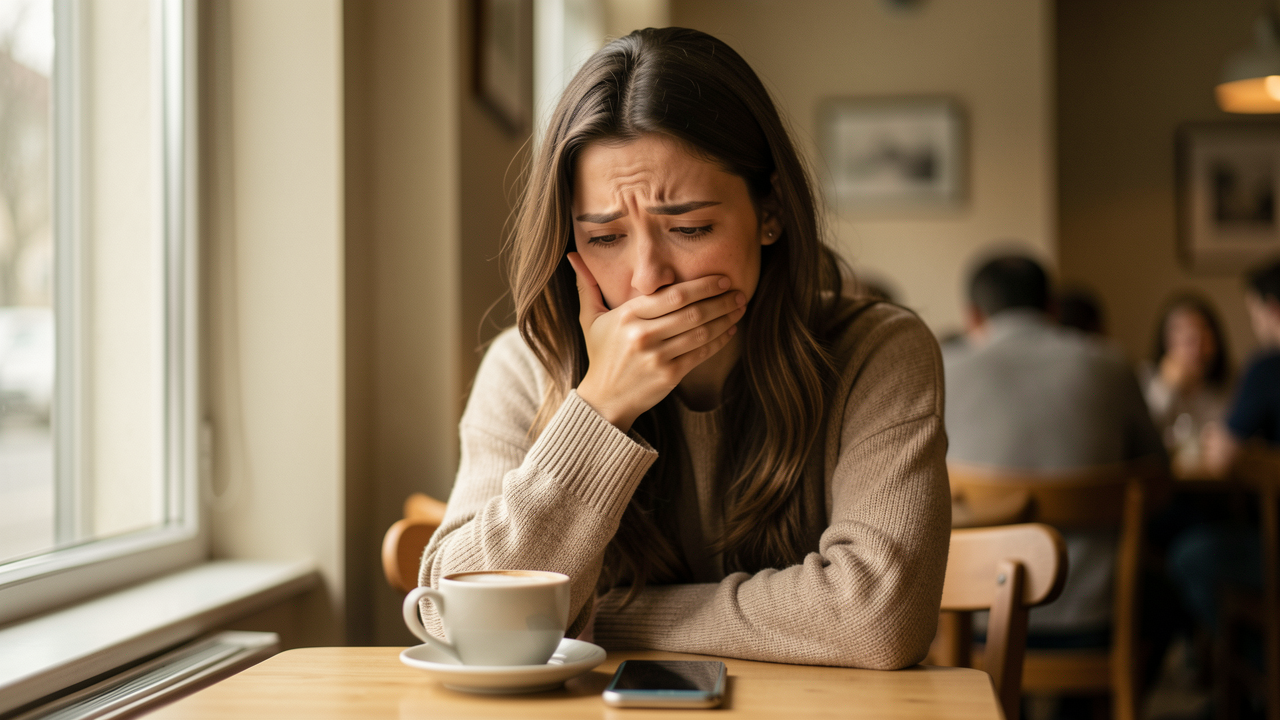
Two months later, a mutual friend named Jenna asked me to coffee. Jenna and I had never been especially close, but she had always been kind. We made small talk for twenty minutes before she put her coffee cup down and said, “There’s something I need to show you.”
She pulled out her phone and opened a group chat.
The chat had four women in it. All people I considered friends. Rachel was the most active poster.
There were screenshots of my Instagram posts with cruel captions I hadn’t seen because Rachel had me muted. There were jokes about my divorce. About how I “couldn’t keep a man.” About how I was “emotionally exhausting” and “dramatic.” About how Rachel had “earned” her happiness while I was “wallowing.”
I read through dozens of messages. Rachel had been the ringleader. She had been curating a narrative about me for years — painting me as the unstable, jealous, pathetic friend who couldn’t get her life together.
When I looked up from the phone, Jenna was crying. “I’m sorry,” she said. “I should have shown you sooner. I just didn’t know how.”
I asked her how long the chat had been active.
“Three years,” she whispered.
Three years. Rachel had been smiling at me, calling me her best friend, crying on my shoulder, while secretly mocking me behind my back with a group of people who pretended to like me to my face.
I didn’t scream. I didn’t cry. I just sat there, feeling something shift inside me. Not anger. Not yet. It was the cold, quiet realization that I had been a prop in my own life — a supporting character in Rachel’s story, useful only as long as I stayed in my role.
I drove home. I deleted Rachel’s number. I unfollowed her on everything. I didn’t send a dramatic message or post a passive-aggressive quote. I just removed her from my life the way you’d delete an app you no longer use.
She noticed, of course. She texted me a week later asking if I was “still in a bad place.” I didn’t answer. She called twice. I let it go to voicemail. The messages went from concerned to confused to vaguely insulted — “I thought we were closer than this.”
And that was the part that stayed with me. Even in her confusion, she was the victim. Even when she had been caught, she couldn’t see what she’d done. She genuinely believed she was a good friend who had simply been overwhelmed by my “negativity.”
I’ve thought a lot about what I would say to her if I ever had the chance. But I don’t think she would hear it. Some people don’t betray you because they’re bad people. They betray you because they genuinely don’t see you as a person with a life as real and important as theirs.
I was never a friend to Rachel. I was an audience. And the moment I stopped clapping, I stopped being useful.
Maybe that sounds bitter. Maybe it is. But I also think there’s something freeing about finally understanding the terms of a relationship you thought was something else. You stop wondering what you did wrong. You stop trying to earn love you were never going to receive. You just move on.
These days, I’m learning what it means to have friendships where both people show up. Where I don’t have to earn kindness. Where I can say “I’m struggling” and hear “I’m here” instead of “you’re too much.”
It turns out that was the standard I should have had all along.
Have you ever had a friendship end not with a fight, but with the slow realization that it was never what you thought it was?