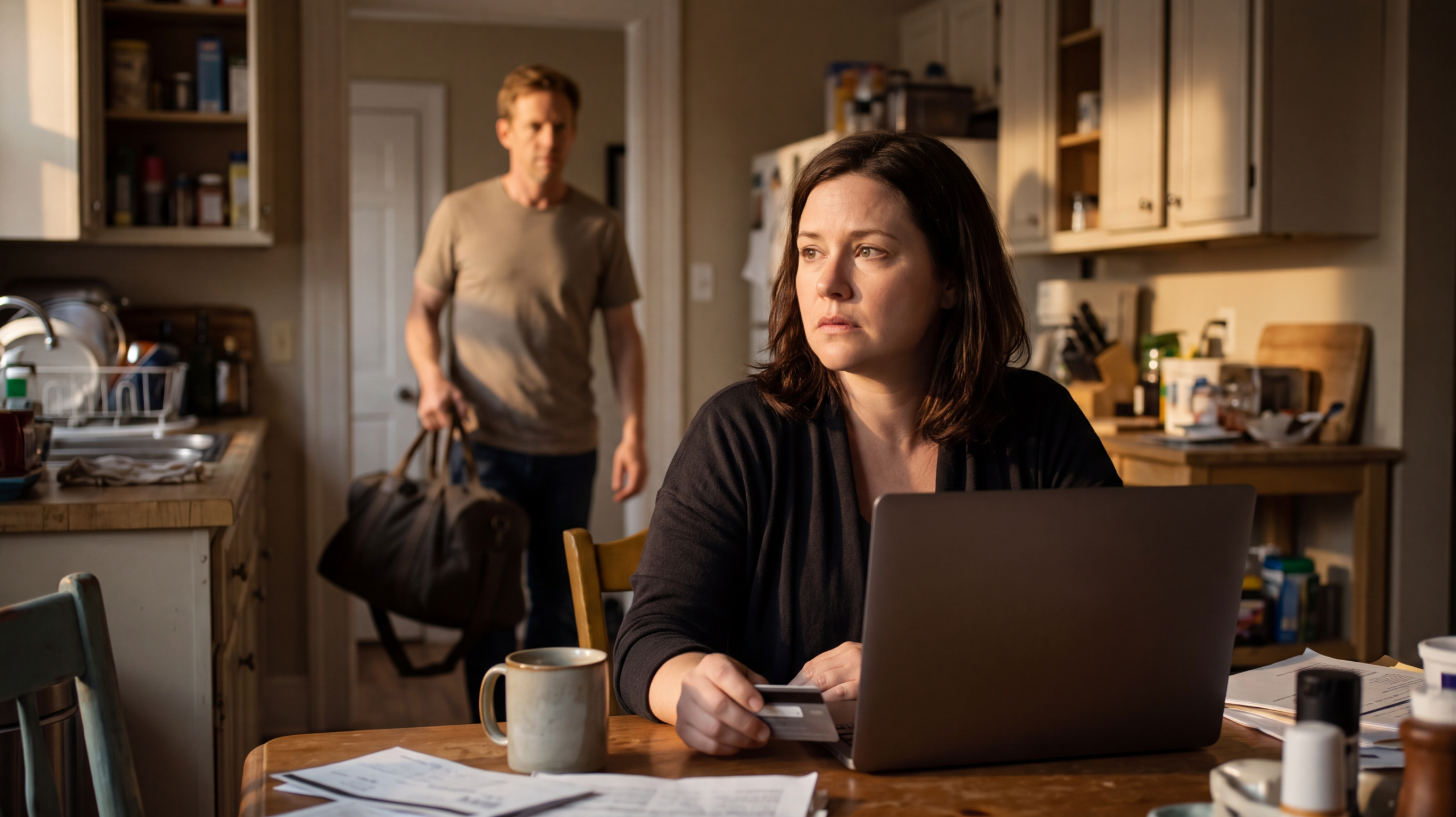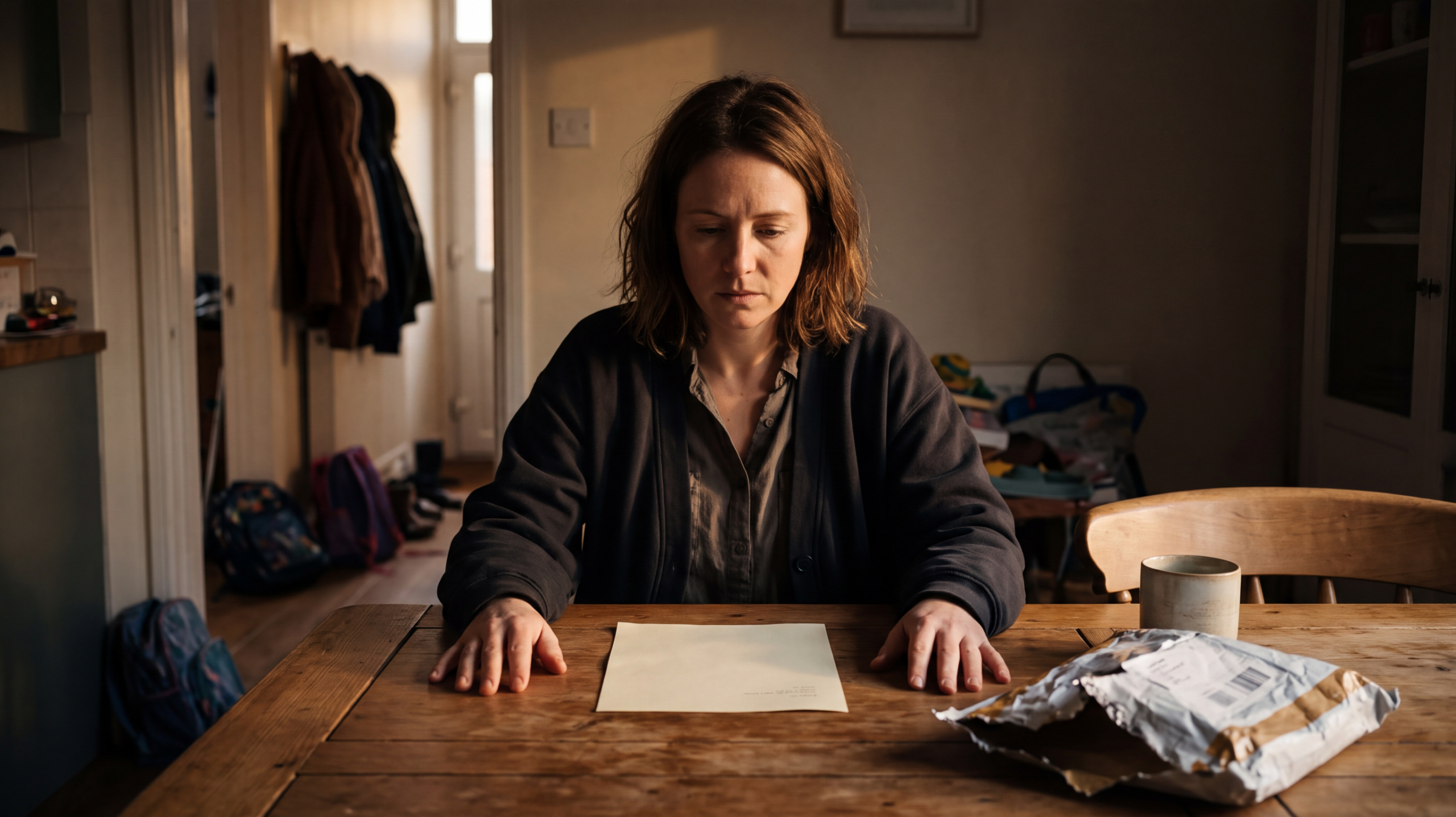
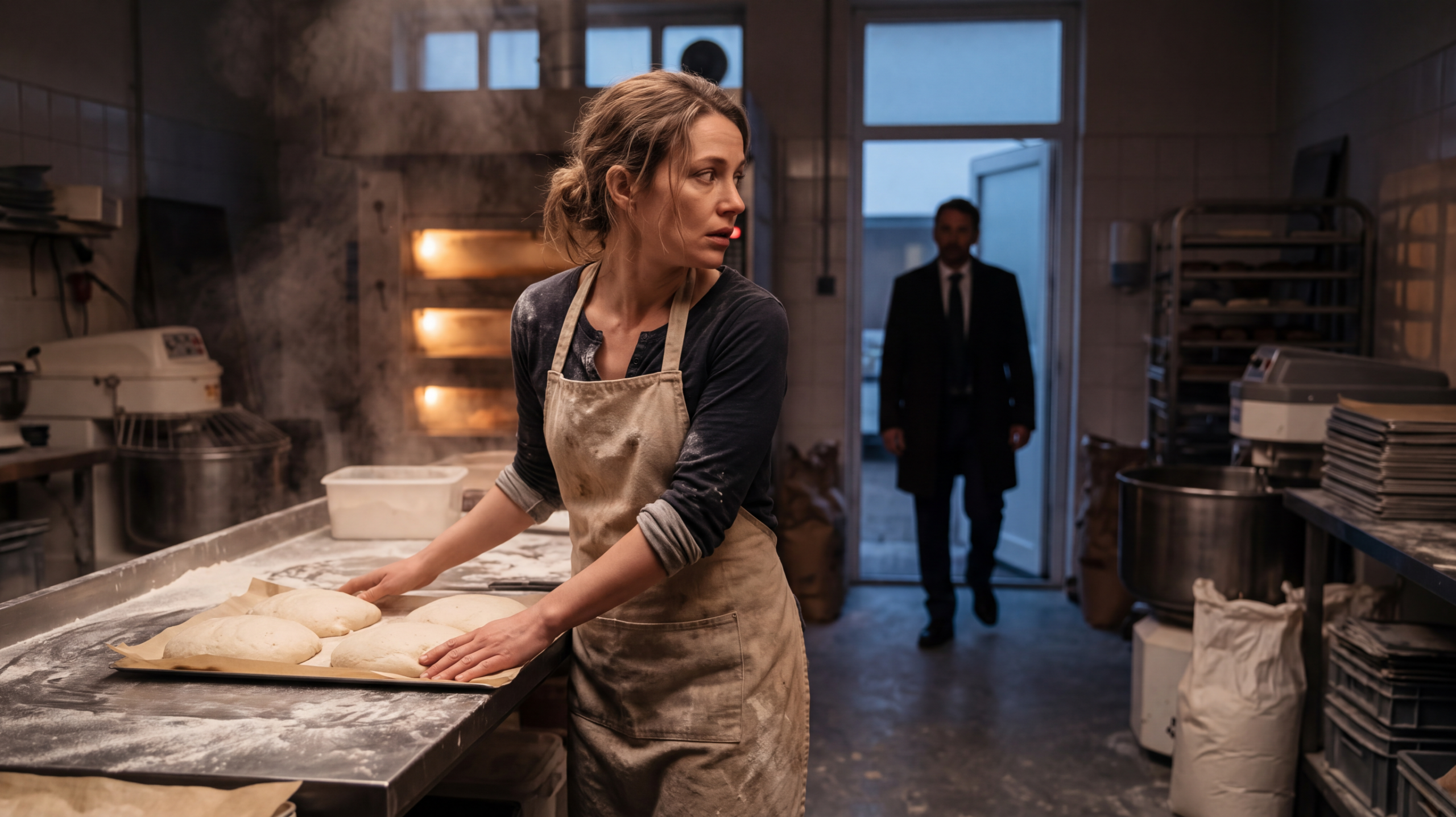
He slept with his mouth open, hair stuck to his forehead. I sat on the floor and looked at his right ear, which folds at the top in a small crease, as if it were listening to something behind him. Ten thousand times I had looked at that ear, including the night he was born. His eyes were gray-blue. Mine are brown.
I opened the kitchen drawer where I keep the batteries, the takeaway menus, and the things that have no other home.
The scarf was gray wool, folded, and had stopped smelling of anything years ago. Under it was the coaster, the brewery logo worn to a ghost, and on the back in blue ballpoint, Nate and a number.
He wrote it because I had no pen and he had no paper. He said it twice while he wrote so I would remember, then pushed it across the bar and told me the ferries would be running by morning.
I dialed.
“The number you have dialed is not in service. Please check the number and dial again.”
I dialed again. The same flat voice, the same words in the same order. I listened twice more before I hung up.
The next morning the fever was down to ninety-nine and the sitter took him, so I went in an hour early.
Gil Fenwick retires in eleven weeks and has been packing for nine of them. When I knocked he was in the corridor in his shirtsleeves holding a framed photograph.
“Look at this. They had it in the boardroom for the acquisition photos. Nobody wanted it after.”
Black frame, brass plate screwed to the bottom. Calder Bay, March 2021.
In the photo a man stood behind a cutting board in a striped apron, sleeves rolled, a serrated knife in his right hand, laughing at somebody outside the frame. The scar was a pale mark below his cuff.
“That was the opening,” Gil said. “Terrible weather. Half the district couldn’t get home.”
“Calder Bay.”
“Little branch. Two blocks up from the harbor, next to that fish place with the chalkboard. The Salt Room.” He squinted at me. “You cooked there, didn’t you? Before you came to us.”
“That spring,” I said. “I cooked there that spring.”
Gil set the frame on the corner of his desk. “That’s Kessler cutting the first loaf. He ran new stores then.” He tapped the glass. “He asked for the dawn bake first yesterday. Said he wanted to see the floor before the paperwork.”
I looked at the date on the plate until the numbers went soft.
Five years I had told myself the man in that room was nobody. A stranger passing through a closed harbor in bad weather. I had built a small life on that, and Gil Fenwick’s wall had just put a brass plate under his name.
“Dana?” Gil said.
“I’ve got a truck to load,” I said, and went down four flights and stood at the bottom of the stairwell with my hand on the rail until the door stopped moving.
The proving room was warm enough to make your eyes tired. He was in there alone, sleeves rolled past the scar, one palm flat on the retarder lid as if he could feel the dough through the steel.
“Ms. Whitfield.” He didn’t straighten. “Your night lead tells me the rye came out flat.”
“It did. Four tins, cold oven, bricks.”
He laughed, one short breath through his nose, and something in my chest turned over and lay down again. I knew that laugh. I had heard it in a room with a storm against the window and a radiator that knocked all night.
I made myself say it. “You opened the Calder Bay store.”
His hand stayed on the lid. “March 2021. Bad week for weather.”
“I cooked at The Salt Room that spring. Two blocks up from your door.”
“Did you.” He looked at the retarder gauge, not at me. “Small world.”
“It’s a small town.”
“It was.” He straightened and wiped his palms on a cloth. “I was there for the opening and I left the next morning. That’s all I saw of it. The bakery, the hotel, the road out.”
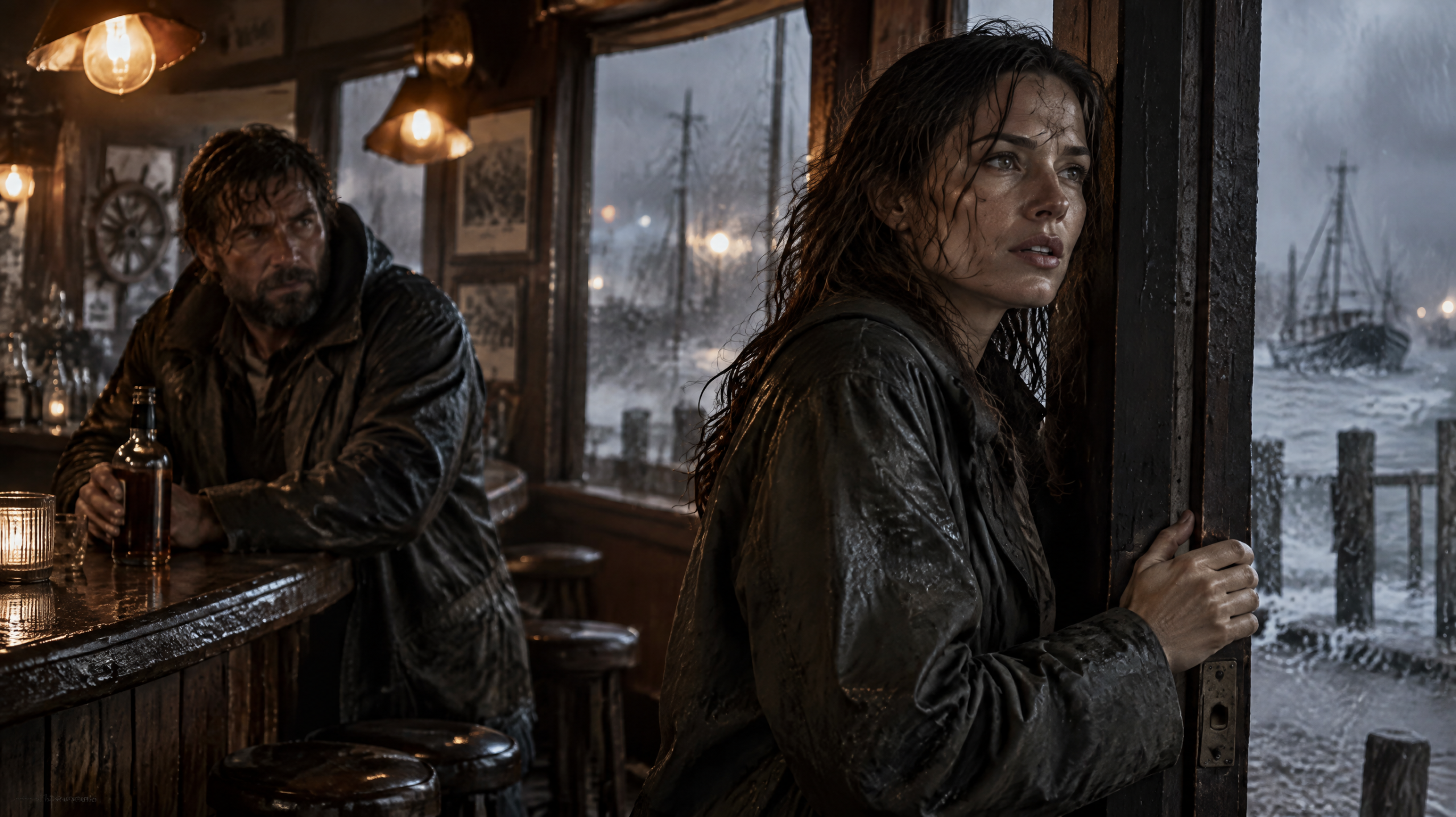
The road out. There had been no road out. There had been a harbor with the ferries tied up and a wind that took the door of the bar out of my hand.
“The road,” I said.
“The coast road.” He said it easily. “I had a car.”
I had walked with him to the inn at six in the morning. There had been no car on that street. Only a fishing van with a broken light and a man hosing down the pavement.