
I looked at the closed door. Outside it, I would still have to pass Felix’s desk.
Grant offered a small raise. He said he could put it through in the next payroll cycle if I stopped challenging the appointment and kept the authorship dispute out of further client conversations.
“So the raise is for being quiet.”
“It’s for being professional.”
I told him I needed to think. I hated saying that, but I needed to know what leaving would cost before I let anger make the decision.
That night I retrieved my signed employment agreement from the folder where I kept my lease and insurance papers. My signature looked hurried. I remembered being grateful to have a job when I signed it.
The lawyer I paid to review it read the whole thing before answering my questions.
There were no restrictions in my agreement preventing me from working for a former client, she told me. That did not make the agency’s code mine. Its confidential information remained protected too.
“I wrote that code,” I said.
“Don’t take it.”
I had wanted the answer to leave me with something tangible for six months of work. Instead, she explained the boundary again, and I asked questions until I could repeat it without looking at my notes.
I could leave. I could use my skills. I could not carry the agency’s files out with me.
The next morning, I declined Grant’s raise and gave him my resignation in writing.
I decline the proposed salary adjustment and am resigning from my position.
He read it twice.
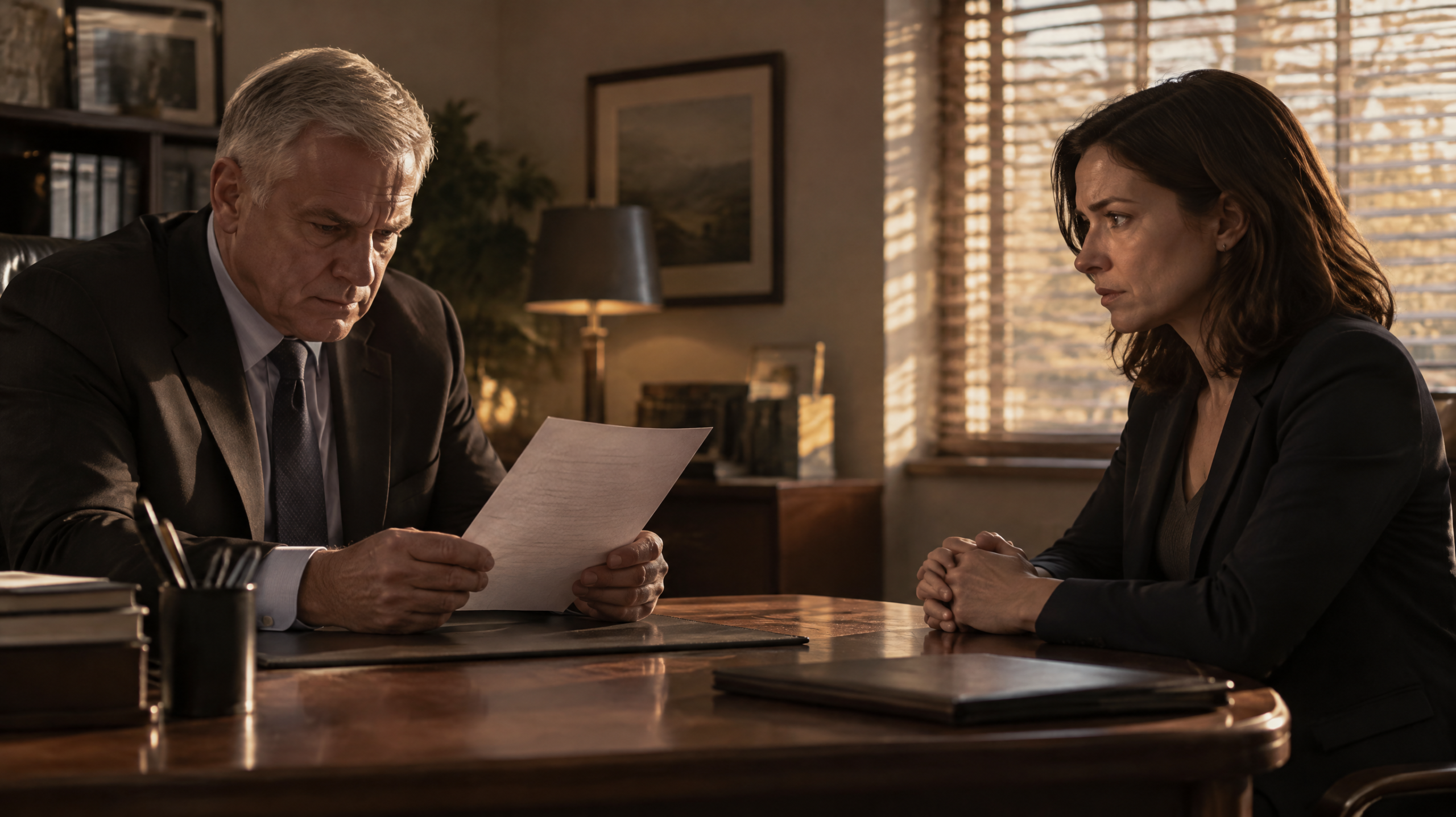
“You’re going to regret doing this over credit.”
“It’s my job,” I said. “Not a credit on a slide.”
I completed the departure without copying code, forwarding client records, or saving the presentation that had started it. I returned my equipment. I did not contact Ruth.
Beth asked whether I had another job. When I said no, she went quiet long enough that I checked the call was still connected.
“I’m not asking you for money,” I told her.
“That doesn’t mean this won’t cost me.”
I had no answer that would reassure her without pretending she was wrong.
After I had left the agency, Ruth called my personal number. She identified herself, then asked whether I was available to discuss independent work.
“I’d like a proposal,” she said. “For our routing needs.”
I sat down at my kitchen table.
“I can’t give you the agency’s tool.”
“I’m not asking you to.”
“I mean none of it. I’d have to build a replacement from scratch. With data your company supplies and authorizes me to use. It would take time.”
“Put that in the scope.”
I made her wait while I wrote it down. I was afraid that if I agreed too quickly, I would stop asking the questions that protected me.
Her written authorization arrived afterward: You are authorized to use delivery data owned and supplied by our company solely to develop an independent replacement routing tool. No agency code or confidential materials are authorized for use.
I saved it in a new project folder on my own computer. There was nothing else in the folder yet. Everything I proposed to sell her would have to be built there.
For the next three weeks, I worked at that table. Some mornings I spent an hour finding a mistake that turned out to be mine. There was nobody else to blame now. I kept dated versions of the new code and Ruth’s supplied data in separate folders.
Then Ruth invited Grant, Felix, and me to a renewal review at her office. Grant called before I had finished reading the invitation.
“You think changing the name makes it yours?” he said.
“I haven’t taken your tool.”
“You’re selling my work to my client. Withdraw the proposal, or I’ll bring a theft claim.”
My hand tightened around the phone. I wanted to tell him whose work he had put on that screen. Instead, I said, “Send any allegation to my lawyer.”
Afterward, I checked my project folders again. His accusation had made me afraid even though I knew what was in them.
Beth called that evening. I told her about the proposal before she could ask.
“So you didn’t just leave,” she said. “You went after the account.”
“Ruth contacted me.”
“And you could have said no.”
That was true. I had been leaning hard on who made the first call, as though accepting had not been my decision.
“I could have,” I said.
“You know what this does to us.”
I stared at the grocery receipt beside my keyboard. “I know what staying did to me.”