
The 7:40 lurched coming out of the tunnel and the tray went sideways in my hands.
Four coffees, lids pressed down, wedged into a cardboard carrier. I buy them every other Thursday for the regional managers’ meeting, because the machine at head office makes something that tastes like it has been strained through a radiator, and because a person who arrives with the right coffee at eight gets listened to at nine.
Then the front cup popped its lid and went over the man in the window seat.
Not a splash. The whole cup, down the front of his coat and into the open folder on his knee. He jerked back, his elbow hit the glass, and the coffee kept coming, over the papers, along the seat.
“Sorry.” I got the carrier onto the table with my free hand. “I’m so sorry. It’s gone right down your coat.”
He didn’t answer. Fifty or so, grey at the temples, in a heavy wool coat with the collar turned up. He lifted the folder and coffee ran off the bottom corner of it and spotted his trousers.
“I’ll pay for the cleaning.” I was dabbing at his sleeve with a napkin the size of a beer mat. “There’s a place by the station, they turn things round same day. Forty pounds, if that’s what it comes to. I’ll leave it with you.”
“Keep your money.” He said it flatly, not angry, which was worse.
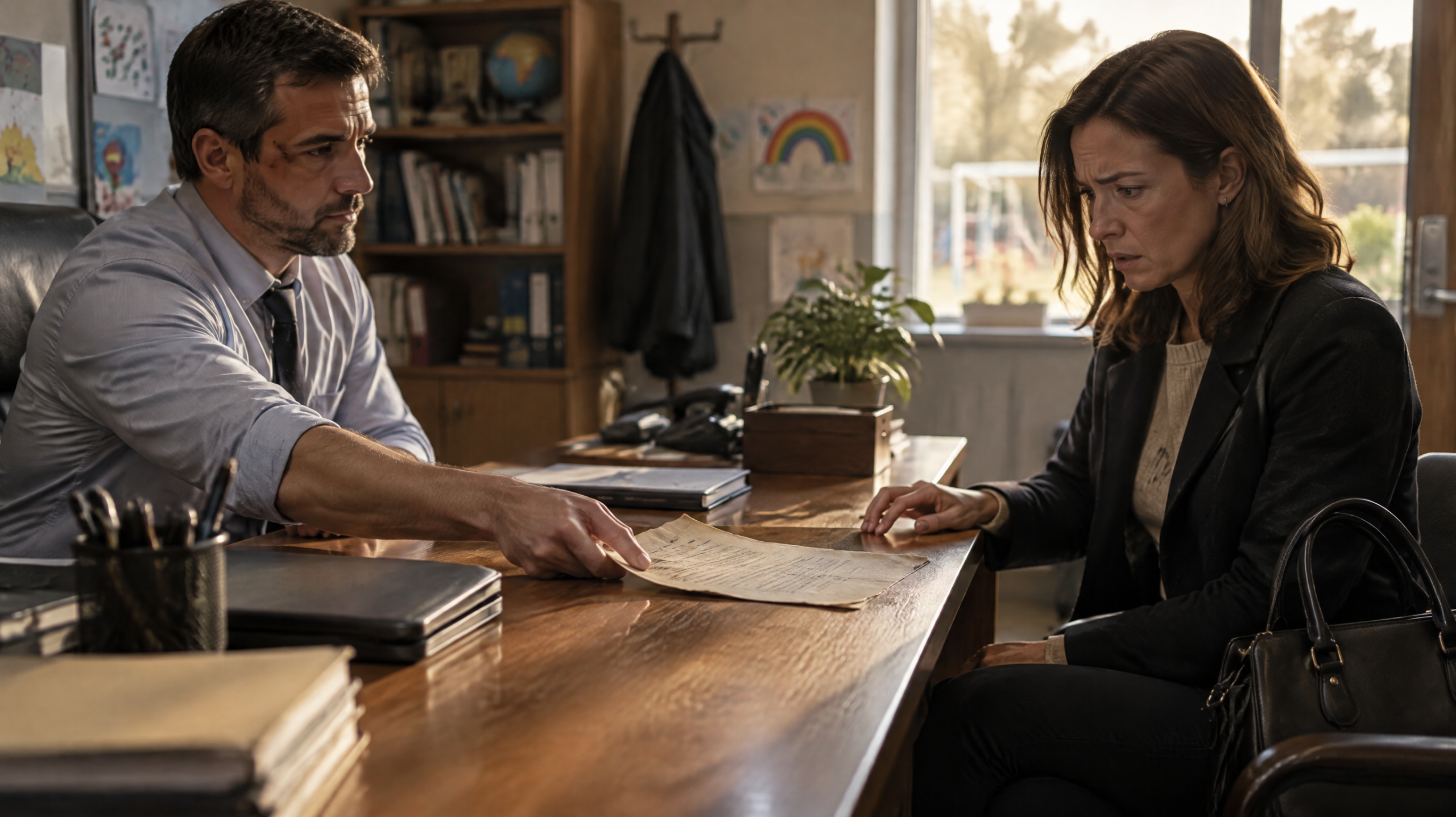
I looked down at the folder while I was dabbing, and the top sheet was printed, not handwritten, with a heading set across it in bold: Branch Rationalisation Schedule: Bramwell & Sons.
I stopped dabbing.
The man eased the sheet out by a dry corner, looked at it, and laid it on the table in front of me.
“That one’s finished,” he said. “You can have it.”
“I can’t take your…”
“It’s a cup of coffee. It isn’t the end of the world.” He shut the folder on the rest of the pages and put it in his bag. At the next stop he stood, buttoned his coat over the stain without trying to hide it, and got off. He didn’t look back.
The sheet stayed where he left it, brown at the edges, the letters going soft. I folded it in half without reading the rest and put it in my bag, because I was late for a meeting I was meant to run and my hands had started to shake.
The next morning Rosalind Bramwell had us back in the boardroom on the fourth floor.
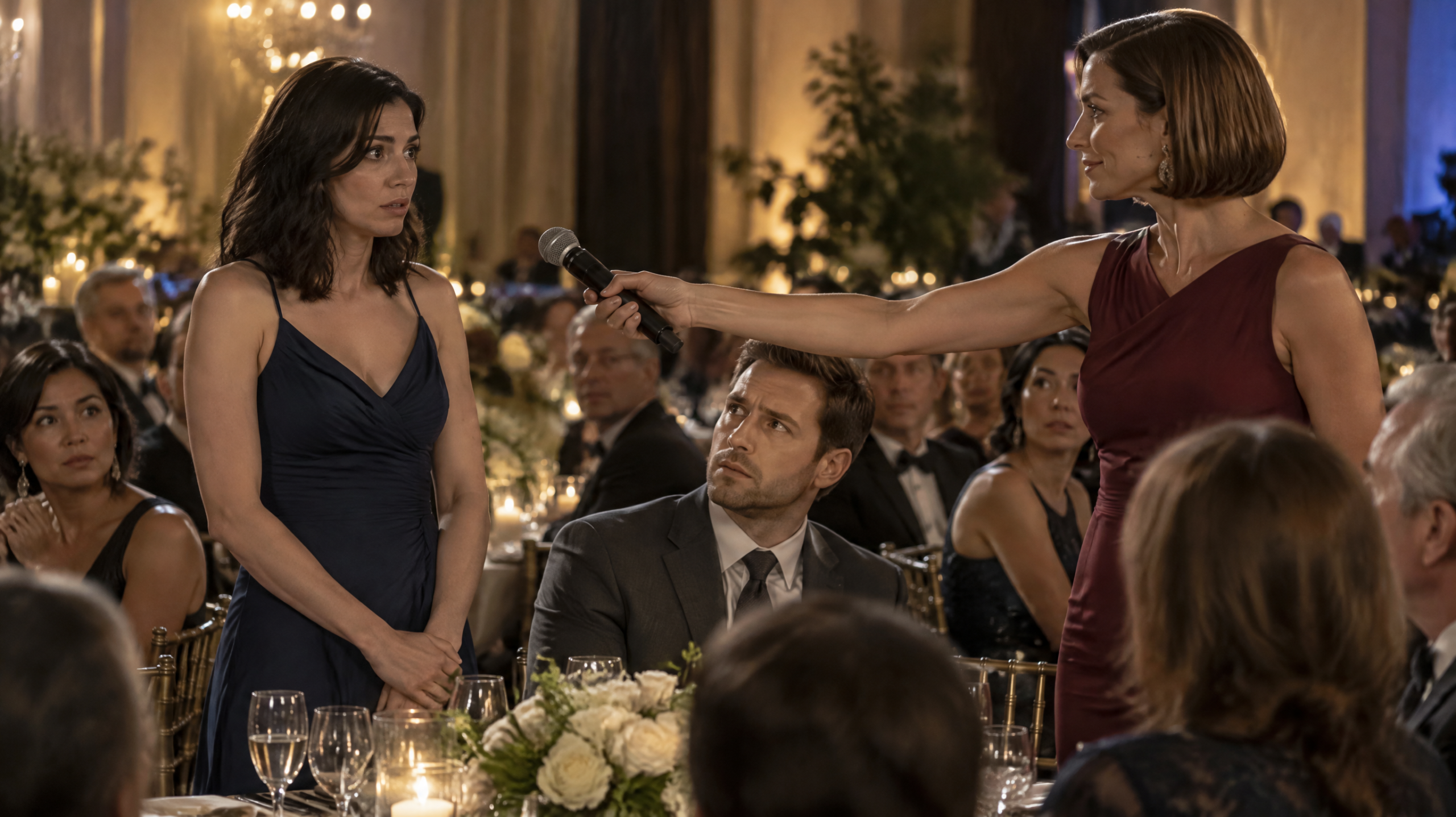
She stood at the head of the table with her hands flat on the wood and said the trust had finished its search. Eleven branches, two hundred and forty people, and a business that needed somebody from outside to take it forward. Modernise was the word she used. Then she said, “I’d like you all to meet Gideon Marsh, our new chief executive.”
He came in from the corridor and I put my pen down.
It was the walk first. That unhurried way of a man who expects doors to open. He had a different coat on, navy, and he had shaved closer, but it was him. He went round the table shaking hands, and when he reached me he said, “Priya Raman. Regional operations,” and moved on.
Nothing in his face. Not a flicker, not a half-second pause, not the small tightening people do when they decide to be polite about an embarrassment.
I sat there with my mouth dry and thought, he doesn’t remember. Then I thought, he remembers, and he has decided not to.
Either way I said nothing. I could have said, we were on the 7:40 together, I ruined your coat, what is a rationalisation schedule. Instead I picked my pen up and wrote the date in the corner of my pad.
“Priya.” He was at the far end of the table now. “You run the northern branches.”
“I do.”
“Then I want your region’s branch review in front of the board on Friday. Not the summary you give the managers. The full picture. Footfall, takings, lease terms, staffing cost, the lot.” He smiled round the room. “I’d like to see what eleven years of knowledge looks like.”
A few of them laughed quietly. I wrote Friday on my pad and underlined it.
He caught me at the lifts.
I had my bag on my shoulder and my thumb on the button, and he came round the corner with the new folder under his arm and stood beside me as though we were two people who had never met.