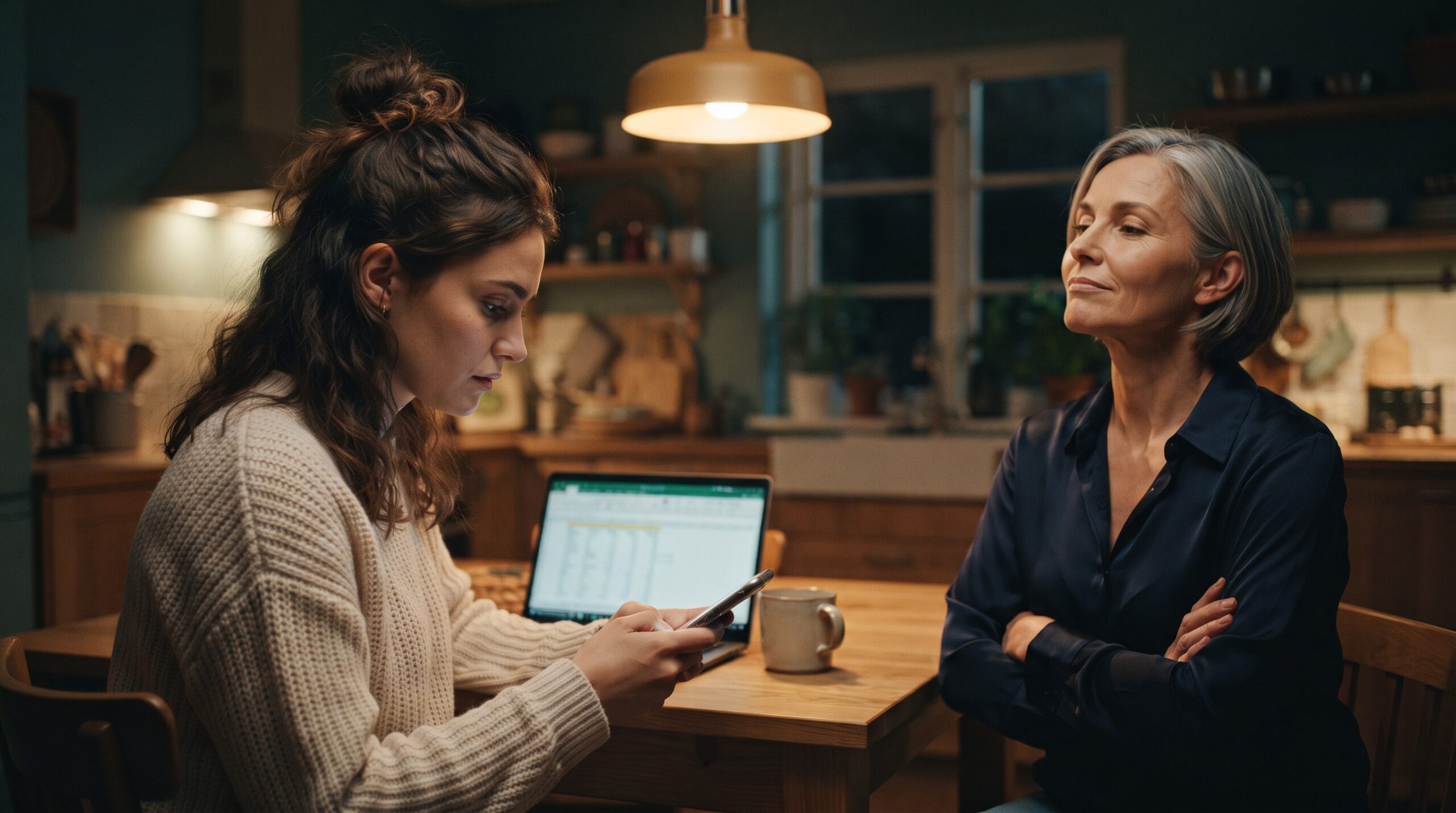
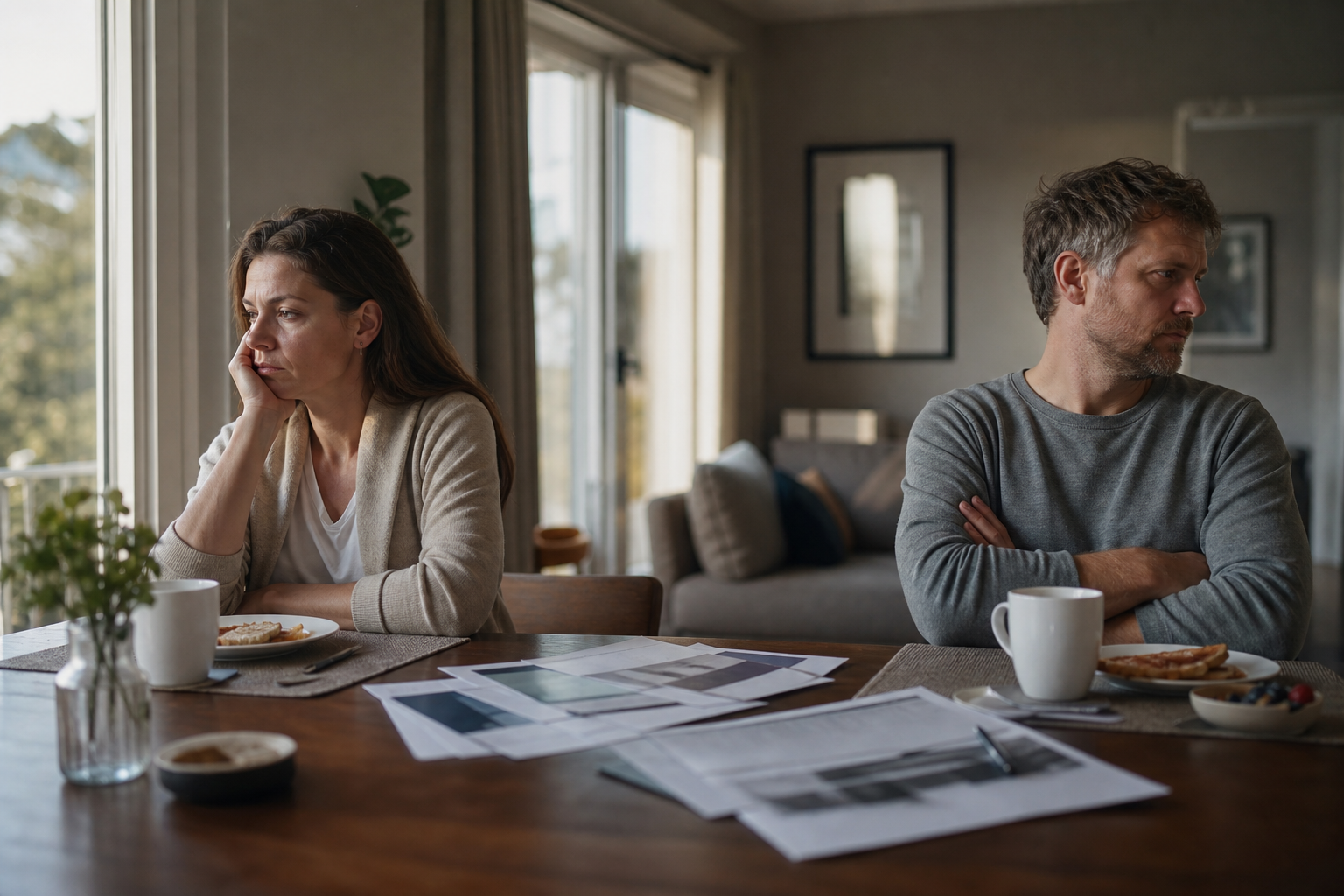
The brochure for couples counseling sat between us on the dining table for three days before my husband finally touched it. I had picked it up after our third week of speaking in careful logistics instead of normal sentences. We were not screaming. In some ways, that would have been easier. We were living in the exhausted politeness that settles over a marriage once both people know something is rotting but only one still thinks it might be salvageable. I remember watching him flip the brochure over with two fingers like it was a takeout menu he had no intention of ordering from.
Aaron and I had been together eleven years, married for seven. For most of that time, I believed our imbalance was temporary. My bakery business was the unstable dream in the early years, so I carried the risk and the weird hours while he carried the dependable salary. Then the business succeeded. It became a storefront, then a second location, then wedding contracts, corporate dessert tables, holiday preorders, payroll, refrigeration repairs, supplier negotiations, and a life I had built mostly on four hours of sleep and butter under my fingernails. Aaron kept saying he was proud of me, but pride delivered from a distance eventually starts sounding like narration instead of partnership.
The loneliness did not arrive all at once. It accumulated. He stopped coming by the shop except for social-media-worthy moments. He forgot tasting dates with clients. He called my busiest weeks ‘your little crazy seasons’ in a tone that managed to shrink both my labor and my revenue at the same time. When I confronted him, he said I cared more about cakes than marriage, which was a clever line considering cakes were paying half our mortgage. Still, I believed in repair because women who build things professionally tend to over-apply that instinct at home.
When I asked him to try counseling, he leaned back in his chair and gave me the most honest sentence of our final year: ‘Counseling is for people who still want each other.’ It took a second to land because I had prepared for excuses, not clarity. Then he followed it with a quieter sentence that somehow hurt more: he said he had been unhappy for a long time and did not think talking about it in front of a stranger would change anything. I asked whether there was someone else. He said no. To this day, I am not sure whether that part was true, but by then fidelity felt almost secondary to the cold administrative tone he had adopted toward our life.
A week later, he asked for half my business. Not half our shared savings. Not a fair untangling of overlapping household contributions. Half the bakery. The bakery I started before we were married, the bakery he referred to as stressful whenever I needed help, the bakery he had never once opened alone at five in the morning to frost two hundred cupcakes because an employee called in sick. He said his years of emotional support, household compromise, and occasional unpaid help made it a marital asset in spirit if not in origin. I just stared at him. Nothing reveals a dead marriage faster than hearing someone price the thing they once called your dream.
What followed was six months of accountants, attorneys, performative sadness from mutual friends, and at least three people asking whether we could not simply be more graceful with each other. Grace is a lovely request people make when the cost will be paid by someone else. Aaron wanted an easy settlement and a clean narrative where he had supported an ambitious wife only to be abandoned by her workaholism. Unfortunately for him, documentation is one of the few love languages that still protects women after romance expires. I had incorporation dates, investment records, lease history, tax filings, payroll reports, and years of messages in which he explicitly described the bakery as ‘yours’ whenever it was inconvenient and ‘ours’ whenever money was being discussed.
He did not get half. He got exactly what the law and paperwork justified, which was far less than he had imagined and more than I enjoyed conceding. On the day we signed, he looked genuinely wounded, as if being denied access to the business was a deeper betrayal than leaving the marriage had been. Maybe that is what shocked me most in the end: not that he stopped loving me, but that he still expected to profit from the version of me he had stopped choosing.
The bakery is still open. We added a third location this spring. Sometimes customers ask how I manage to make wedding cakes after a divorce, and I tell them the truth in its smallest acceptable form: I like making beautiful things even when I no longer believe beauty guarantees permanence. Marriage taught me intimacy can cool quietly. Divorce taught me paperwork remembers what affection conveniently forgets. And whenever I think about that counseling brochure, I no longer hear rejection first. I hear a warning I was lucky enough to understand before I signed away more than a husband.