Celia crossed out the reading I had chosen before I finished explaining it.
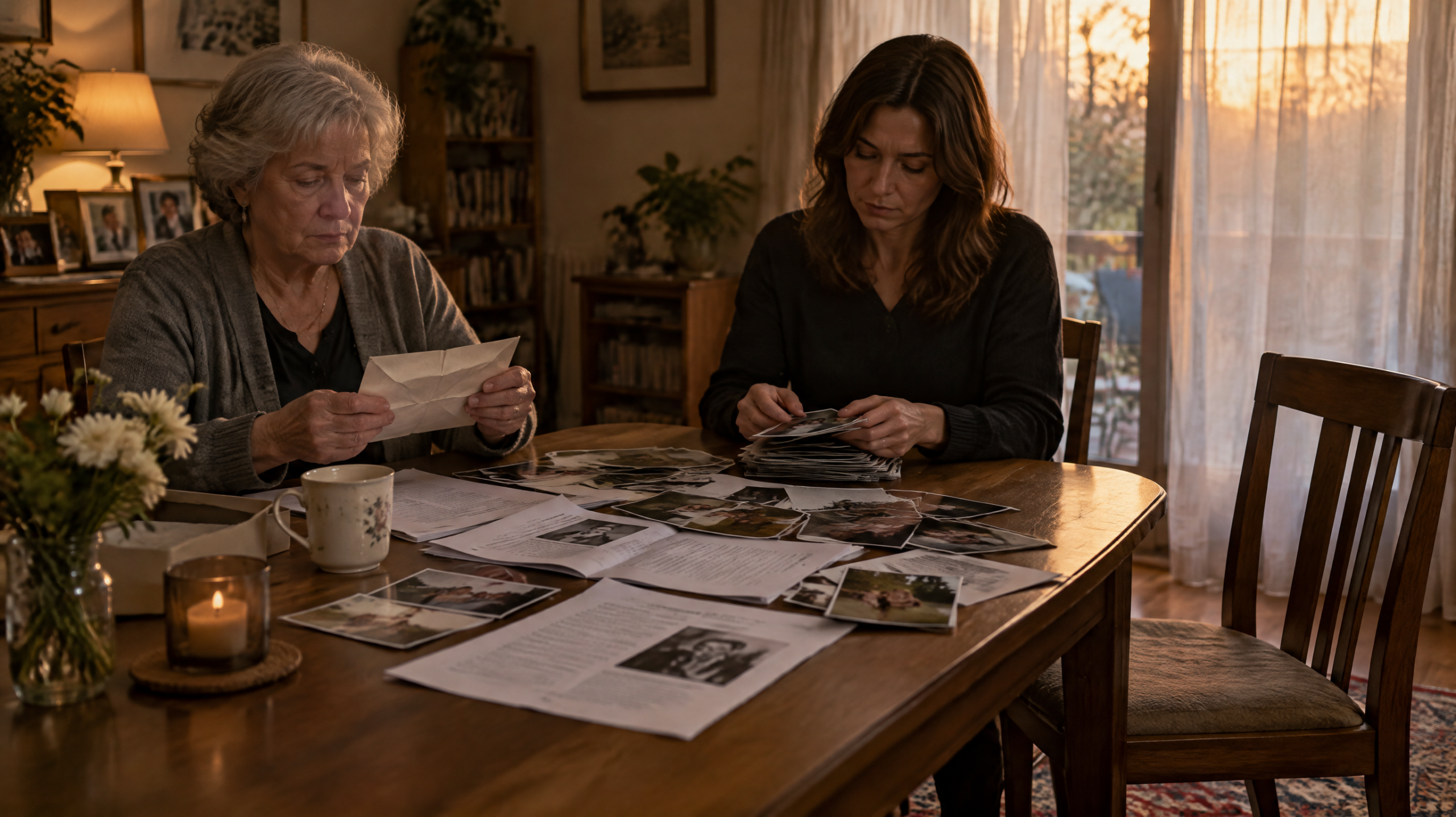
“Not that one,” she said, pressing her pen against the memorial worksheet on my kitchen table. “People will think it means something.”
“It does mean something. That’s why I chose it.”
It was about leaving a person in peace. Nothing about a perfect marriage or being reunited someday. Martin and I had separated after years of him making ordinary meals and car journeys unbearable with his corrections, his insults, his careful explanations of what was wrong with me. We had never divorced. Now I was choosing words for his memorial, and I wasn’t willing to lie.
Celia put the pen down.
“Then you certainly wouldn’t have wanted his letter.”
I moved my mug away from the papers. “What letter?”
“He wrote to you. At the end.” She rubbed at the mark her pen had left on her finger. “I read it. Then I shredded it.”
For a moment I looked at the kitchen shredder beside my desk, as though it could tell me whether she meant mine.
“You opened a letter addressed to me?”
“I wasn’t going to let him do that to you again.”
I had been in rehabilitation while Martin was in hospice. Celia had agreed to pass along updates. I had refused visits, but I hadn’t stopped wondering whether I wanted one last conversation. Some mornings I did. By afternoon I usually remembered why I had left.
On September 12, she had called and told me he had died that morning. After that, there had been nothing left to decide.
“Was there an envelope?” I asked.
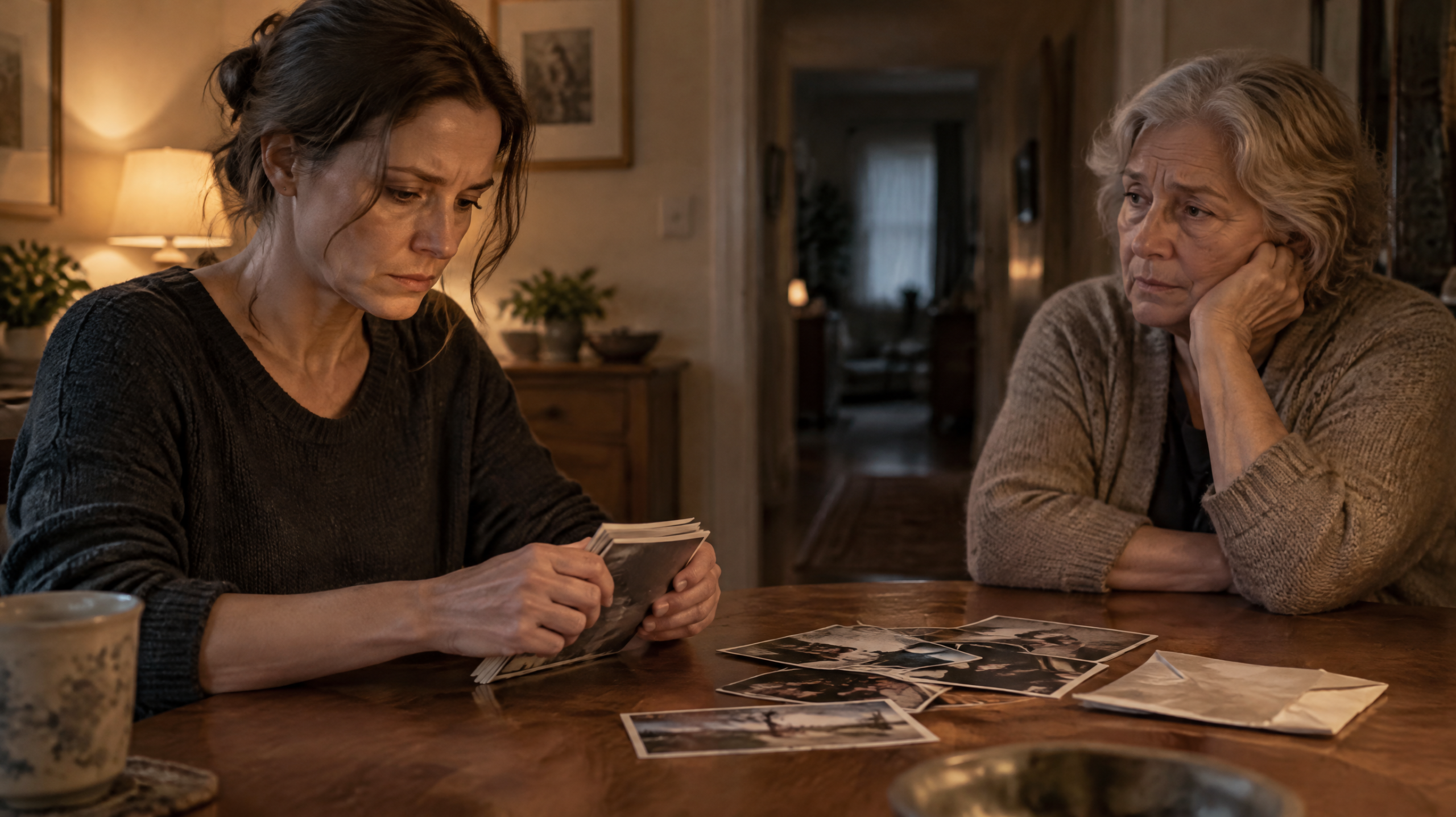
She reached into the folder she had brought with the memorial photographs. An envelope emerged between two pictures. She laid it beside her elbow, away from me.
“Give it to me.”
“Mom, there’s nothing inside.”
“Then you won’t mind.”
She slid it across. I put my hand on it before she could move anything else.
My name was in Martin’s handwriting, the tall first stroke of the R almost touching the line above it. The return address was the hospice. I lifted the flap and looked inside, though she had already told me it was empty.
“It arrived after he died,” Celia said. “It was just blame. You left him. You weren’t there. The usual.”
I wanted to believe her about the contents. That was the part I hated admitting, even to myself. I could supply his accusations without needing a letter. But I had also spent years letting someone explain why I shouldn’t trust my own judgment.
“You could have asked whether I wanted it.”
“You were barely home from rehab.”
“I was recovering. I wasn’t unable to answer a question.”
When I turned the envelope toward the window, the cancellation beside the stamp became clear.
SEP 16.
I read it twice, then set it between us.
“You called me on the twelfth.”
“Yes.”
“This was posted on the sixteenth.”
“Mail gets held up.”
“Before it’s posted?”
“Someone could have found it in his room afterward and sent it. How would I know?” She gathered the photographs into a stack, tapping their edges against the table. “A postmark doesn’t tell you when someone died.”