For a moment neither of us spoke. I could hear a cart rattling in the corridor outside.
Then Clara looked at the event forms in the same packet. “My mother asked me to sign some blank ones last month. She said they were routine scheduling forms for the donors.”
The packet seemed to grow heavier on the bench.
“Did you sign them?”
“Two. Maybe three.” She rubbed the bridge of her nose. “She was rushing me between meetings. I didn’t think they could be used for anything else.”
I wanted to blame Diana immediately. I also wanted Clara to tell me it couldn’t have been her mother. She didn’t do either. She called the museum director, Leena Shah, and asked if she could come by.
Leena met us in her office with the letter laid flat between us. She read it without touching the signature line, then asked Clara if she had submitted a resignation.
“No,” Clara said.
Leena opened the personnel system on her computer and checked Clara’s record. I watched her scroll, then stop.
“It was never filed,” she said. “There’s no resignation in your record.”
Clara’s shoulders lowered a fraction. Leena looked directly at her.
“This attempt won’t cost you your job,” she said. “I’ll document what you brought me, and we’ll handle it through the museum.”
Clara nodded, but she didn’t take the letter back right away. I sat beside her, aware of the blank line waiting for a name neither of us had written. The paper had an answer for what Martin wanted Clara to do. It didn’t yet tell us who had decided her signature belonged there.
Leena asked Clara to leave the packet with her while she documented it. Clara hesitated, then slid the pages across the desk.
“I want a copy,” she said.
“You’ll have one before you leave,” Leena replied.
When we stepped into the corridor, Clara kept her hands empty at her sides. I wanted to take one of them. I didn’t.
The packet was still bothering me. “There was another page behind the letter,” I said.
Clara stopped. “What page?”
“I didn’t see it clearly in Leena’s office.”
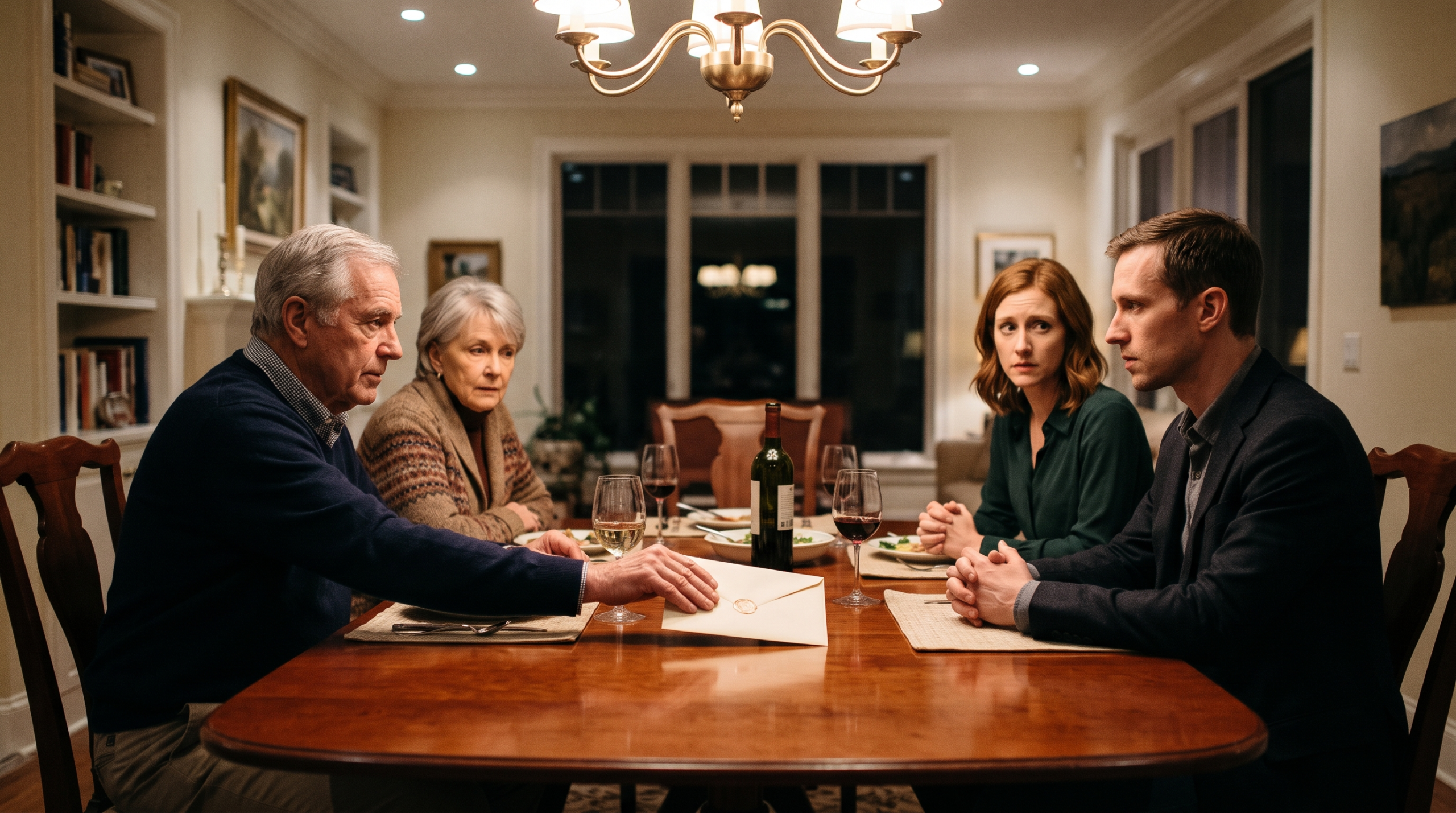
We went back. Leena had set the packet beside her keyboard. I lifted the draft letter and found a folded agreement tucked behind it. It was unsigned, but the payment amount was filled in. So was the condition: I had to end my engagement and keep the offer private.
At the bottom, a clause named the person whose consent the agreement said was required.
Clara Wynn.
I read the line twice. “Why does it say you have to consent?”
Leena leaned over the desk. “That’s a question for whoever drafted it.”
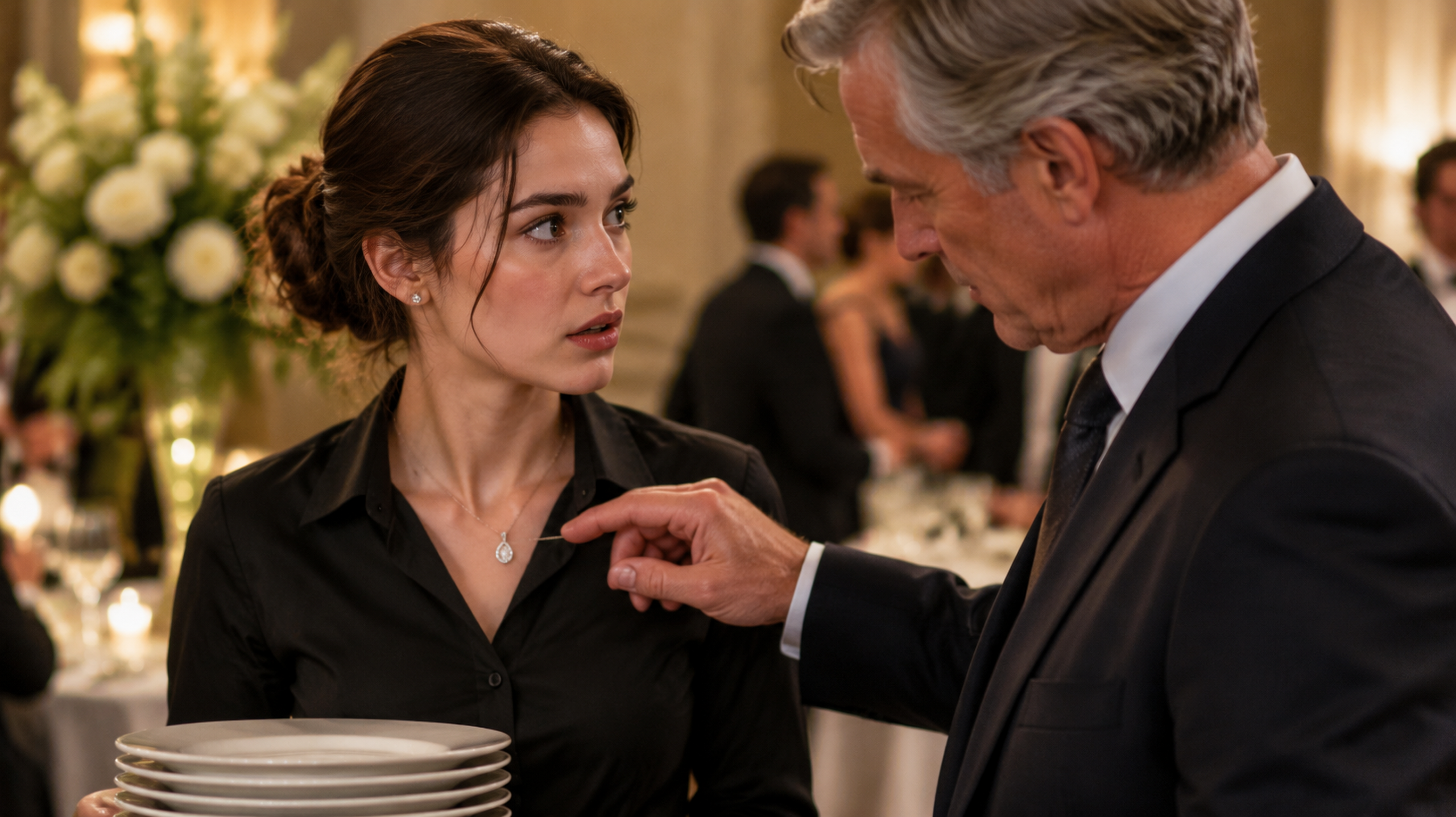
Behind us, a door shut. Martin was waiting in the corridor, his gala badge still clipped to his jacket.
“What are you doing with that?” he asked.
I set the agreement on the desk. “Explaining it.”
His gaze went from the page to Clara. “This is a private family matter.”

“You put my resignation in a gala packet,” Clara said. “You don’t get to call it private.”
Martin reached for the agreement, but Leena pulled it out of his reach.
I tapped the clause. “Why did you write that Clara’s consent was required?”
Martin’s jaw tightened. For a moment, I thought he would deny knowing what I meant. Then he glanced at Leena’s open personnel system and lowered his voice.
“Not here.”
Clara stepped between him and the desk. “You’ve had plenty of chances to say it somewhere else.”
Martin looked at her as if she had interrupted a meeting he expected to control. He didn’t answer. Leena told him the committee would review the packet and asked him to leave her office.
He went. His shoes made a hard sound on the tile until the corridor turned.