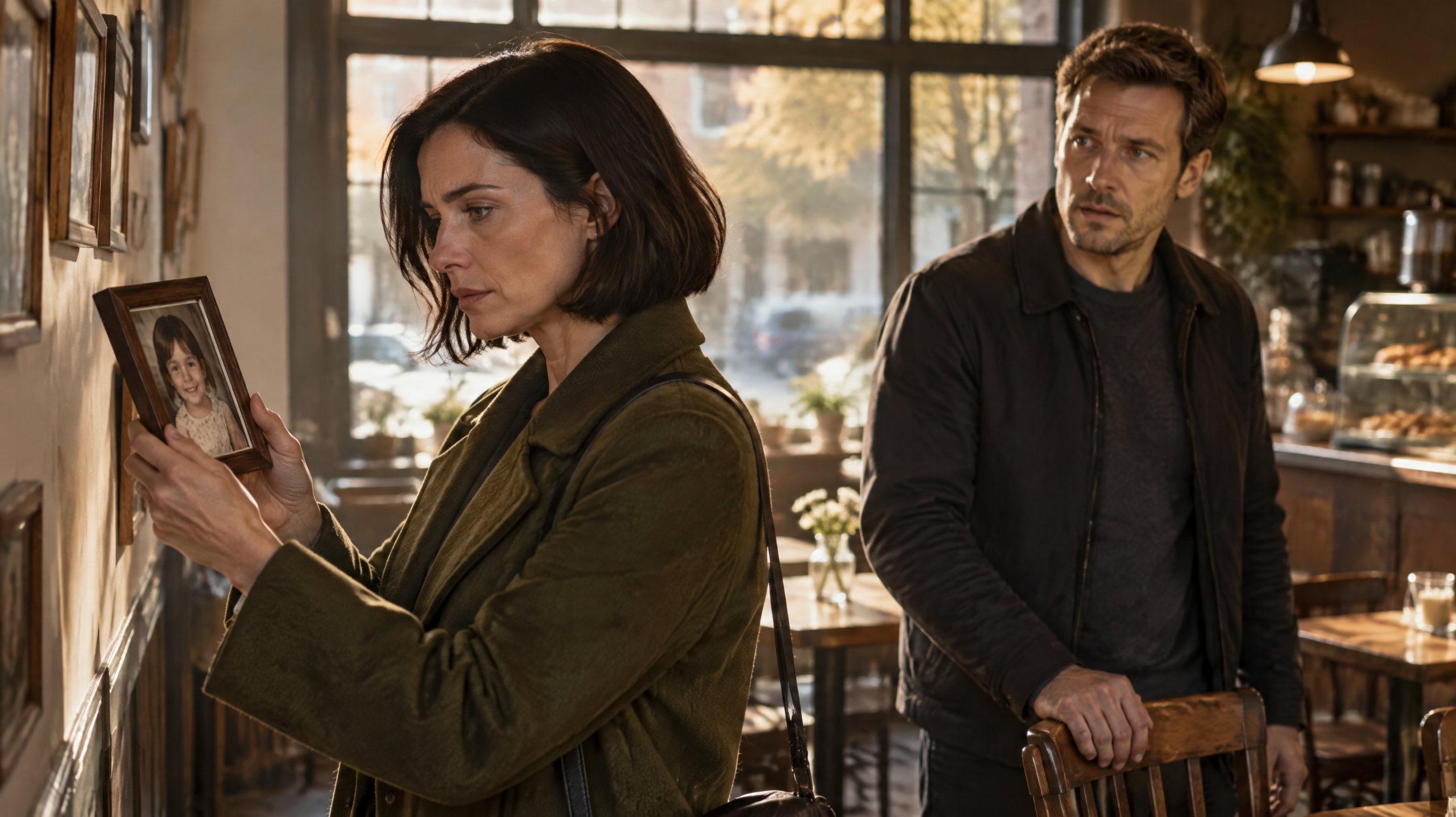

“You don’t understand what my situation was.”
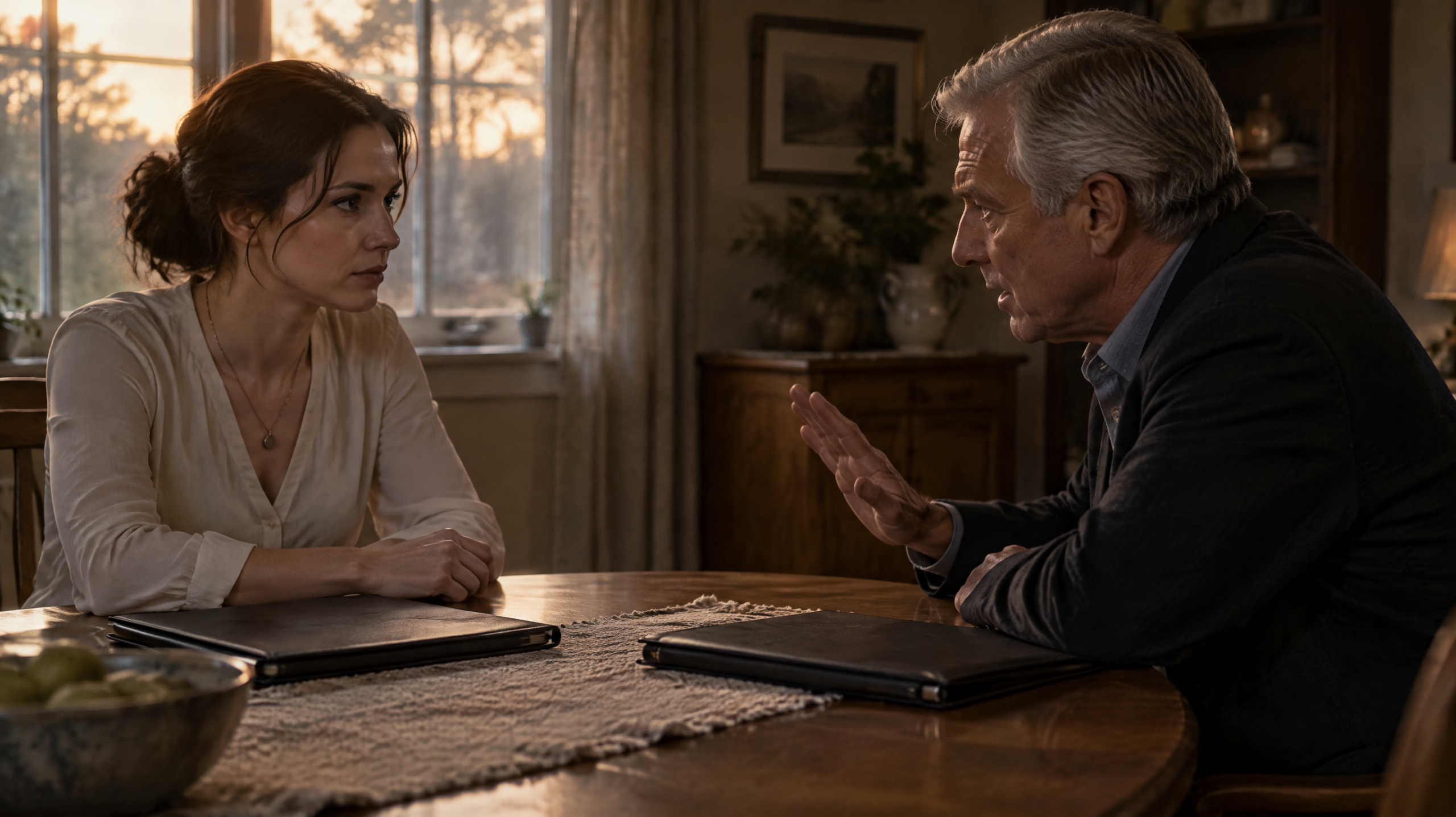
“Then explain it without blaming the agency.”
He rubbed his forehead. “My wife didn’t know about Celia. Or you. Taking you in would have exposed everything.”
“I was six.”
“I know.”
“You had the contact details.”
“Yes.”
There was nowhere left for the other man with his name to stand.
“And the search?” I asked.
He looked down. “I made that up. It was easier than admitting what I’d done.”
“You wanted me on television saying it was true.”
“I wanted a chance to make things right.”
“With people watching.”
He didn’t answer that. Instead, he offered enough money to change my working life. Then he explained that his lawyers would prepare a confidentiality agreement.
For a moment I pictured paying rent without counting shifts. I hate that I considered it, but I did.
“You’re still asking me to keep you safe,” I said.
“I can provide for you now.”
“Correct the story. Publicly. Don’t use my name or my photograph. Tell your board what happened.”
He said the charity would suffer. I told him I wouldn’t sign away the truth to protect its chair. I kept my copies and left.
On the evening of the address, I watched from my flat with the folder beside my laptop. I had refused to send even a childhood photograph.
Graham stood at the lectern I’d seen from the service aisle at the gala.
“After my daughter’s mother died, I was contacted,” he said. “I declined to be considered for her care. I later lied about searching for her. She will not be joining me tonight, and I will not identify her.”
I listened through the rest. He couldn’t turn my silence into forgiveness. He hadn’t been allowed to turn my face into evidence that he’d changed.
Afterward, an email arrived from the board, sent directly to me with his authorization. Following Mr. Graham’s disclosure to the board, he has been removed as chair.
His separate confirmation was brief: The reunion announcement is canceled. Your identity will not be released by me.
I saved both. He had lost the chairmanship and the reunion publicity. He had received no secrecy agreement.
Weeks later, I read revised payment terms slowly, especially the clauses confirming there were no confidentiality or contact obligations. The unconditional restitution cleared into my account before I spent any of it.
I accepted it. I still feel uncomfortable saying that. Money from him couldn’t return a single childhood afternoon, but refusing it wouldn’t return one either.
I paid for vocational training in bookkeeping. Then I wrote to him: I accept this as restitution, not reconciliation. I won’t attend family visits or pursue a father-daughter relationship.
He remained out as chair. I remained out of his family photographs.
On my first morning of training, the necklace caught on my collar. I freed it carefully and opened the pendant. The little swallow was still crooked. My mother had kept it, and then it had stayed with me. I closed it, tucked it under my shirt, and opened my exercise book on the classroom desk.