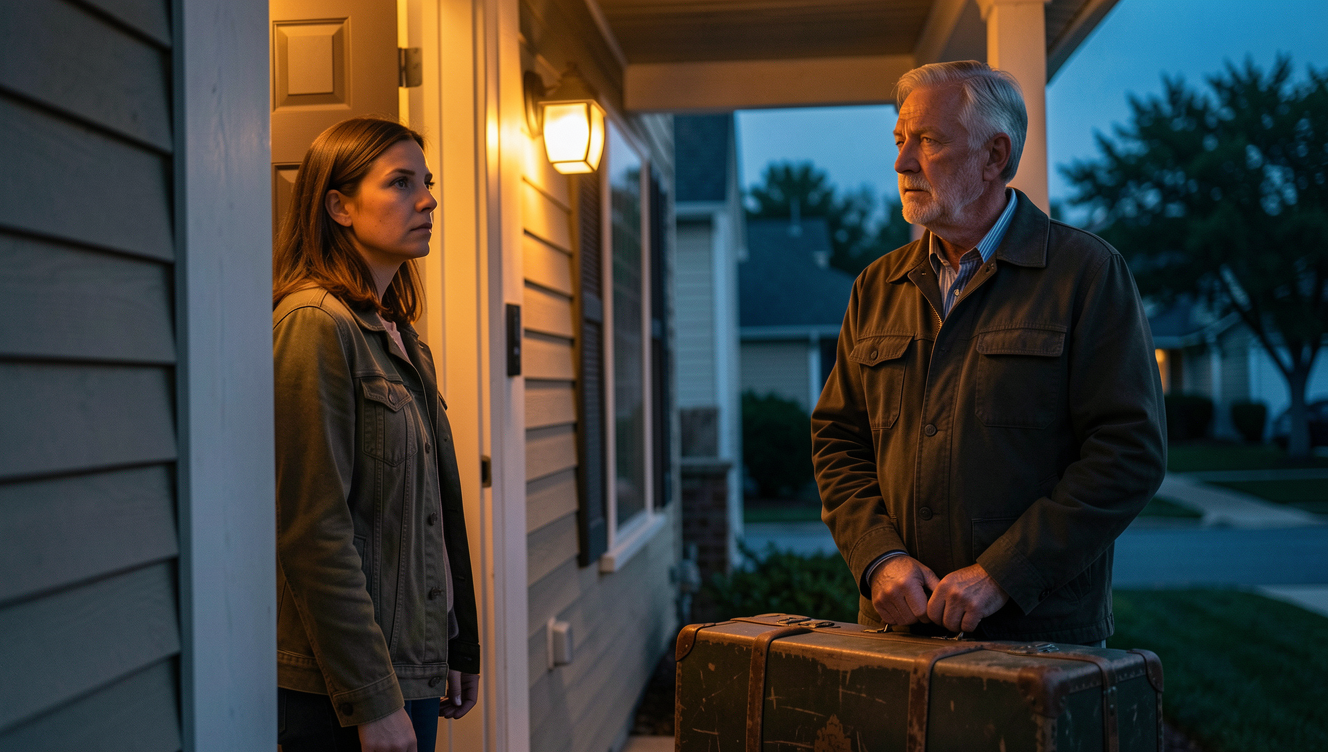
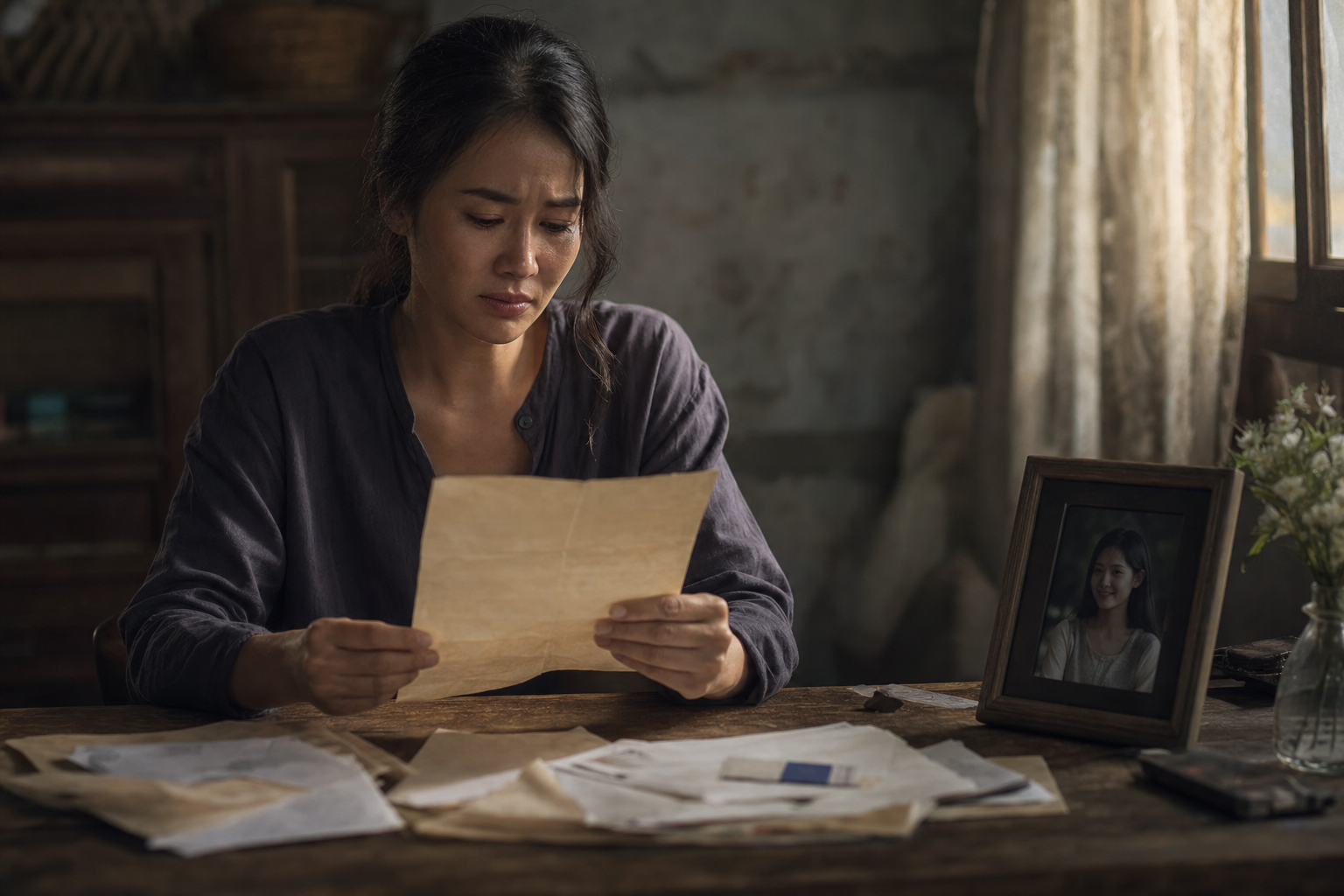
My sister Naomi died in April of my senior year of high school, and our house became the kind of quiet that makes every cabinet door sound disrespectful. People brought casseroles, prayer cards, folded sympathy notes, and all the phrases families are expected to survive on when the worst thing has already happened. I remember almost none of it clearly. What I do remember is the scholarship letter arriving two weeks later with Naomi’s name on it, the seal from her university glinting in my mother’s hand while she sat at the kitchen table looking like her bones had forgotten their job.
Naomi had been brilliant. Not in the lazy family way where everyone calls the oldest child smart because she reads books at dinner, but genuinely brilliant. She had a full scholarship for graduate study in public health, and professors who wrote her notes calling her exceptional. I was the younger sister with decent grades, a part-time grocery job, and no plan strong enough to survive our finances. College for me was always going to involve debt, compromise, and probably dropping out if home needed me. After Naomi died, every future felt both too expensive and too selfish to say out loud.
A month after the funeral, the scholarship office contacted my father. Because the award had already been disbursed and because Naomi died before enrollment began, there were internal funds available for a family hardship review. The email was vague. It mentioned possible reassignment support, memorial consideration, and exceptional circumstances. My father did not understand it, and my mother could barely read anything longer than a grocery receipt without crying. I volunteered to handle the paperwork. That part, even now, sounds noble when I tell it quickly. It was not noble. It was the moment I realized grief had created an opening.
I wrote the appeal myself. I framed it as a continuation of Naomi’s values, a way for her educational opportunity to keep helping our family. I attached my transcripts, my acceptance letter, and a personal statement about loss, resilience, and wanting to honor her memory through service. Most of it was true. What I did not say was that the scholarship had never been intended for me, that I knew the committee might be moved more by tragedy than by merit, and that part of me was counting on exactly that. When the approval came through, my mother fell to her knees in the living room and thanked God for making a path where there had been none. I stood beside her and said amen while knowing perfectly well whose hand had actually pushed the paperwork across the finish line.
That money changed my life. It paid tuition, books, housing deposits, and the part of my dignity that would otherwise have been pawned to loans I could not manage. I graduated. I built a stable career. I sent money home when my father got sick. To any outsider, the story would look redemptive. Tragedy struck, and the surviving daughter made something meaningful from the wreckage. That is the version my family tells at reunions. It is not even entirely false. The problem with partial truth is that it wears the same clothes as innocence from far away.
The guilt arrived in strange moments. When professors praised my determination. When my mother introduced me to church friends as ‘the daughter Naomi is still helping from heaven.’ When I cleaned out an old file box and found Naomi’s original acceptance packet with her notes in the margins about neighborhoods, internships, and a future she had expected to reach. I had not stolen money directly from her hand. She was gone. The institution chose to award it. Every legal fact stayed in my favor. But morality is not a courtroom, and I have spent years arguing with a judge who lives entirely in my own chest.
Last fall, I finally told my parents the whole truth. Not because a scandal forced me to, and not because anyone was about to find out. I told them because my mother repeated the miracle story in front of my daughter, and I suddenly understood how easily a family can turn one person’s strategic silence into holy legend. My father stared at the floor for a long time before saying he suspected I had pushed harder than I ever admitted. My mother cried, but not for the reason I expected. She said she did not care whether I had worked the system. She cared that I had been carrying shame alone because I thought surviving in the wrong emotional tone made me ungrateful.
I am still not sure what to call what I did. Opportunistic. Practical. Dishonest. Necessary. Maybe all four are true. Confessions would be easier if they ended with one clean moral label. Mine does not. I used a dead girl’s scholarship to build the life I now live, and that dead girl was my sister. I loved her. I miss her. And I knew exactly how to make the committee see me through the shape of her absence. If there is mercy in that story, I have not yet decided whether I deserve it or simply learned how to benefit from it.