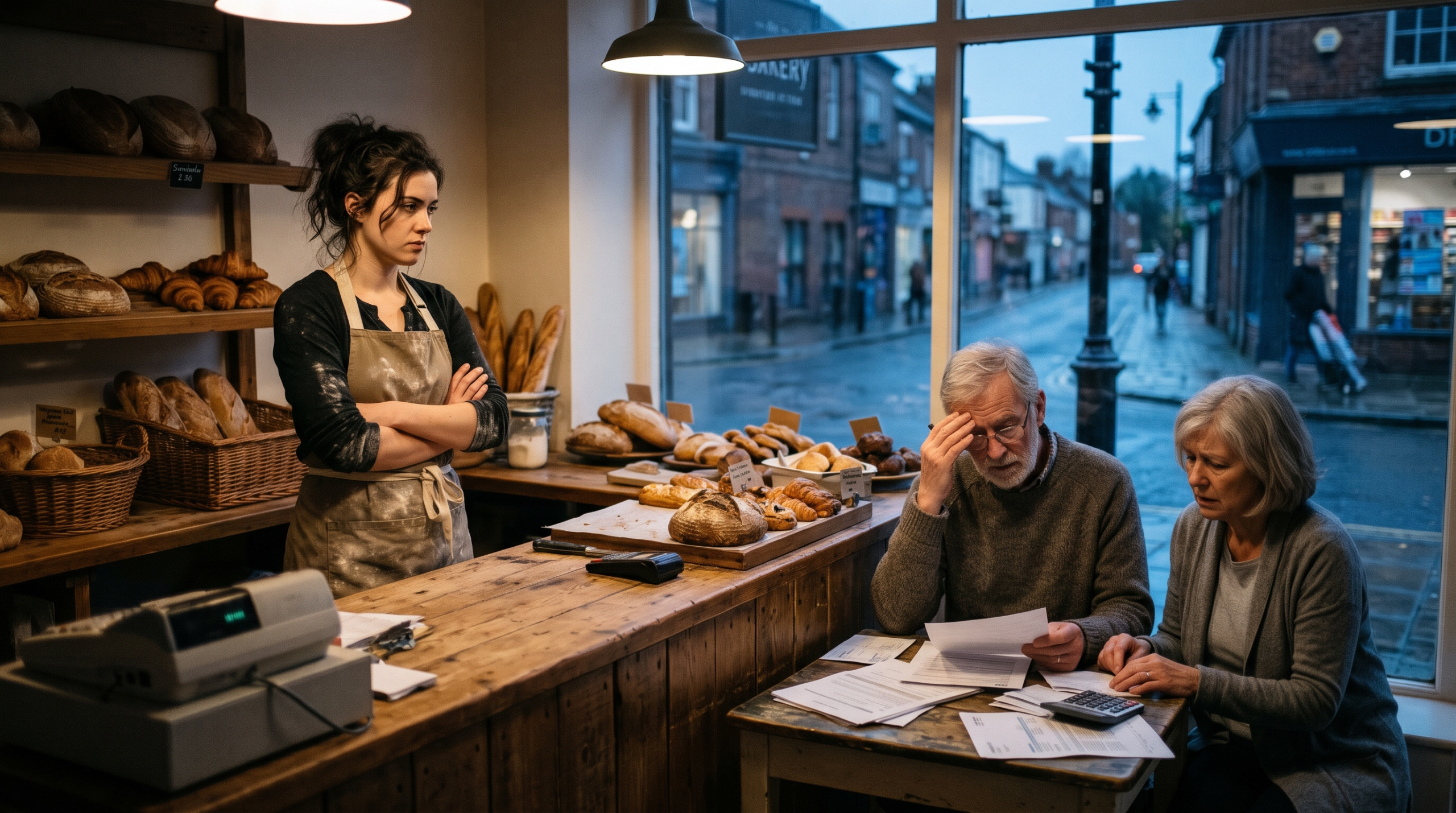
The bell above the bakery door rang at 6:42 on a Tuesday morning, and I knew the sound was wrong before I looked up. Regulars don’t push the door hard enough to make the bell jump. Strangers do. Strangers with something to prove.
I was pulling a tray of cardamom buns off the cooling rack when I saw them. My father in a navy coat he’d owned since I was twelve. My mother behind him, one gloved hand on his sleeve like she was holding him up or holding him back. Ten years, and she still wore her hair exactly the way she had the morning she’d set a duffel bag on the porch and told me to pick it up or leave it.
I set the tray down slowly. My hands were steady. I remember being proud of that.
“Dana,” my father said. His voice cracked on the second syllable.
I didn’t answer. I walked to the register, wiped flour off the counter, and waited.
“We need to talk to you,” he said. “Please. Just a minute.”
“Buy something or leave,” I said. “Those are the options for customers.”
My mother made a small sound, almost a laugh, like she wanted me to think she thought I was joking. I wasn’t.
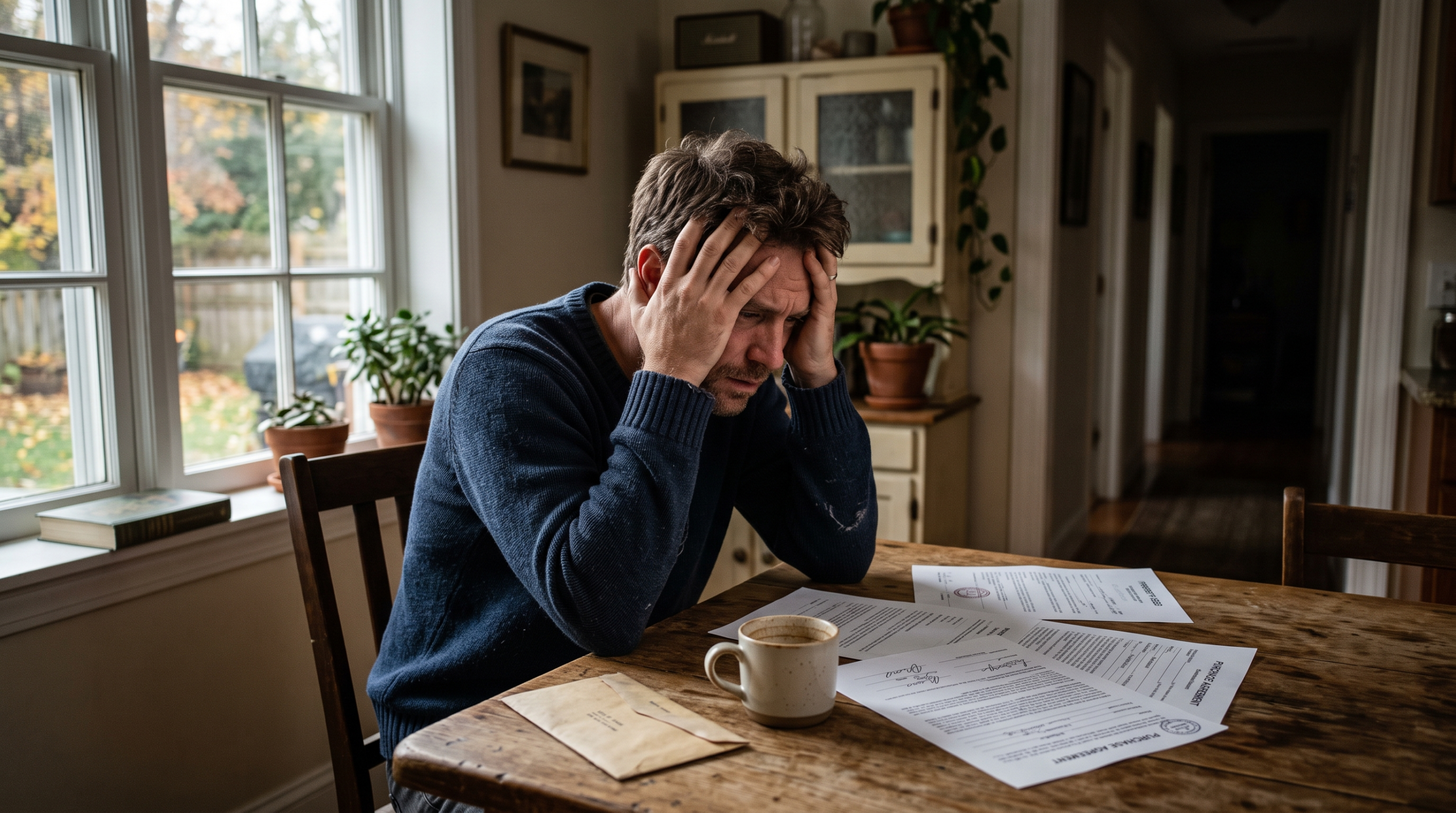
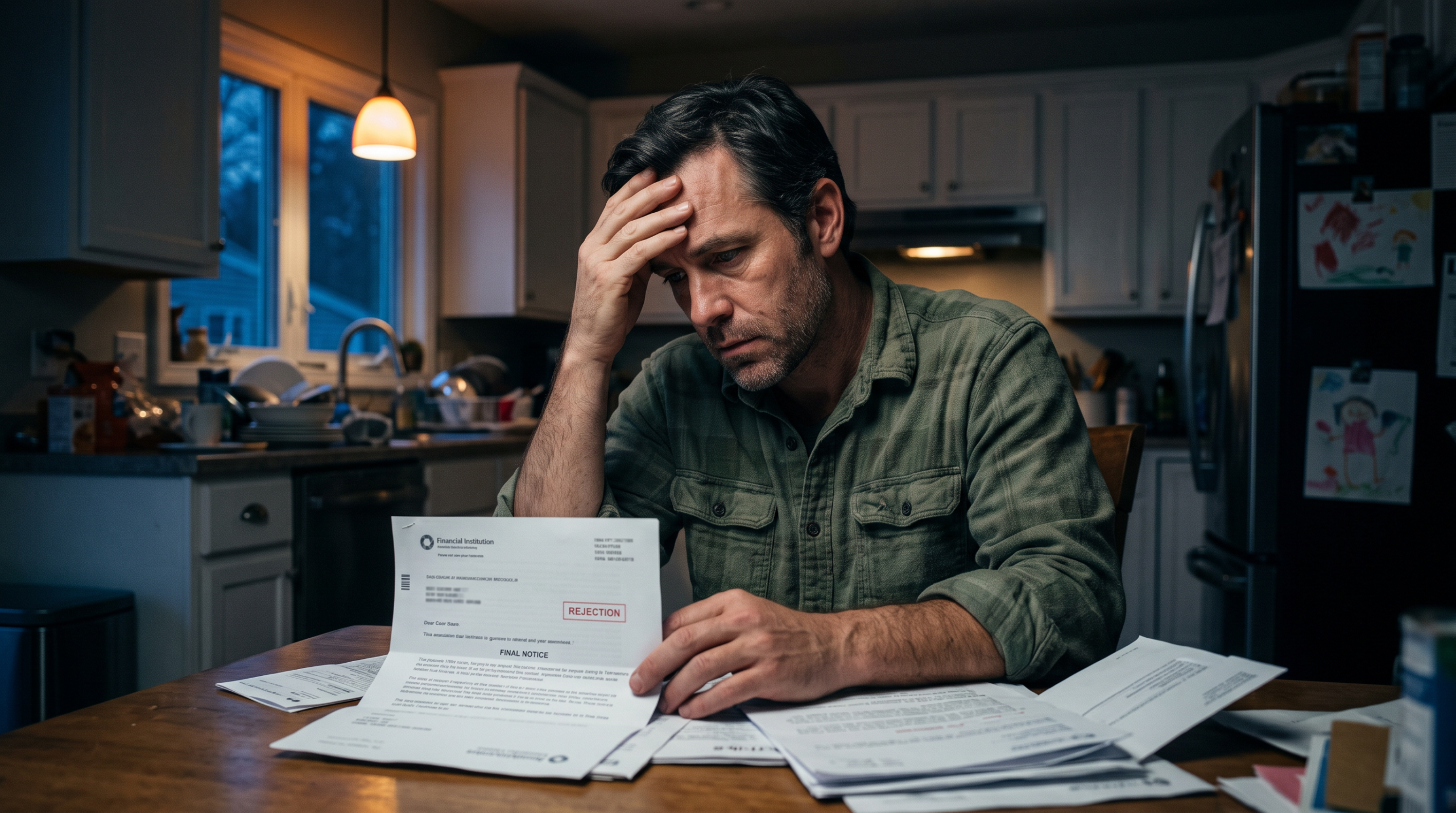
My father pulled a folded paper from his inside pocket and set it on the counter between us. The letterhead was blue. I didn’t need to read it to know what a foreclosure notice looks like. I’d seen one before, taped to the door of the apartment I rented at eighteen, when I was two weeks late and the landlord wanted to make a point.
NOTICE OF DEFAULT AND INTENT TO FORECLOSE. Sixty (60) days from the date above.
“The house,” he said. “Dana, we’re going to lose the house.”
I looked at the paper. Then at him. Then at the clock above the espresso machine, because looking at the clock was easier than looking at either of their faces.
“Why are you telling me?” I said.
He opened his mouth. My mother squeezed his sleeve. He closed it again.
The bell rang. A woman in scrubs came in for her usual drip coffee, and I poured it, and I rang her up, and I said have a good shift, and the whole time my parents stood two feet away like furniture nobody had claimed. When the door shut behind her, my father tried again.
“We didn’t know who else to come to.”
“That,” I said, “is the saddest sentence I have ever heard you say.”
I let them sit at the two-top in the back because I didn’t want them visible from the window. My mother folded her hands. My father folded the notice and unfolded it and folded it again.
“What happened to the house,” I said.
“The market,” he said. “You know how it’s been. Rates went up, and the refinance didn’t come through, and—”
“You own that house free and clear. Grandpa left it to you. There was no mortgage when I lived there.”
He blinked at me like I’d produced a card he hadn’t counted. “Well,” he said. “There is now.”
“Since when.”
“A few years. We took a line against it. For repairs.”
“What repairs.”
“The roof. The furnace. You know how these old houses are.”
I didn’t know how these old houses were, because I hadn’t been inside one in a decade. But I knew my father’s face when he was telling the shape of a truth without the inside of it. His eyes went to the salt shaker.
“How much did you borrow,” I said.
“It doesn’t matter.”
“It does if you want me to help.”
My mother spoke for the first time. “Ninety-two thousand,” she said. “Give or take.”
Ninety-two thousand dollars of repairs on a three-bedroom ranch with original cabinets and a driveway that had cracked the same way since I was eight.
“Show me the statements,” I said.
“Dana—”
“Statements. The equity line. All of it. Or get out of my shop.”
My father looked at my mother. My mother looked at the table.
“We’ll bring them tomorrow,” he said.