
I agreed to one quiet Christmas with my family after a brutal divorce, thinking the worst part would be pretending I was fine. Then my mother opened the front door, kissed my ex-husband on the cheek, and called it a gesture of maturity.
My mother invited my ex-husband to Christmas dinner without telling me, then called me immature when I refused to pass him the gravy.
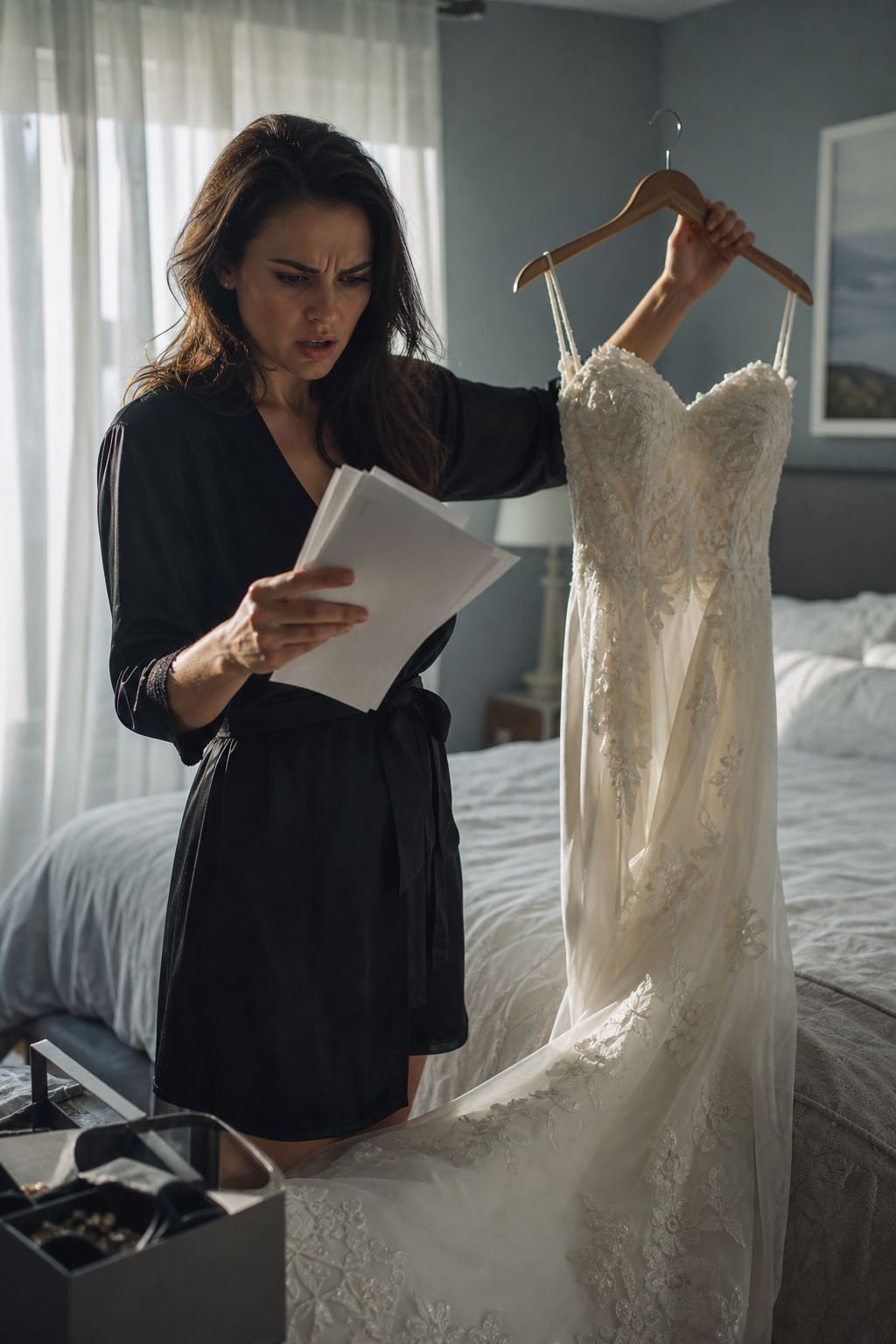
That is the short version. The longer version starts eleven months earlier, with a divorce I did not want but eventually accepted because the alternative was spending the rest of my life asking a man to stop lying with a straight face. My ex, Daniel, had an office romance that he kept describing as a period of confusion, as if adultery were a weather system that had rolled through his character without permission. By the time the papers were signed, I was thirty-seven, living in a townhouse I could barely afford on my own, and trying to co-parent our eight-year-old daughter, Lila, with the kind of calm voice that makes your jaw ache by bedtime.
My mother, Elaine, took the divorce personally in that theatrical way only certain mothers can. Not because she disapproved of Daniel’s affair. That would have been simpler. She took it personally because divorce offended her sense of family presentation. She liked photos where everyone matched, holidays where nobody mentioned resentment before dessert, and phrases like ‘taking the high road’ which usually meant swallowing something she did not want to look at. When the split first happened, she told me marriage was hard and men made mistakes. She said it the way someone comments on seasonal allergies.
I spent most of that year learning how much of my life had been built around keeping other people comfortable. Lila helped. Children have a way of making self-pity feel too heavy to carry for long. She needed lunches packed, math sheets signed, and somebody to explain why Daddy now lived in an apartment with a parking garage and a sofa she said smelled like cologne and sadness. Daniel saw her every other weekend and called often enough to perform involvement. I focused on surviving the weekdays.
By December, all I wanted was one manageable holiday. Nothing magical. Just manageable. My mother insisted we do Christmas Eve at her house, same as always. She said it would be good for Lila to have tradition. She said family should feel stable this year. She said Daniel would have Lila on Christmas morning anyway, so surely I could give the child one normal evening first. I agreed because fighting my mother in advance is like paying interest before the debt is due.
I should have known something was wrong when she asked what pie Daniel liked.
I laughed at first. ‘I don’t know, Mom. Maybe the one served in his mistress’s apartment?’ She did not laugh. She just gave me that long, disappointed look she saves for moments when I fail to become the version of myself she can quote at church. Then she said, ‘You don’t have to make everything ugly.’ That sentence should have sent me straight back to my car. Instead, I made green beans and wrapped Lila’s gift and showed up at five with a smile so tight it almost qualified as a medical condition.
The house looked exactly as it had every Christmas of my life: candle in the front window, gold ribbon on the banister, fake snow on the mantel because my mother finds anything less than gentle absurdity under-decorated. My brother and his wife were already there. My aunt was setting out deviled eggs. Lila ran inside with a shriek because my cousin had brought the fluffy dog she thinks counts as a family member. For ten whole minutes, it almost felt survivable.
Then the doorbell rang.
My mother smoothed her cardigan and said, far too casually, ‘That will be Daniel.’
I actually thought she meant he was picking Lila up early.
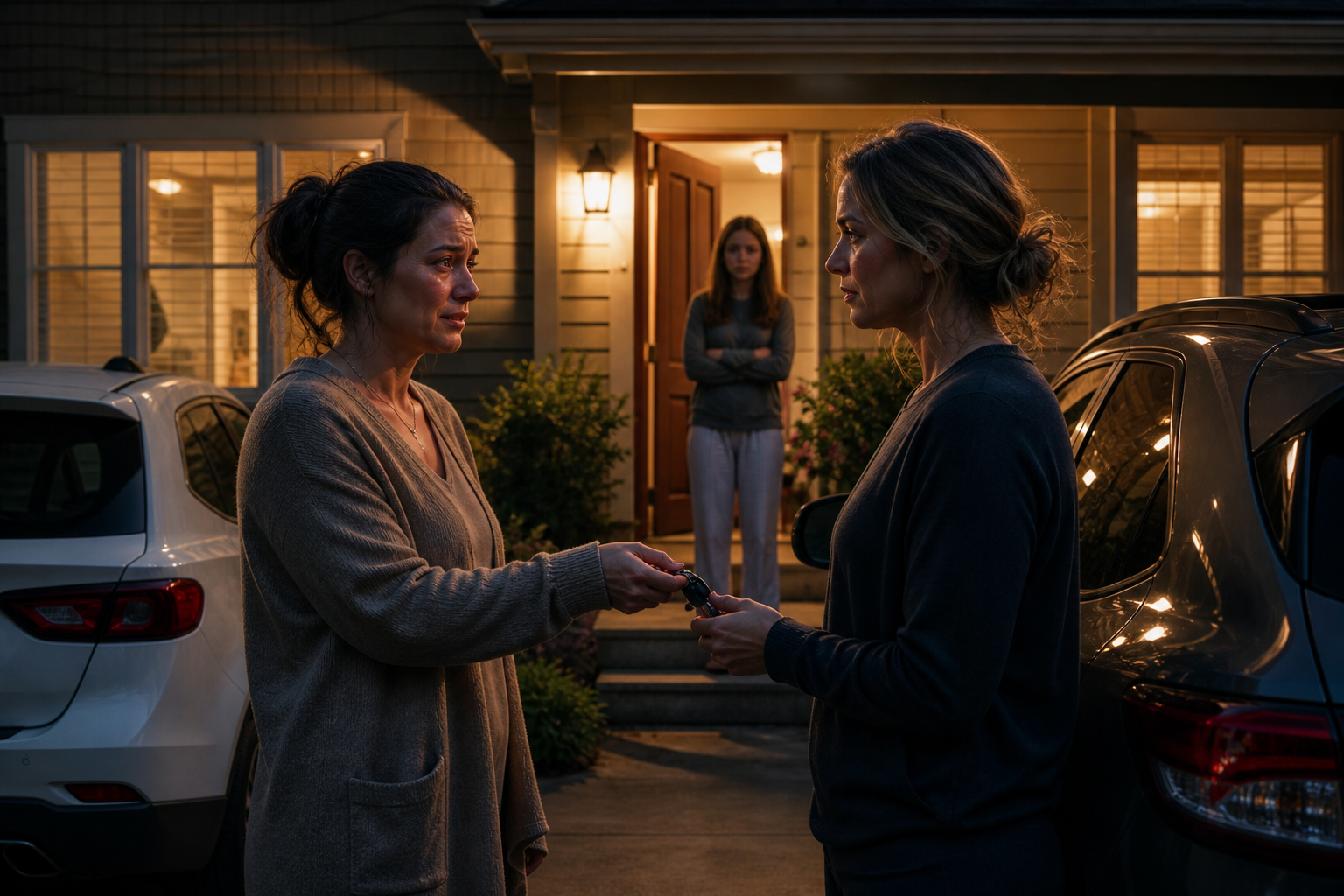
He wasn’t. He was carrying a bottle of wine and wearing the navy sweater I bought him years ago when I still believed tastefulness could save a marriage. My mother opened the door, kissed his cheek, and said, ‘Merry Christmas, sweetheart.’ Sweetheart. Not in a flirtatious way. In a way somehow worse: proprietary. Like she had adopted him as the well-behaved child and was waiting for me to notice.
I asked why he was there. My mother said, ‘Because Lila deserves to see adults behaving with maturity.’ Daniel had the decency to look uncomfortable, which only made me angrier. If he had swaggered in, at least the villainy would have had posture. Instead he stood in the hallway pretending this ambush had happened to him too.
I told my mother she had no right to invite him without asking me. She lowered her voice and said I was making a scene in front of Lila. That is the oldest trick in certain families: commit the offense publicly, then blame the injured person for noticing out loud. My brother looked at the floor. His wife found something urgent to do with napkins. No one wanted to rescue me from the woman who had arranged the whole performance.
For Lila’s sake, I sat down. That is the sentence I hate most in stories like this, but it is usually the true one. Mothers stay in rooms they should leave because children are watching, and because years of social conditioning have convinced us that enduring humiliation quietly is somehow noble if there are ornaments nearby.
Dinner was unbearable in the subtle ways that hurt most. My mother asked Daniel about work. My aunt remarked that co-parenting looked easier than people made it sound. Daniel complimented the ham. Lila, sweet impossible child that she is, kept reaching for both of us whenever she got excited about anything, unknowingly stitching together the picture my mother wanted so badly to frame. Every laugh sounded borrowed. Every silence felt assigned to me.
Then my mother made the mistake that saved me.
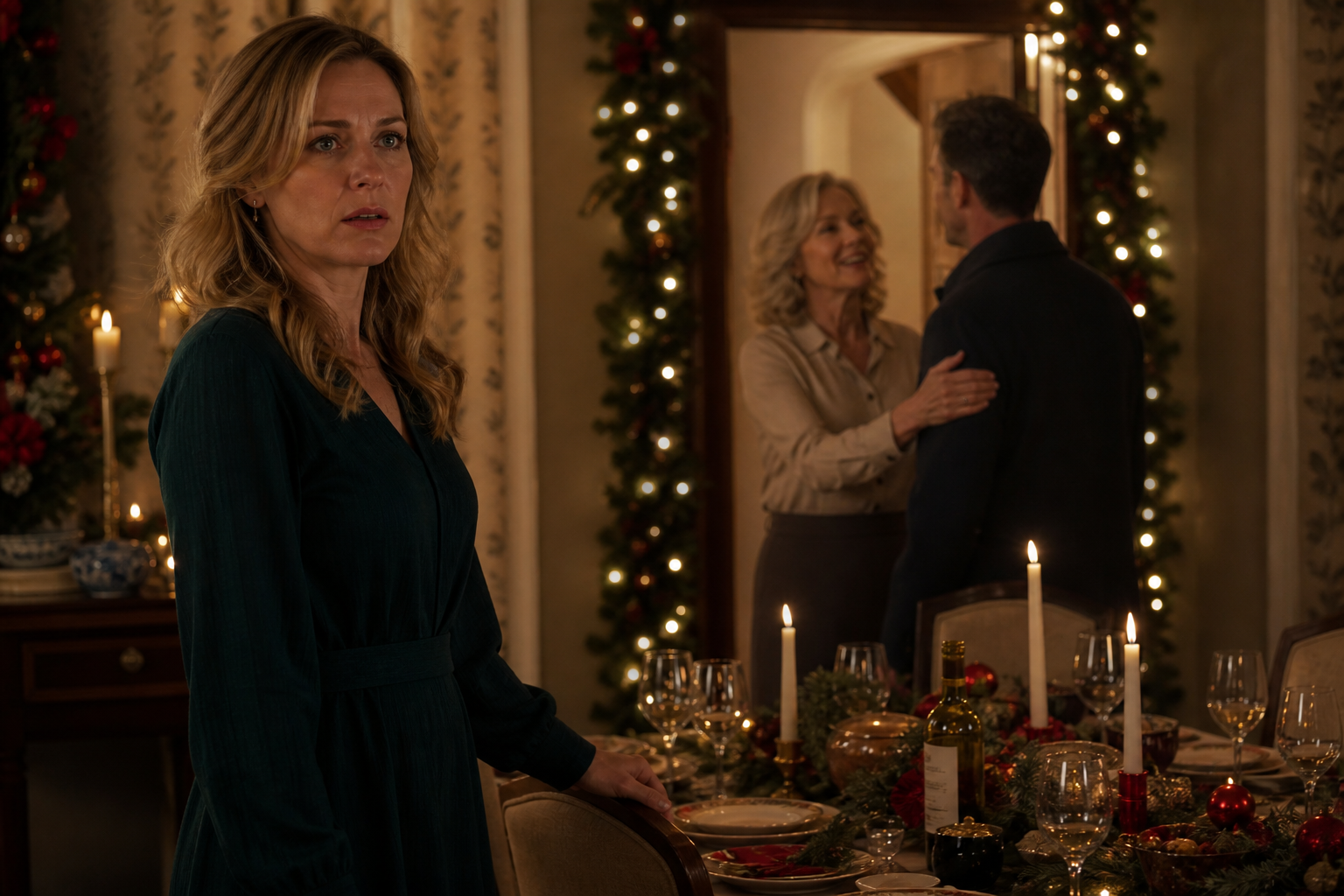
She raised her glass and said, ‘To family. Even when things don’t go according to plan, the mature ones know how to keep the circle unbroken.’ She looked directly at me on the word mature. The table went still.
I put my fork down. ‘Is that what this is?’ I asked. ‘A lesson?’ My mother sighed, already exhausted by my failure to appreciate her genius. Daniel muttered my name in warning, which only sharpened everything in me. I looked at him and asked whether he had known I was not told. He opened his mouth, closed it, then admitted, ‘Your mom said it would be easier if you came in calm.’
There it was. Not just manipulation, but strategy. They had coordinated my surprise like I was a difficult witness who needed managing.
Lila asked, very quietly, ‘Mom?’ I stood up so fast my chair scraped the hardwood. I remember the dog barking. I remember my aunt whispering my mother’s name like she had finally realized a line existed. I told Daniel to get his coat. I told my mother if she ever used my child as a stage prop for her fantasy of civility again, she could watch the next holiday through photos other people posted online. My mother said I was embarrassing her. I said, ‘Good. Maybe now we’re both in the right room.’
Daniel left first, because cowardice has survival instincts. My mother tried to follow me into the hall with a speech about bitterness, but my brother stopped her with one hand on her elbow and said, for the first time in maybe his whole life, ‘Mom, enough.’ I almost could have forgiven the whole year just for hearing someone else say it.
Lila and I went home and ate boxed macaroni in our pajamas while watching a cartoon neither of us really followed. At bedtime she asked whether Grandma was mad. I said yes. Then she asked whether I had been bad. That question hurt more than the ambush. I told her no. I told her sometimes grown-ups call a woman rude when she refuses to pretend a bad thing did not happen. She nodded like she understood more than I wanted her to.
My mother did not speak to me for nine days. Then she sent a long message about forgiveness, grace, and my responsibility to model emotional balance for Lila. I responded with one sentence: ‘Balance is not letting other people arrange my humiliation so the table looks full.’ She has never admitted she was wrong, but she has not surprised me with Daniel again.
The strangest part is that Daniel later apologized more sincerely than my mother ever did. He said he should have turned around when he realized I had been excluded from the decision. He was right. He just figured it out too late, the way he figured out most things that mattered.
Now when people talk about taking the high road, I ask a quieter question inside my own head: high for whom? Because in my family, the high road was usually a scenic route leading straight back to silence. That Christmas, I finally chose the rude little path that led home. Lila and I slept late the next morning in our mismatched pajamas, and for the first time in months I did not mistake peace for whatever other people could stage around a table.