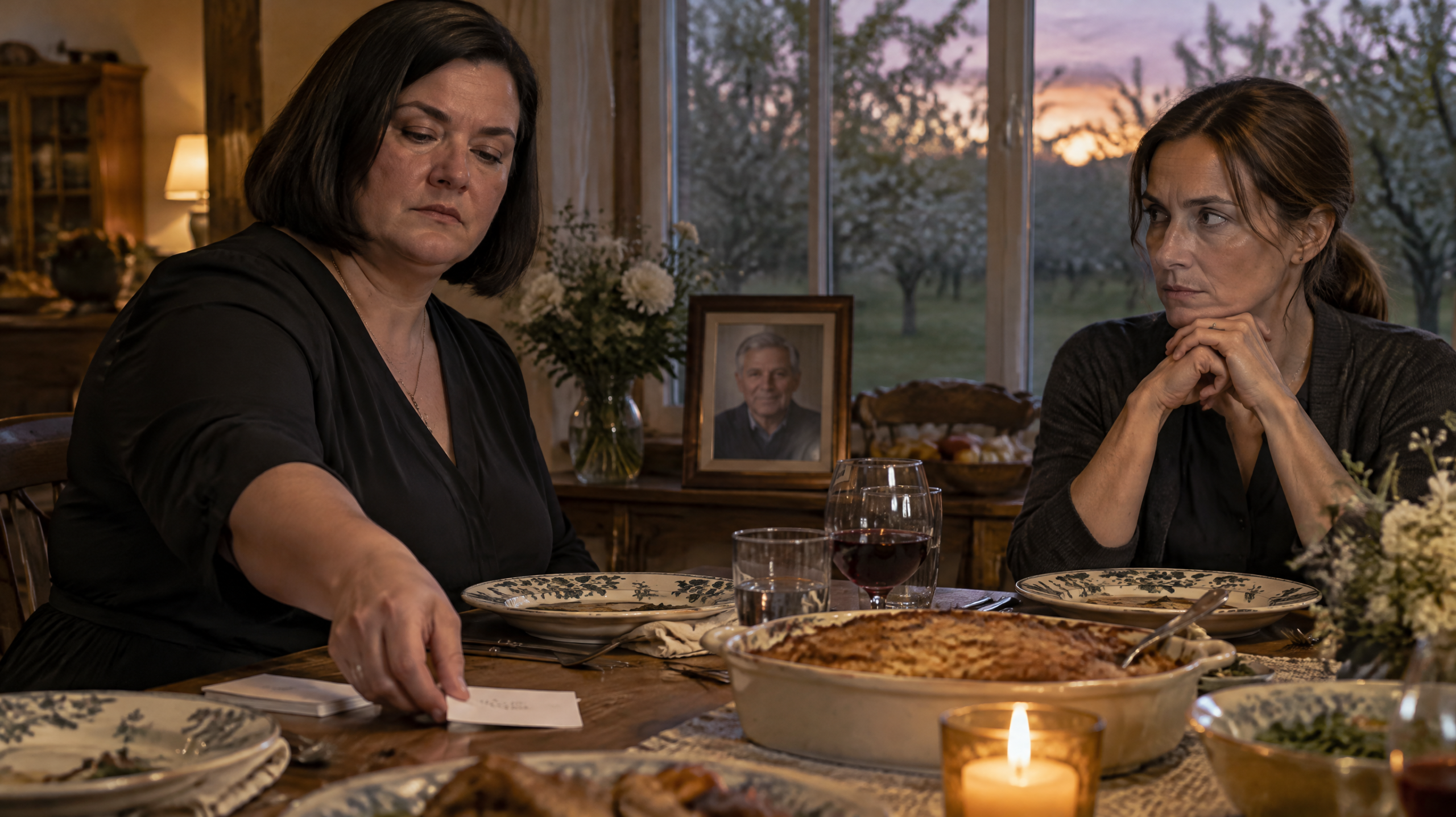
After the funeral, I asked the lawyer to hold Monday’s trust meeting at his office. I did not want another family vote conducted over food.
Delia arrived with Grant and put Emmett’s proxy beside her handbag.
“There are still more of us than you,” she said.
“There only have to be two signatures,” I said. “You don’t have mine.”
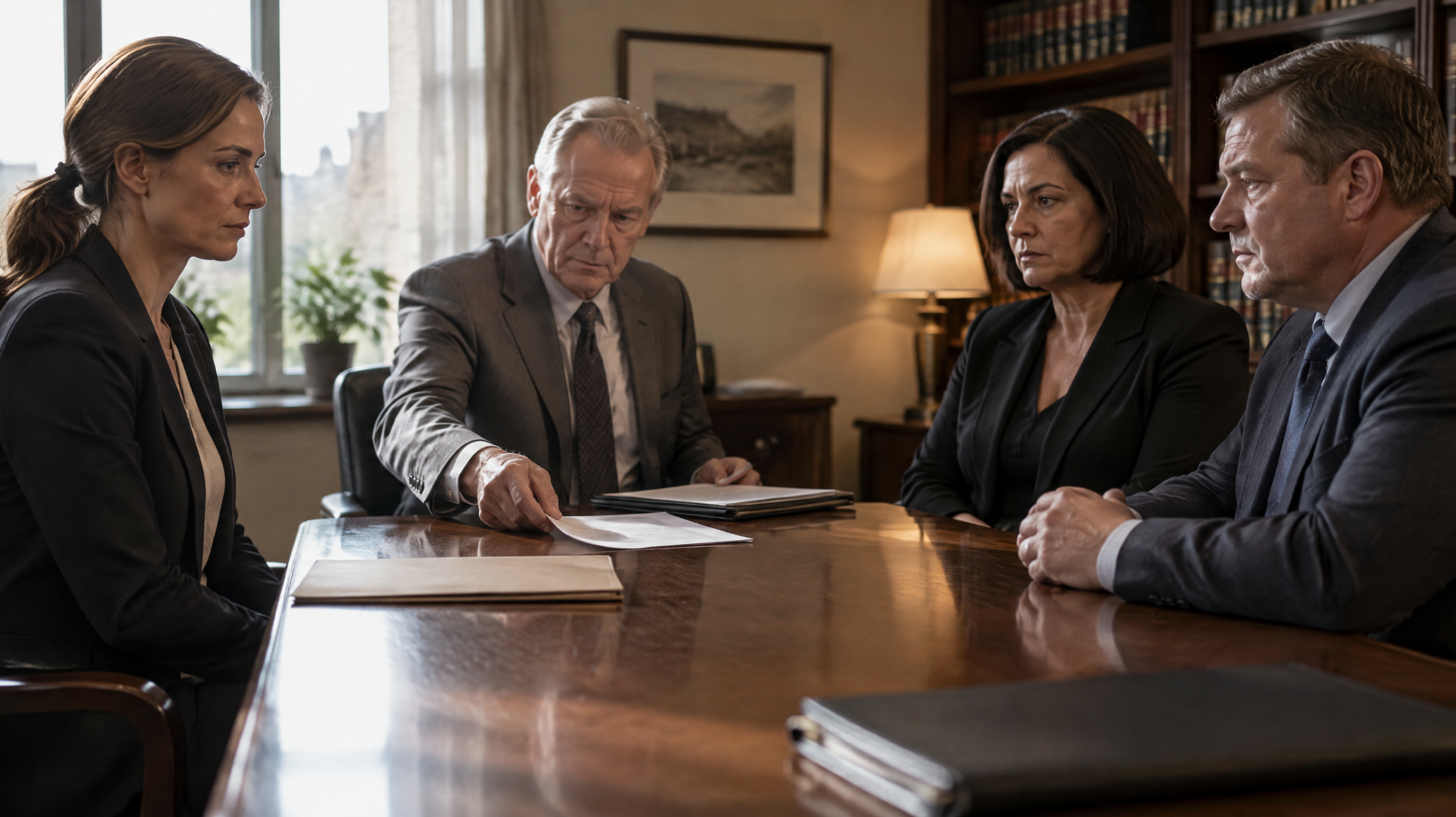
The lawyer moved the proxy aside. He asked me to begin.
I laid the county receipts next to the notebook. Each entry marked March errand matched a receipt to the dollar. My mother’s initials sat beside each amount.
Amos explained her stroke in 2012, how it had ended her driving, how she gave him cash in February so he could pay at the counter in March. That was why the county had no payer’s name. He carried money, not ownership papers.
Delia folded her arms. “My withdrawals are in the file.”
“They don’t cover half the bills,” I said. “And none connects your cash to the county.”
The lawyer said the slips she had assembled after my questions did not establish payment. The eleven matched receipts did.
For a moment Delia looked at Amos instead of me.
“You should have told us,” she said.
“You told me to leave,” he answered.
I put Dad’s note beside the receipts. “You wanted the person holding these gone.”
She did not answer that. She said the orchard had needed money. She said Grant had worked without thanks. When the bank statements went down, she called the transfers loans.
The lawyer asked her to explain the memo’s hospital date. She looked toward Grant. He studied the carpet.
“Did you ever pay the taxes?” I asked.
“I thought they weren’t paid.”
“But you told us the county had threatened a lien.”
She rubbed a thumbnail over the clasp of her bag. “We needed to close this out.”
The sale would have closed the books on the transfers. The invented arrears made delay sound dangerous. Her $34,000 claim would have put money into her hands before anyone examined what had already left.
Except Dad’s note put Mama first. The orchard owed her $58,000 before anyone divided proceeds, not Delia the repayment she had demanded over pie.
The lawyer called the transfers a breach of Delia’s duties. He directed repayment of the full $89,000, secured against her share, and had the agreement prepared. He could not make her sign it by speaking sternly. He could explain what a formal accounting would require if she refused.
Delia read every page. Then she signed.
She resigned as co-trustee and accepted personal responsibility for the $9,000 survey deposit she had charged to the estate. Grant’s hauling contract ended. Without my signature, Blue Ridge Compute withdrew.
Outside the office, Delia caught my sleeve.
“You get to save everything because you weren’t here doing it.”
I had no clean answer to the part of that which was true. I had not been here enough.
“I should have helped,” I said. “You still took the money.”
She let go.
Keeping the orchard did not mean keeping all eighty-four acres. As sole trustee, I arranged the sale of nine roadside acres, away from the orchard blocks and the north slope. The repayment and that sale funded another four years of Mama’s care. I leased the packing shed to a cider maker for winter income.
Delia and Grant kept their house. They lost the orchard payments they had counted on. I hired another hauler and learned to read every monthly statement myself.
At Mama’s birthday, Delia passed me a paper plate and asked whether I wanted cake. I said yes. We were polite. Neither of us pretended that passing a plate repaired anything.
I stopped visiting Mama only to check whether her room was clean and her bill paid. Sometimes she knew me. Sometimes we sat together while she folded the same washcloth. I stayed through that, too.
Later that fall, Amos helped me repaint the packing-shed sign. The north slope behind us had been cut for hay, and his forty hives stood where they belonged. He held the ladder while I worked around the letters Dad had carved too close together.
A drip ran beneath the last letter. I caught it with the brush, leaned down for a little more paint, and finished the sign before we put the ladder away.