
I thought my grandmother’s funeral would be the one day our family could behave like a family. Instead, my aunt waited until the bill arrived, told me I had been cut out of the will, and still expected me to pay for everyone’s grief.
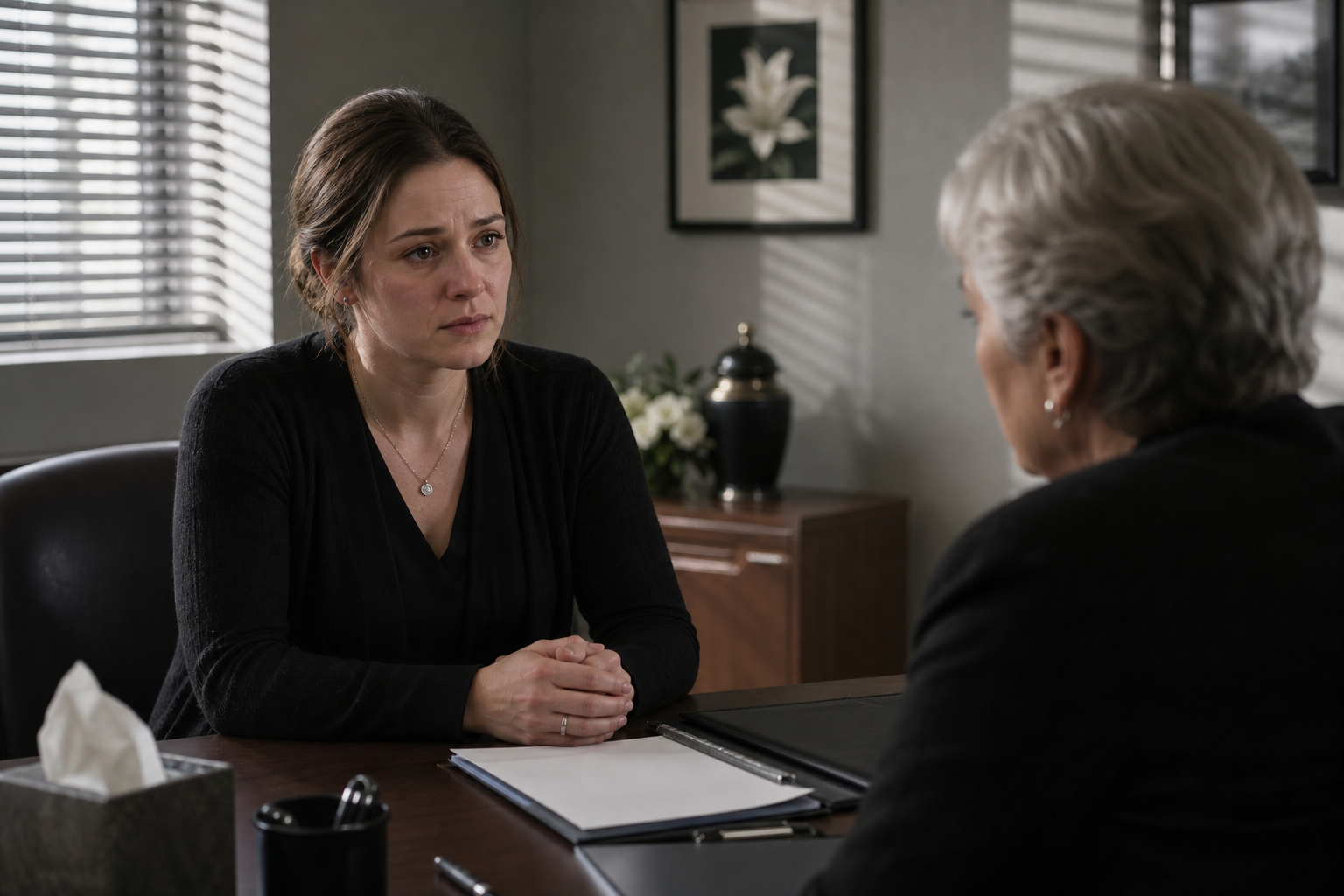
My aunt told me I was not in the will with the same voice she used to ask whether anyone wanted more coffee after church. Calm. Polite. Almost cheerful. We were standing in the funeral home office beside a fake fern and a table stacked with sympathy cards, and for one stupid second I thought I had misheard her because nobody says something like that while a funeral bill is lying open between them.
My grandmother, Ruth, had been dead for three days. I was thirty-four, exhausted, and still wearing the black flats I had stood in at the hospital when the nurse told us there was nothing more to do. I had helped choose the casket, written the obituary because nobody else could spell half our relatives’ names correctly, and spent two nights answering calls from people who always began with ‘I don’t know if you remember me’ before asking what time the visitation started. My aunt Denise, meanwhile, had specialized in appearing only when there was a decision dramatic enough to supervise.
Grandma had practically raised me. My mother left when I was eight, drifting in and out of rehab and bad relationships until disappearing into the sort of life people describe with lowered voices. Denise liked to say she had ‘helped where she could,’ but the truth was that Grandma had done the school lunches, the dentist appointments, the fevers, the rent money, and the years of sitting in folding chairs at school concerts pretending my uneven clarinet solos were beautiful. When I had my son, Eli, Grandma was the one who showed up with freezer meals and a set of tiny blue pajamas she’d bought on clearance because she said babies didn’t care what season things were meant for.
That was why I was the one handling everything after she died. Not because I was legally appointed, but because in most families the person who loved the hardest ends up doing the ugliest jobs. Denise had opinions, of course. She thought the flowers should look ‘less grocery-store.’ She thought the lunch after the burial should be catered somewhere nicer than the church hall. She thought certain cousins should not be allowed to speak because they made everything about themselves. She had ideas the way some people have allergies: constantly and with a lot of public suffering.
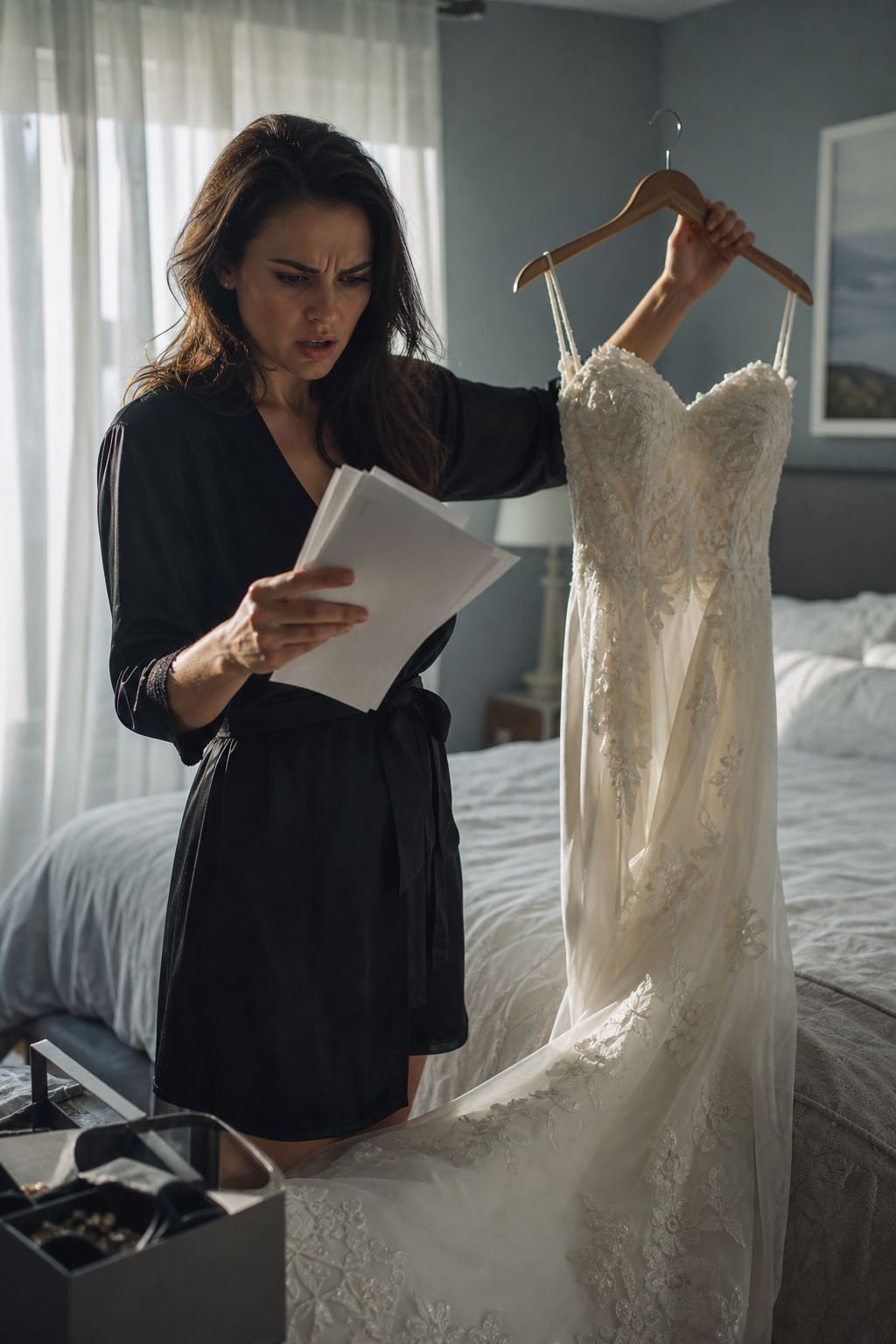
The morning after the funeral director walked us through the costs, he slid the estimate across the desk and left the room to make copies. Denise looked down at the total, inhaled sharply, and said, ‘Well, this is where it helps that you were so devoted.’ I asked what that meant. She folded her hands over her purse and gave me a smile so thin it looked practiced. ‘It means your grandmother knew where her responsibilities were,’ she said. ‘And before you get any ideas, you should know you’re not in the will.’
I stared at her. ‘I did not ask about the will.’
‘No, but grief makes people strange,’ she said. ‘I’d rather be clear now than have ugliness later.’ Then she tapped the invoice with one manicured nail. ‘Since you insisted on all this, I assume you’ll cover the extras.’
It took me a second to understand that she meant the funeral bill. Not all of it, technically. Just the difference between the cheapest thing she believed would still keep up appearances and the amount she had apparently decided her own mother was worth. My chest went hot. I asked whether she was serious. Denise shrugged. ‘You were the one making emotional choices. Open casket. Printed programs. Those picture boards. If you wanted a production, I don’t see why the estate should suffer.’
I laughed once, because rage sometimes exits the body wearing the wrong outfit. I reminded her that she was the one who demanded lilies flown in from somewhere absurd because Grandma ‘deserved elegance.’ I reminded her that she had invited half the county to the lunch because she wanted people to see we were not, as she put it, the kind of family who served sheet cake from plastic tubs. Denise waved all that away. None of that mattered, she said, because legally everything was straightforward. The house, the savings, the jewelry, all of it had gone to her. Grandma had signed the paperwork months earlier, during one of those stretches when Denise had suddenly started visiting every Sunday with fresh muffins and a new concern about ‘making things simple.’
I should have left then. I know that now. But grief makes you linger in rooms that are actively insulting you because some part of you still thinks love is about to walk back in and explain itself. So I asked the question that had been burning my throat since the moment she spoke. ‘Did she do that because she wanted to, or because you kept telling her I would manage without anything?’
Denise’s face changed. Just for a second. The smile fell away, and underneath it was the same mean impatience she had carried since we were girls and Grandma gave me a second helping before asking whether Denise was still hungry. ‘Your grandmother knew I was the daughter,’ she said. ‘You were a responsibility. I was family.’
I think that sentence hurt more than being cut out. Not because I believed it, but because I knew Denise had probably used some softer version of it on Grandma when I was not there. When she was tired. When she was scared. When she was old enough to confuse pressure with practicality. I thought about the last Christmas we spent together, Grandma pressing a tin of cookies into my hands and whispering, ‘You know what you were to me, don’t you?’ At the time I thought she meant comfort. Standing in that office, I realized she may have meant apology.
Then the funeral director came back in with copies and accidentally ended the performance. Denise straightened immediately, put on her widow-adjacent dignity, and asked whether there were any discounts if payment was made promptly. He looked at both of us and said the account was still listed under the estate, though a family member could pay personally if preferred. Denise turned to me with a tiny expectant nod, like she had already won. That was my breaking point.
I told him, very clearly, that I would be paying only the specific charges I had personally approved and that any remaining balance should be directed to the executor of the estate. Denise opened her mouth. I kept going. I said if she wanted full control of everything Ruth left behind, she could also take full responsibility for the expenses that came with burying her mother. The room went quiet except for the copy machine clicking behind the wall.
Denise hissed that I was making a scene. I said no, I was ending one. She accused me of trying to punish her because I had not gotten what I expected. I told her she was confused about the loss. I had not expected money. I had expected decency. One of those things, it turned out, had always been far less likely.
She did not speak to me at the burial lunch. Instead, she spent the afternoon telling cousins I was ‘fragile’ and taking things too personally. My cousin Mara, who has the useful habit of appearing quiet while hearing absolutely everything, pulled me aside near the dessert table and asked whether Denise had already started on the bill. When I said yes, Mara just rolled her eyes and told me Grandma had cried to her in the spring because Denise kept bringing up the will whenever the subject of home care came up. Not forcing, not technically. Just reminding. Just steering. Just doing the kind of work manipulative people do best when they can call it help later.
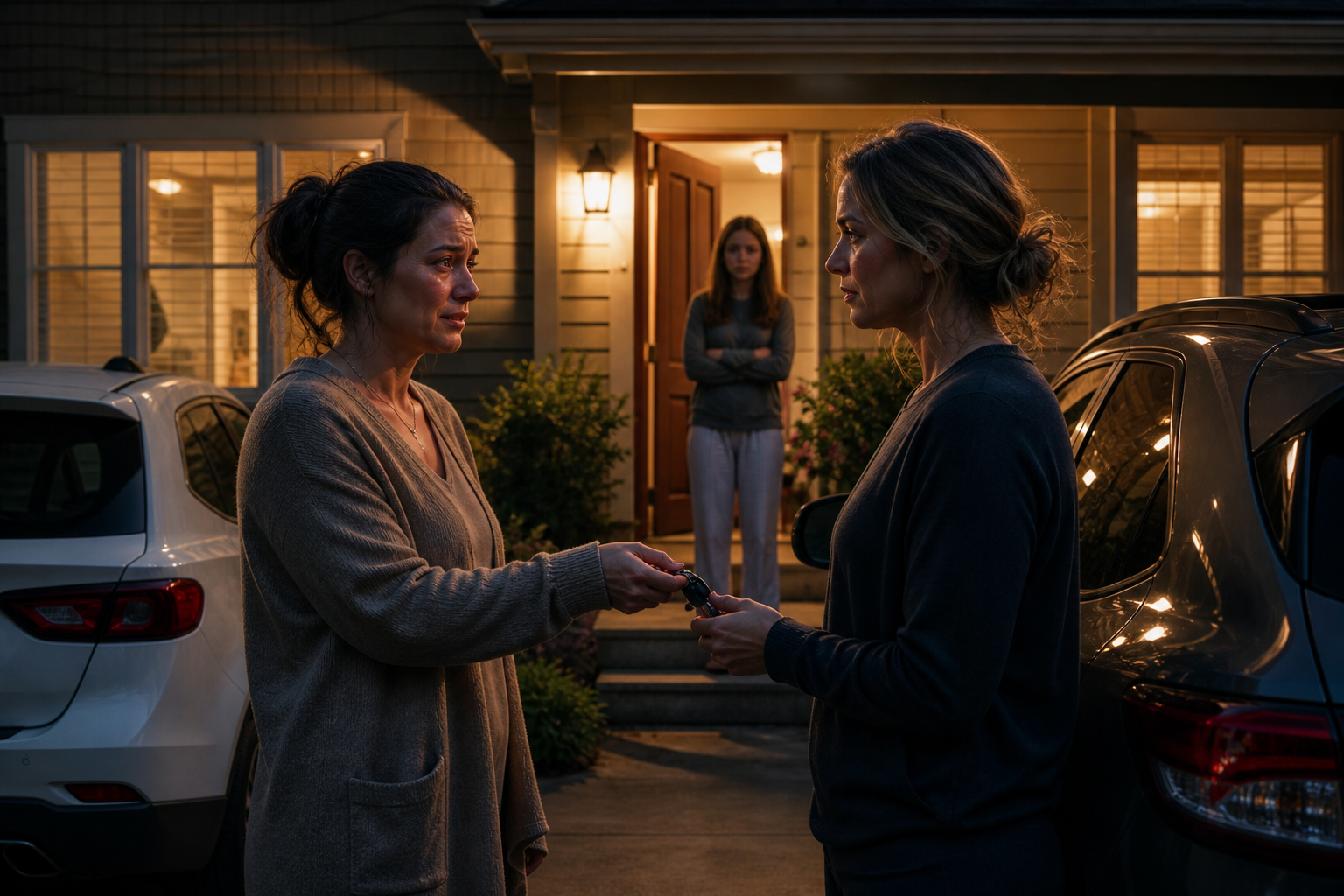
Denise eventually paid the funeral home, but not before texting me three separate times about what she claimed was my share. I never sent it. She told relatives I had abandoned her in grief. I let her. People who needed that version of the story were never going to survive the truth anyway. What mattered more was what happened two weeks later, when Eli asked why Aunt Denise had taken all of Grandma’s photo albums but left the tin of cookie cutters Grandma always used with him in December. I drove over that afternoon and asked for them back. Not the jewelry. Not the silver. The cookie cutters. Denise laughed in my face until I reminded her, in front of two witnesses, that several of those items had been stored at my house for years. Funny how quickly people remember boundaries when they realize somebody else can document them.
I got the cookie cutters. I got the recipe cards. I got the blue pajamas she had saved from Eli’s baby years because she said maybe one day there would be another little boy in the family who needed them. I did not get the house, or the savings, or the satisfaction of a clean ending. But I got enough to understand something I wish I had known sooner: inheritance is not always the thing people leave you in envelopes and bank accounts. Sometimes it is the moment you stop paying to be insulted by people who call greed grief and blood love.
Maybe Grandma meant to protect me. Maybe she was too tired to fight. Maybe she trusted the wrong daughter with the right pen. I will never know. But I do know this: Denise got everything that could be listed on paper, and I walked away with the part of Ruth that still mattered in a kitchen, at a table, beside a little boy pressing stars into dough. If that was not the official will, it was still the truest one.