

The venue manager called me on a Thursday morning to ask whether I was still sitting at the head table.
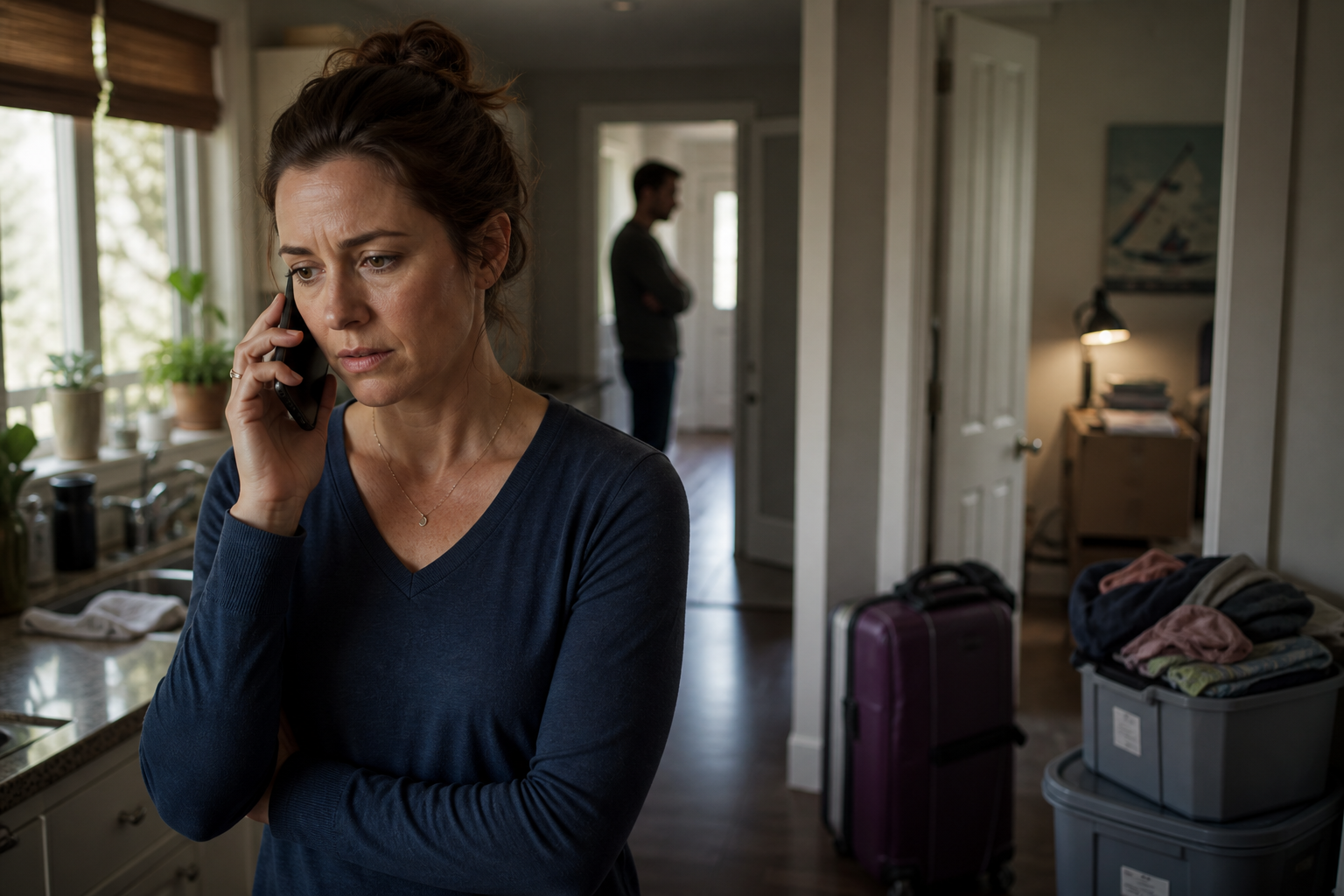
I was in my car outside my dental office, eating half a protein bar and trying to answer emails before my first patient, when a cheerful woman named Denise said, “Hi, Lena. I just wanted to confirm one detail before we finalize the shower room setup and transfer your notes to the wedding file. Nicole moved you off the head table, so I wanted to make sure you still needed a standard guest meal.”
For a second, I honestly thought she had the wrong person.
“I’m sorry, what wedding file?” I asked.
There was a little pause. Papers shuffling. The bright professional tone dimmed by half a shade.
“For Nicole Mercer’s wedding next Saturday,” she said. “This number is listed under the bridal shower contract, and your card is still the backup payment method for the event package.”
My hand tightened around the phone.
Nicole had asked me to cover the bridal shower deposit six weeks earlier. According to her, it was a short-term problem. Her florist had demanded final payment early, her mother was between bank accounts after a fraud alert, and if she lost the shower venue, her future mother-in-law would never let her forget it.
Nicole and I had been best friends since we were nineteen. We met as hostesses at a chain restaurant off Route 9, where she taught me how to carry four iced teas in one hand and flirt just enough to get better tips without letting men think they had actually impressed us. She was loud where I was cautious, glamorous where I was practical, and for years we balanced each other in a way that felt almost sisterly.
She had stood beside me in the courthouse parking lot when I signed my divorce papers at twenty-eight. I had slept on her couch the week my father died because I could not stand the quiet in my own apartment. When her first marriage collapsed in a hailstorm of cheating, debt, and mutual humiliation, I was the one who packed overnight bags for her twins and drove them to her mother’s house while she sat in the front seat shaking too hard to hold her own phone.
So when Nicole appeared in my kitchen with a manila folder, watery eyes, and a story about timing, I said yes before I asked enough questions.
“It’s eighteen hundred,” she said, sliding the contract toward me. “I can pay you back right after the wedding. My aunt already promised a check, and Greg’s family is covering half the rehearsal dinner. I just need the room held now.”
I remember looking at the contract while my coffee went cold beside my elbow. It was for a private room at an Italian place on the water, the kind of venue with hanging lights, white brick walls, and staff who called every woman in a blazer “love.” More expensive than I would have chosen. More elaborate than anything Nicole usually could afford. But she was forty-one, getting remarried after a brutal public divorce, and I understood the temptation to turn a second chance into proof that your life had not beaten you.
I told her I would cover the deposit if she signed a little repayment note for my own peace of mind.
She laughed, called me the most organized woman in New Jersey, and signed it without reading twice.
That should have reassured me. Instead, it did the opposite.
Because by then, I had already noticed a pattern I kept trying not to name. Nicole loved me most when I was useful.
I was useful when she needed someone to pick up her daughters from dance because Greg was “emotionally unavailable” and her ex was, as usual, a rumor instead of a parent. I was useful when she needed a sober witness to tell her she had not overreacted. I was useful when she needed a spreadsheet for the shower guest list because “you’re just better at this boring stuff than I am.”
But once the crisis passed, I often found myself standing half a step outside the real picture. Not fully excluded. Just gently edited.
Over the next month, the bridal shower somehow became my second unpaid job.
Nicole asked me to review invitations because her sister Amanda was “terrible with details.” She asked me to call the bakery after the first cake quote came back too high. She forwarded me screenshots of centerpiece options at midnight and wanted answers before sunrise because Greg’s mother thought hydrangeas looked cheap. Every time I suggested she trim the guest list or simplify the menu, she said things like, “You don’t understand, Greg’s family notices everything.”
Amanda was technically maid of honor, but most of what she contributed seemed to involve posting engagement selfies and saying “we should do something classy” without naming a budget.
The first time I felt truly strange about my place in all of it was at brunch three weeks before the wedding.
Nicole, Amanda, Greg’s sister Heather, and I were at a café downtown going over favors and seating ideas. I got up to take a call from my office, and when I came back, the conversation stopped too quickly. Then Heather asked, smiling too hard, whether I had already booked a hotel for the wedding weekend or whether I was “just driving in for the shower part.”
Nicole answered before I could.
“Lena’s flexible,” she said, then reached for my wrist and changed the subject to signature cocktails.
Flexible.
I told myself I was imagining the edge in it.
Then came the bachelorette weekend I was somehow not invited to.
Nicole claimed it had been Amanda’s planning choice and that space was “super limited” at the rental house in the Poconos. She said she assumed I would be relieved not to spend six hundred dollars on matching pajamas and winery photos. She even said, “Honestly, you hate those weekends anyway.”
I do hate matching-pajama weekends. That was not the point.
The point was that she told me this while asking whether I could still come early on shower day to help set up welcome bags.
I should have pulled back then.
I did what women like me too often do instead. I made myself smaller and called it maturity.
So on that Thursday morning, sitting in my car with Denise from the venue on speaker, all those small humiliations suddenly lined up into one clear shape.
“Can you send me whatever seating note you’re looking at?” I asked.
Denise hesitated. “I may have misspoken. I’m just trying to make sure the shower billing and the wedding coordination notes don’t conflict.”
That was enough to tell me there was a conflict.
Ten minutes later, she emailed the shower invoice, the signed contract with my card listed as backup security, and — whether by accident or mercy, I still don’t know — a copy of the wedding seating chart attached to the same thread.
I opened it in the staff parking lot.
Head table: bride, groom, maid of honor, best man, Greg’s sister, Greg’s brother, Nicole’s twins.
Family tables. College friends. Greg’s cousins. Amanda’s in-laws.
My name was nowhere.
Not at the head table. Not at a side table. Not even on the alphabetized meal list.
I was not a guest. I was a credit card with a pulse.
I called Nicole right away.
She didn’t answer the first time. Or the second. On the third call, she picked up sounding annoyed, as if I were interrupting something important.
“I’m working, Len. What’s wrong?”
“Am I invited to your wedding?”
Silence.
Real silence. Not confusion. Not surprise. Silence with guilt already inside it.
Then she said, “Why are you asking me like that?”
“Because the venue just sent me your seating chart, and my name isn’t on it.”
She exhaled hard. “Oh my God. Amanda must have sent the wrong version.”
“Then tell me the right version.”
Another pause.
“Lena, please don’t make this worse than it is.”
That sentence will tell you everything you need to know about a person.
I said, very calmly, “Worse than what?”
Nicole started talking fast then, building excuses in real time. Greg’s mother was pressuring them about numbers. The venue had a capacity issue. Amanda had insisted family needed to be prioritized. It was only a small wedding anyway. She had assumed I would understand because I was “more low-maintenance than the others.”
Low-maintenance.
That is another word women get handed when someone wants the benefits of their loyalty without paying the emotional cost of respecting it.
“You asked me to put eighteen hundred dollars on my card,” I said. “You had me managing invitations and favors. You had me calling vendors this week. And you were never going to tell me I wasn’t invited?”
Her voice sharpened. “That’s not fair. I was waiting for the right moment.”
“The right moment for what? For me to finish paying for things?”
She began to cry, which would once have derailed me instantly. This time it only made me tired.
“I am under so much pressure,” she said. “Greg’s family judges everything. Amanda said if I brought too many unrelated people, it would look tacky. I figured you, of all people, would know this wasn’t personal.”
Unrelated people.
After twenty-two years.
I looked down at the printed repayment note still folded in my planner from the day she signed it at my kitchen table.
Then I said the sentence I should have learned years earlier.
“You don’t get to use me in private and erase me in public.”
She went from crying to furious so fast it almost impressed me.
“So what, you’re going to ruin my shower over a seating chart?”
“No, Nicole. I’m going to remove my card from any event I’m apparently not important enough to attend.”
She said if I did that, I would humiliate her in front of Greg’s family. She said the deposit was nonrefundable. She said real friends do not keep score in moments like this.
But friendship is not supposed to mean financing your own humiliation.
I called Denise back and explained that I needed my card removed from the backup file immediately. I also forwarded the repayment note Nicole had signed and paid the one remaining shower balance that was already legally tied to my name, because I didn’t want some messy charge dispute following me for months. After that, I sent Nicole a simple message: I covered what I was already obligated for. I won’t be funding anything else. Please repay the deposit by the date on the note.
Within an hour, Amanda texted me that I was being dramatic. Greg’s sister called me “insecure.” Nicole’s mother left a voicemail saying weddings make people say and do strange things and maybe I should not take it to heart.
That is the family version of telling someone to swallow glass quietly.
If wedding betrayals are your kind of read, you might also like My Sister Asked to Borrow My Wedding Dress. She Returned It With Court Papers in the Pocket.
The shower happened without me that Sunday. I know because half a dozen photos made their way across social media before I finished laundry. Nicole looked beautiful. Everyone did. Smiling faces, candlelight, blush napkins, tiny gold place cards. The kind of pictures that make betrayal look elegant from a distance.
Four days later, Nicole showed up at my townhouse just after eight at night.
She was still angry, but the anger had gone frayed around the edges. She said Greg was upset about the money. She said his mother had asked pointed questions about why the backup card disappeared. She said Amanda had overstepped. She said she had meant to fix it before the wedding.
I asked the only question that mattered.
“If the venue manager hadn’t called me, when exactly were you planning to tell me I wasn’t invited?”
She opened her mouth and closed it again.
That was my answer.
For the first time since we were teenagers, I did not help her finish a story that made her look better.
I told her I hoped she had a lovely wedding and that I also expected every cent back by the date she had signed for. She stared at me like I had become someone colder than she remembered.
Maybe I had. Or maybe I had just finally become expensive to use.
Nicole mailed the repayment in two checks over the next month. No apology. Just memo lines and silence.
We have not spoken since.
Sometimes I miss the version of our friendship I thought I had. I miss the private language, the history, the certainty that she would show up when my life split open. But history is not the same thing as trust, and loyalty is not supposed to require you to clap while someone edits you out of the picture.
Maybe that makes me unforgiving. Maybe it just means I finally learned that being the reliable one is only noble until people start treating it like free access.