
The first sign that my father was back in my life was a birthday card with no return address.
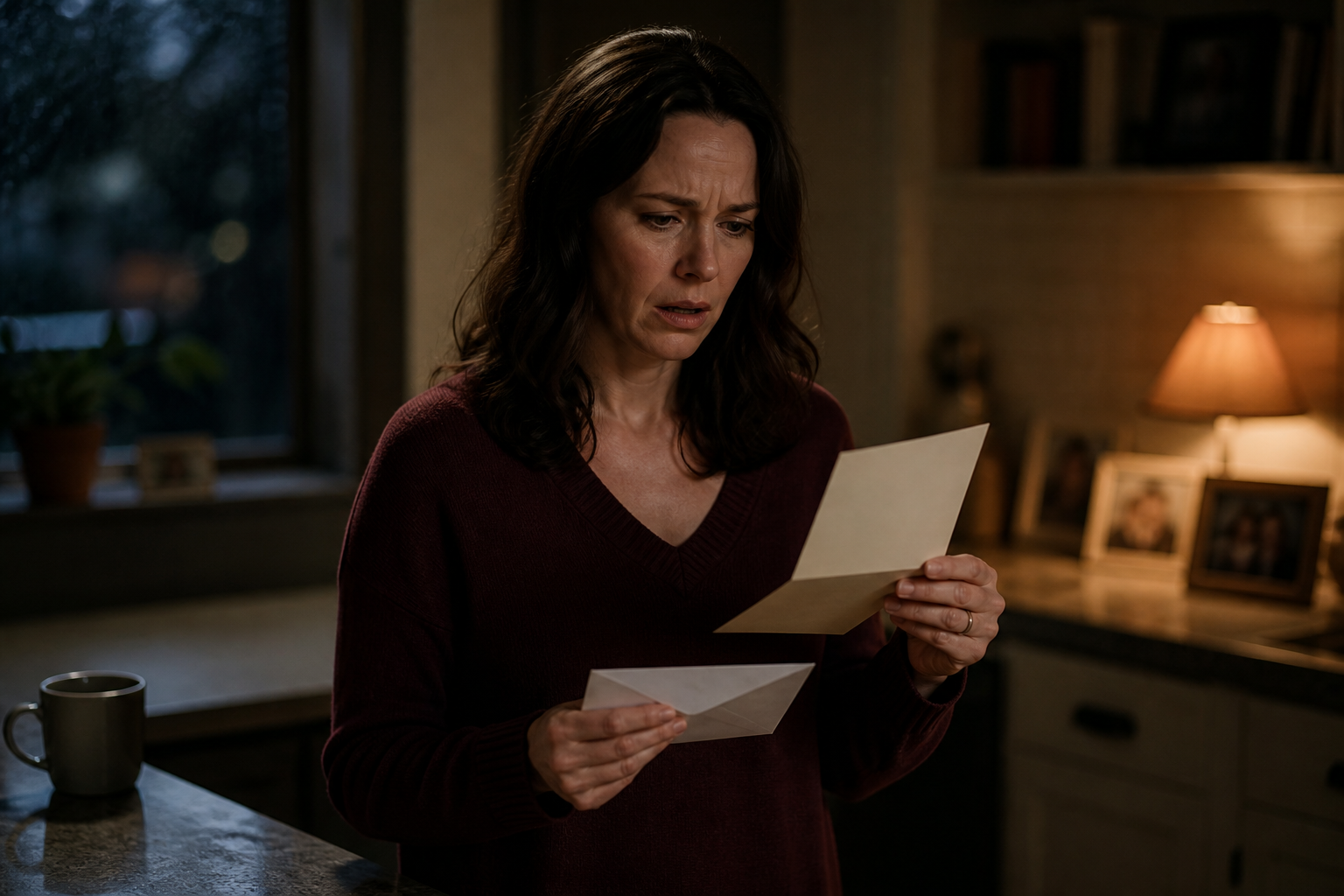
I almost threw it away with the grocery coupons and a dentist reminder. Then I saw the handwriting.
It was the same narrow, slanted script I used to recognize on child-support envelopes when I was a kid. Back then, I would hold them at the mailbox longer than I needed to, like the fact that he had touched the paper meant he might still remember I existed.
I stood in my kitchen holding that card so long my coffee went cold.
Inside, he had written five stiff lines. Happy birthday, Rachel. I know it’s been a long time. I think about you more than you probably believe. I hope you’re well. — Dad
That was it. No apology. No explanation for disappearing after he moved three states away with the woman he had been seeing before my parents’ divorce was even final. No mention of the school plays he missed, the graduation card that never came, or the fact that my mother worked two jobs while I learned very early not to expect him anywhere important.
My husband, Ben, found me still holding the card an hour later.
“You don’t have to answer that,” he said.
“He didn’t ask a question,” I told him.
Ben read the room correctly and let it go. He has been married to me long enough to know that the worst thing you can do with old grief is act like it’s an emergency just because it has become visible.
I put the card in the junk drawer. I told myself that was the end of it.
Two weeks later, my phone rang while I was in the pickup line waiting for our daughter, Emma.
The woman on the other end introduced herself as Denise. For a full second, the name meant nothing to me. Then she said, very gently, “I’m your father’s wife.”
I actually laughed. Not because it was funny. Because sometimes your body reaches for the wrong reaction when the right one feels too big.
Denise told me my father had fallen off a ladder while cleaning gutters, broken his hip, and been in rehab for twelve days. Insurance was only covering so much. He still needed help walking. Their house had stairs. Her own son had just started a trucking job out of state. She said she had found my number in his wallet next to the birthday card receipt and thought maybe this was a sign that he had been trying to reconnect.
Then she asked the question he had not had the nerve to ask himself.
“Would you be willing to take him home with you for a little while?”
I looked at the minivans in front of me and the crossing guard waving traffic through, and for a moment the whole world felt arranged around somebody else’s audacity.
“No,” I said automatically.
Denise went quiet in a way that suggested she was used to people rescuing her before she had to make a second plan. “I understand this is sudden,” she said. “But he listed you as family.”
That sentence made something in me go cold. I was family now. Not when I was twelve and sitting on the front steps with my overnight bag because he had promised to take me to the lake for the weekend and never came. Not when my mother cried in the laundry room because braces cost more than she thought and he was three months late again. Not when I got married. Not when Emma was born. But now, because he needed a first-floor bathroom and somebody dependable.
I told Denise I would call her back, then just sat there gripping the steering wheel until Emma got in the car and asked why I looked pale.
That night, I told Ben everything. He listened the way he always does, without rushing me toward a version of myself I would later resent.
“What do you want to do?” he asked.
“Nothing,” I said. “I want to do absolutely nothing.”
But nothing is hard to do once other people start calling it cruelty.
By the next afternoon Denise had left two voicemails and one long text explaining that discharge was in three days. My father’s physical therapist thought he needed someone at home for at least two weeks. She wrote that he was embarrassed, that he knew he had no right to ask, that he just wanted a chance to make things right.
That last phrase made me angrier than the request itself. People always talk about making things right as if relationships are receipts you can straighten and tape back together.
I called my mother, even though I already knew what she would say.
She was quiet for a moment after I explained it. Then she said, “Being needed is not the same as being loved. Don’t confuse the two because he suddenly learned the difference.”
My mother is not dramatic. When she says something that cleanly, it usually took her years to earn it.
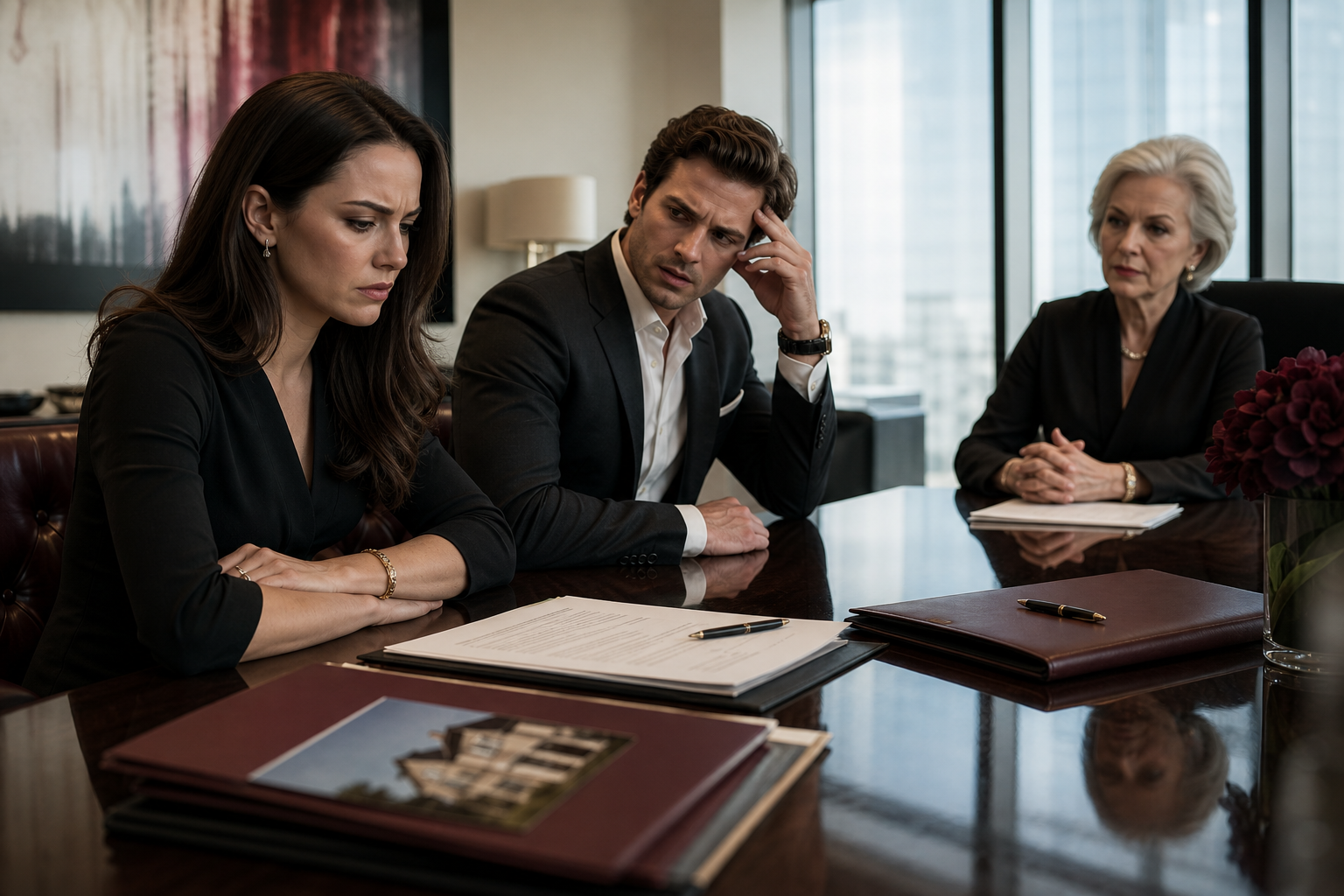
Still, I agreed to meet them at the rehab center before I made a final decision. Part of me wanted to prove to myself that I was being fair. Another part wanted to see his face and find out whether time had done him the courtesy he never gave us.
The rehab center smelled like floor polish and overcooked vegetables. Denise met me in the lobby wearing too much perfume and the smile of a woman trying to skip to the part where everything worked out.
My father looked older than I was prepared for. Smaller, too. Age had rubbed the edges off him. For one dangerous second, I felt the old childish urge to be chosen.
Then he said, “You look just like your mother,” in the exact tone people use when they mean this is why things are difficult, and the feeling disappeared.
We sat in a little family room near the nurses’ station while Denise explained logistics. Their bedroom was upstairs. The downstairs den was too small for a bed. Her son couldn’t take time off. A home aide cost too much. She kept using the phrase just until he’s stronger, the way people do when they are asking for a favor that would rearrange your life.
My father mostly looked at his hands.
Finally I asked him the question that had been sitting in my throat since the birthday card arrived.
“If you hadn’t fallen, would you have called me?”
He took too long to answer.
“I was getting there,” he said.
I actually nodded, because there was nothing else to do with a lie that tired.
On my way out, a social worker caught me in the hallway and started talking to me like I had already agreed. She asked whether our guest room was on the first floor, whether I had grab bars in the bathroom, whether anyone in my home worked daytime hours. I stopped her and said, “I haven’t said yes.”
She apologized immediately, but the damage was done. Somewhere between the card and the hospital, these people had built an entire future out of my presumed compliance.
Driving home, I thought about every family I know where one person quietly becomes the default adult while everyone else contributes opinions. If you’ve ever lived that role, you know how quickly concern becomes assignment. It reminded me of stories like this one about being turned into the family’s automatic caretaker, where the emergency arrives at your door already packed for a longer stay than anybody admits.
When I got home, Emma was doing homework at the kitchen island. She asked, carefully, “Was that Grandpa?”
We have never hidden the truth from her, but we have also never made my father large in our house. He was an absence, not a legend.
“Yes,” I said.
“Do you want him here?”
Kids have a way of stepping over the polite lies adults build for each other.
“No,” I said, and hearing it out loud felt less cruel than I expected. It felt accurate.
That night I called Denise back. I told her I was not bringing my father into my home. I said it calmly, clearly, and without the long apology she was waiting to interrupt.
She cried almost immediately.
Not loud crying. Tired crying. The kind that is partly about the situation and partly about realizing the person you planned around is not available.
“He has nowhere to go,” she said.
“That isn’t true,” I said. “It just means the place you wanted is unavailable.”
She told me I was punishing a sick old man for the mistakes of a younger one.
And maybe that would have landed if he had arrived in my life with remorse instead of logistics. If he had called before he needed something. If that birthday card had contained one honest sentence instead of a soft opening for a hard ask.
Instead, I spent the next morning doing something I could live with. I called the rehab social worker myself. I got a list of short-term step-down facilities. I called two of my father’s church contacts that Denise mentioned. I even spoke to her son, who suddenly found time to discuss options once he realized I was not taking the assignment off his hands.
By late afternoon, they had a temporary placement twenty minutes from their house and a rotating plan for rides. It wasn’t convenient. It wasn’t free. It also wasn’t my guest room.
My father called that evening for the first time in two decades.
“You could have done this differently,” he said.
I stared at my phone, almost impressed by the consistency.
“So could you,” I said.
He told me he was trying. I told him trying usually starts before the discharge date. Then I said the thing I think I had needed to say since I was twelve years old with a duffel bag on the porch.
“You don’t get to use the word daughter like a service plan.”
He hung up without answering.
It has been four months now. He finished rehab. Denise texted once to say he was walking without the cane more often. I sent back, “I’m glad to hear that,” and nothing else. He mailed a Christmas card to our house in December. It was signed with both their names. There was still no apology in it.
I used to think closure would feel warmer than this. More forgiving. More graceful.
Instead, it feels like locking a door gently behind me and realizing I was the only one who ever believed it had to stay open.
Ben says I found the only version of help that did not require me to become a child again. My mother says boundaries always sound harsher to the people who benefited from your lack of them. Emma asked me later if I felt guilty, and I told her the truth: a little. But guilt is not always a warning. Sometimes it is just grief wearing an old name tag.
I did not take my father home. I helped without pretending we were something we were not. Maybe that makes me cold. Maybe it means I finally learned that being someone’s last option is not the same thing as being their family.
What would you have done?