The deed box sat under my bench where it had sat for thirteen months. Steel, half a metre long, a cheap padlock I could have had off in a minute. My grandfather gave it to me the week before he died, in the room with the oxygen and the television he never watched, and made me put my hand on the lid and promise I would leave it sealed until it could do some good and not just cause trouble. I was twenty-six, he was dying, and I would have promised him anything.
That night I cut the padlock off with a slitting disc and laid the papers out under the bench lamp.
There were not many. A carbon copy of a typed statement, signed T. Vane, dated 14 March 1979. Three pages. In it my grandfather said he had been smoking in the paint store despite the signs, that he had dropped a cigarette between two drums of solvent, and that he was sorry for the men who lost their jobs and for Mr Harrower, who had been good to him.
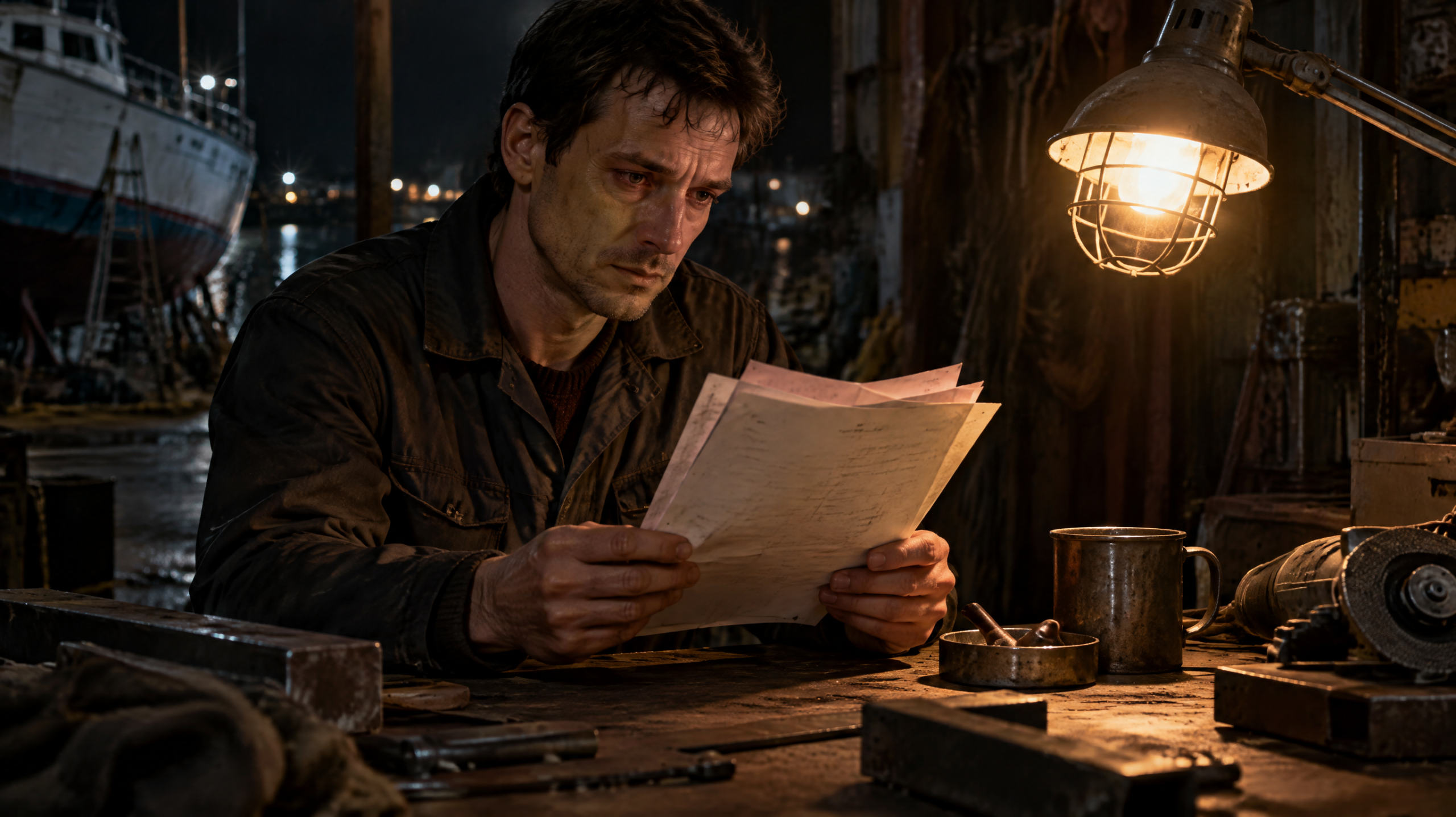
I read it four times. My grandfather smoked a pipe. He had smoked a pipe for as long as I had known him, and my grandmother had hated it, and he had never once, in the whole of my life, put a cigarette in his mouth.
Under the statement was a paying-in book. His name on the front in biro, the pages stamped monthly by the same branch, and against each stamp the same words in the clerk’s hand: Kestrel Marine. It started in April 1979 and ran, page after page, for years I could count. The last entry was eleven days before his funeral.
So the yard had paid him. For as long as I had been alive, and longer, the yard had paid my grandfather, on the quiet.
I sat on the workshop floor with the book open on my knees and told myself there were innocent explanations. A pension. Something negotiated. Men of that generation did not discuss money with their grandsons.
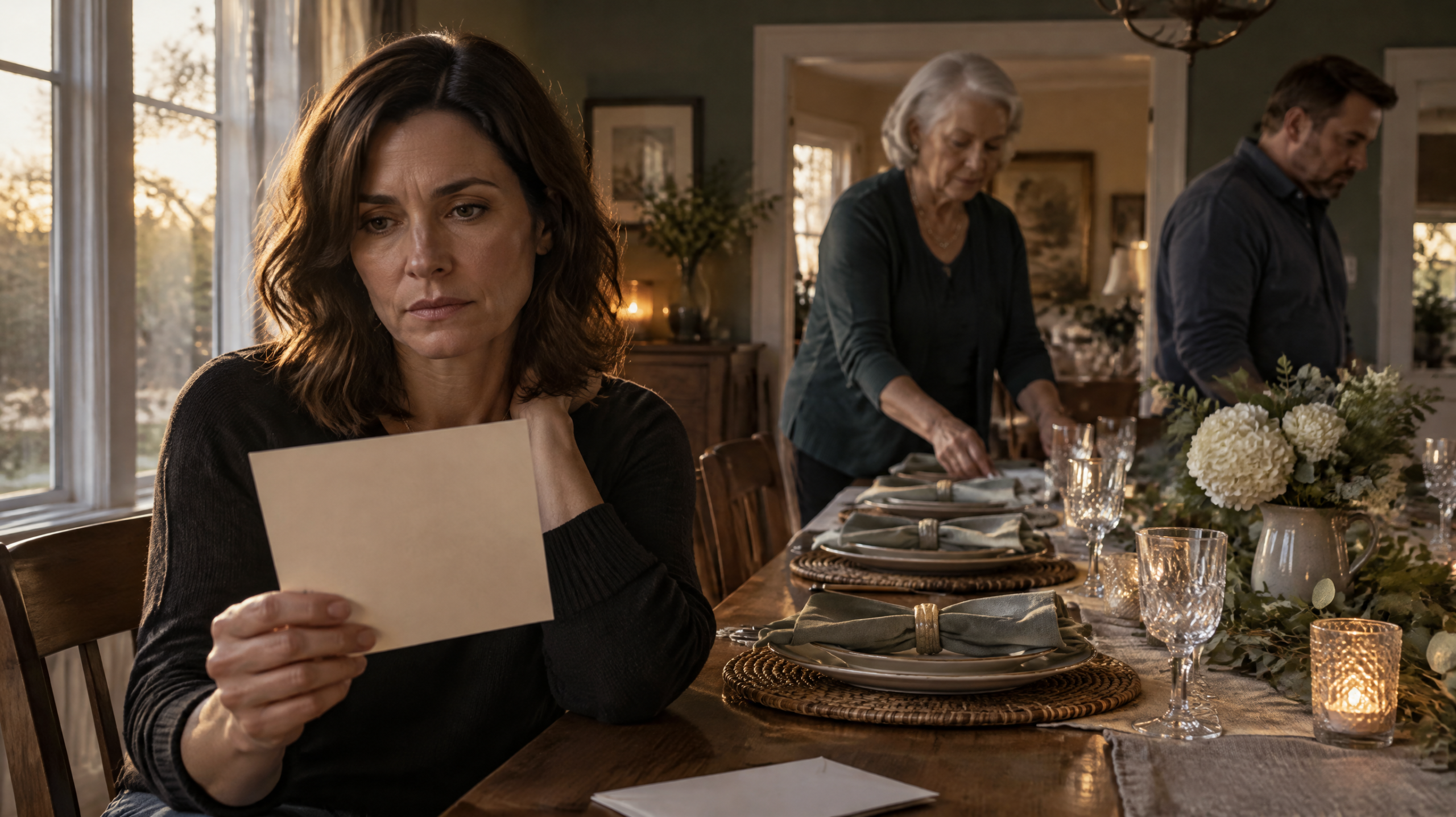
Delia came over on the Tuesday with bread and a bottle of wine and found me still at the bench. I had not meant to show her. Then I did.
She read the statement twice, then did something I did not expect. She turned to the margins. Every correction on the typed pages, every crossed-out word and rewritten figure, carried two initials in ink at the edge of the page. B.H. Strong, upright, the pen pressed hard enough to groove the paper.
“That’s my grandfather’s hand,” she said. “Look at the H. He writes it with the loop closed. He does it on the letters in the office, the ones he still signs at Christmas.”
She went through the pages one at a time and found eleven of them. Eleven sets of initials, all the same.
“He was nowhere near that statement,” she said. “He was the founder. He didn’t correct typists’ work.”
“Somebody did.”
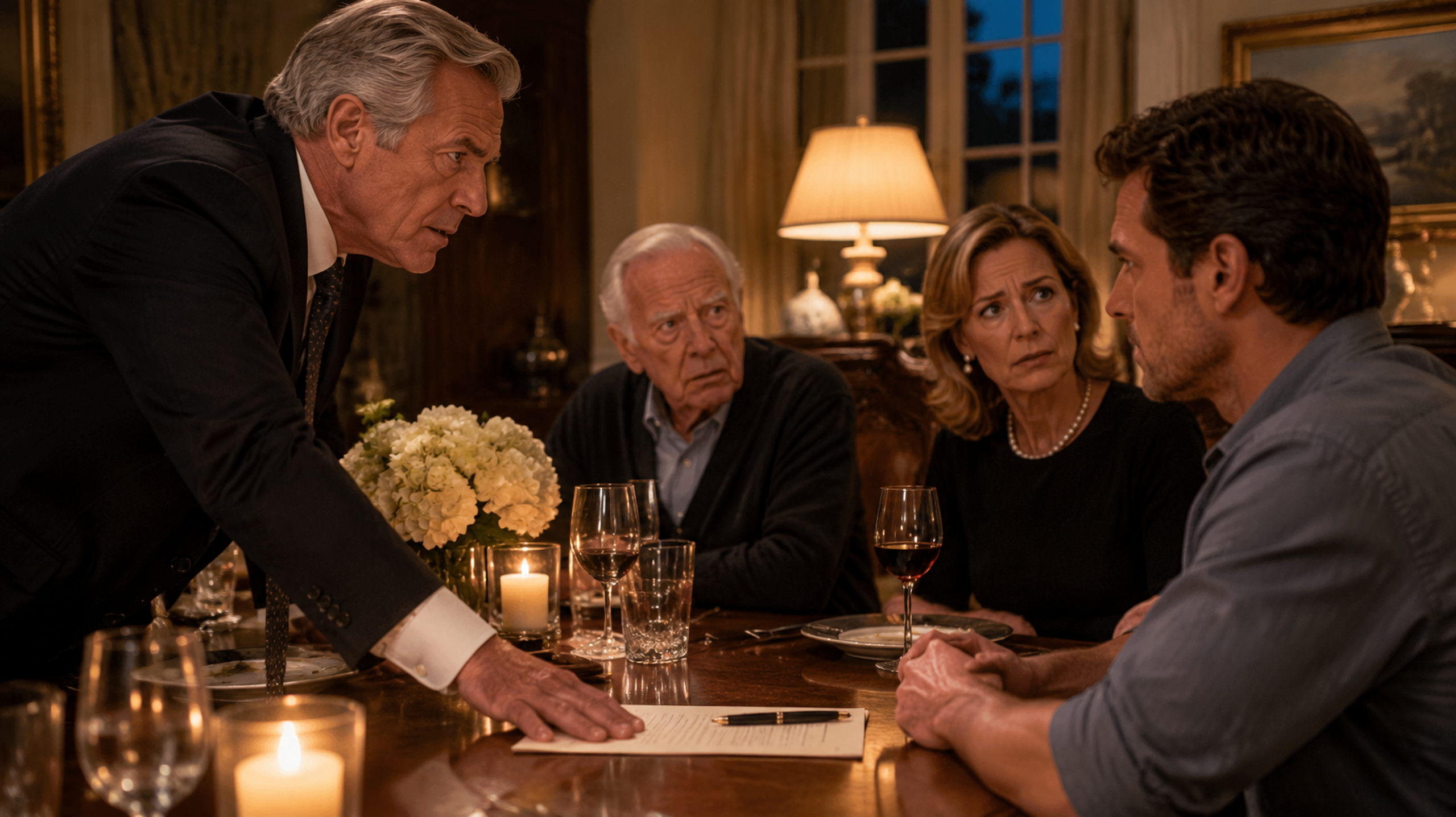
“I know.” She put the pages down very carefully, squared them against the edge of the bench, and did not look at me. “My father is signing the marina lease on the twenty-second. Forty years, and the yard only survives because of it. If this goes off now, the authority pulls the file and the whole thing is dead.”
“Delia.”
“I’m asking you to wait.” She looked up then. “Not forever. Three weeks. Let him sign it, and then we take this to him together, and he answers for it. If you go at him now he’ll bury it and he’ll bury you with it.”
I said I would wait.
She kissed me and drove home, and I stood in the workshop with my grandfather’s confession on the bench and the initials in the margin, and told myself I had given my word to a living woman instead of a dead man. It felt like the right order of things. What I did not say to her, because I had not yet admitted it to myself, was that a promise made at a deathbed had already lasted thirteen months longer than it should have.
I told myself I was not going to confront anybody. I was going to ask a question about a pension.
That is what I said in the van on the Thursday, with the paying-in book in my jacket pocket. Delia had asked me for three weeks. Asking a plain question about a pension was not the same as putting her grandfather’s initials in front of her father, and I had that worked out before I reached the gate.