Nobody had found a cigarette. Nobody had even looked for one and written down that they were looking.
And Bernard Harrower had been standing in that yard at five past eleven at night, forty-one years old then, watching it burn.
I photographed the page twice, once flat and once with my thumb at the edge so the date showed, and the woman at the desk told me the machine was closing in ten minutes.
On the Monday morning Victor cancelled the pontoon subcontract. The email was four lines and did not use my name.
Further to our review, Kestrel Marine will not require your services on the marina works. Any materials on site to be collected by Friday.
At half past nine the harbour engineer rang me, a decent man called Reith whom I had done two jobs for, and told me, embarrassed, that he had been asked to note in the file that my firm was unreliable on programme. He said he was sorry. He said he had no choice about what went in the file.
At eleven the post came through the workshop door with the bank’s window envelope in it. My rent cheque, returned. Twelve hundred and forty pounds, returned to drawer, with a printed line about charges. I had invoiced half the pontoon money and spent it on steel.
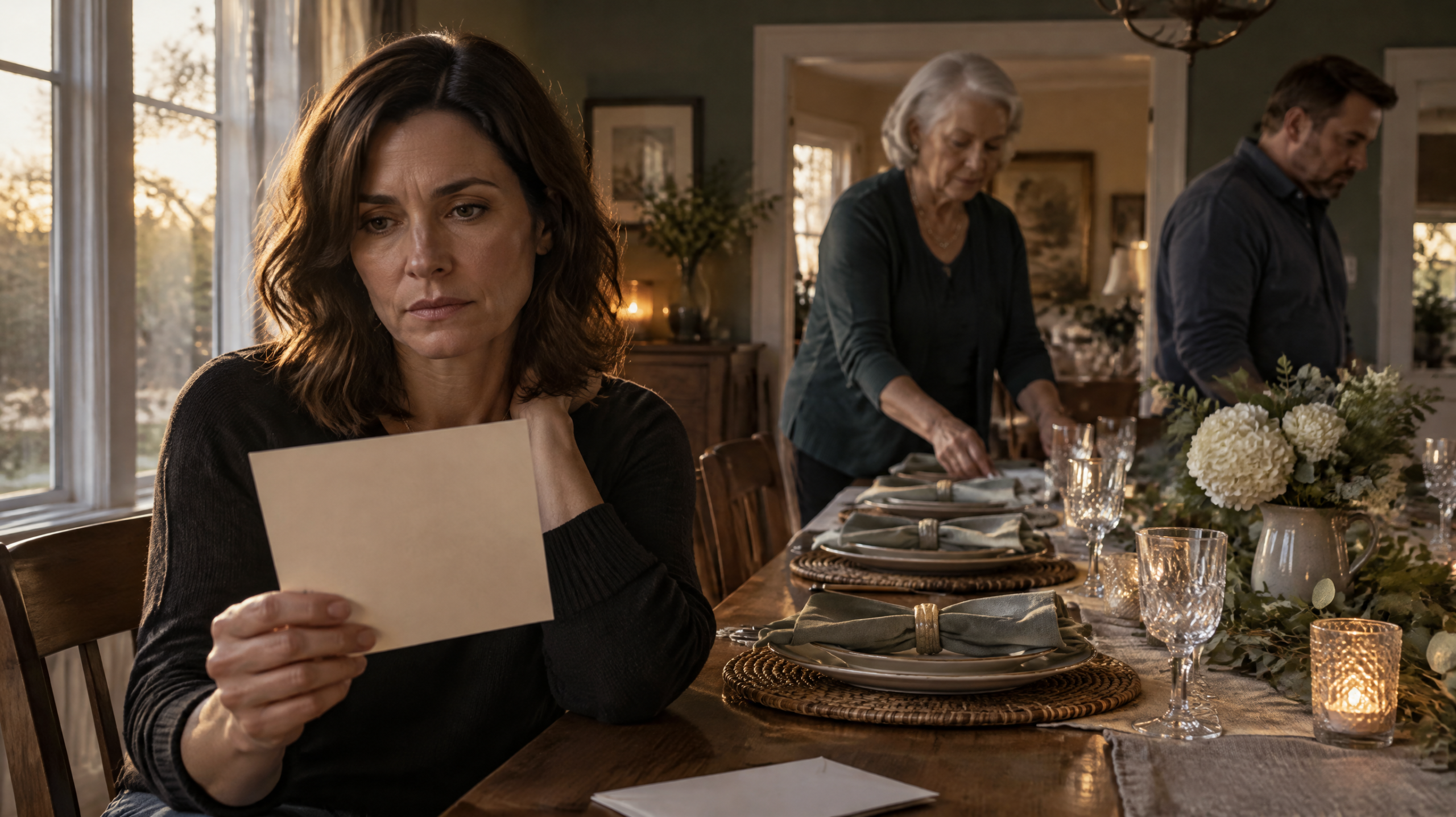
Delia’s key was on the bench when I came back from the merchant’s. Under it, a page from her notebook, torn along the spiral.
You promised me three weeks. I found out from my father, not from you. I’m at home. Don’t ring the house.
Nine days. I counted them because I did not sleep much of them. The flat had one of those mattresses that keeps the shape of the person who has got up, and hers kept it for a week before it flattened out.
On the ninth day I went to the Harrowers’ house, and the carer let me in. She was a tired woman in a tabard who had been told there was no point arguing with the old man, and Bernard had asked for me twice that morning, by name.
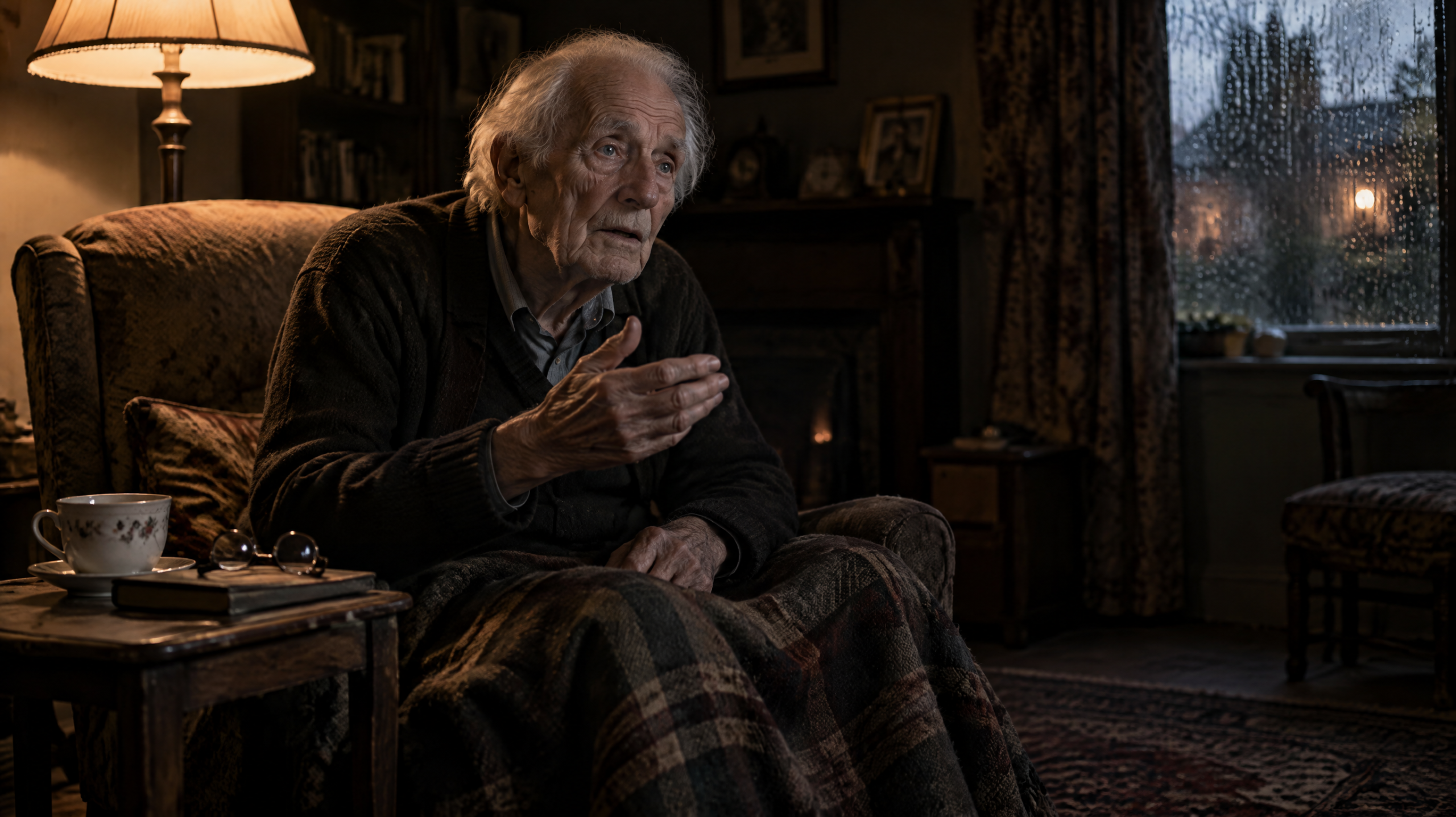
He was in the front room with a blanket over his knees and the television off. His eyes were clear. I had seen that look once before, across a dinner table, and I knew what it cost him.
“Sit down,” he said. “I’ve got about twenty minutes before it goes.”
I sat.
“I dictated it,” he said. “The statement. I sat in that office with the door shut and I said the words out loud and a girl typed them, and she was crying by the second page, and I told her to keep going.” He looked at the window. “He signed what I put in front of him. He couldn’t read it by then, his eyes had gone, and I read it to him and told him it was a statement about the fire and he signed it because he trusted me.”
“Why?”
“Because there was a letter.” He reached down the side of the chair, where a man keeps his papers, and took out an envelope soft as cloth and put it in my hand. “Read the second page.”
The letter was from the yard’s insurers, dated the April after the fire, and it had been opened so many times the folds had gone white.
We are instructed that the cause was smoking materials. Our assessors advise that if the fire is found to have originated in yard equipment, the claim of £64,000 is void and recoverable.
“A paraffin heater against the drums,” Bernard said. “My heater. I’d had it out there because the men were frozen and I wouldn’t pay for the flue. Sixty-four thousand pounds was the whole of the rebuilding. So a cigarette had to be found, and Tomas had the cigarettes in his coat pocket some days, and he was the last man in the store, and he was nobody.”
“He was somebody,” I said.
“He was to me.” Bernard said it plainly, without pity, which was the first honest thing anyone in that family had said to me. “That’s why it was a payment and not a pension. You don’t pay a pension to a man you’ve broken. You pay him to keep his mouth shut, and you keep paying, and you tell the board it’s compassion, and after a while you believe it.”