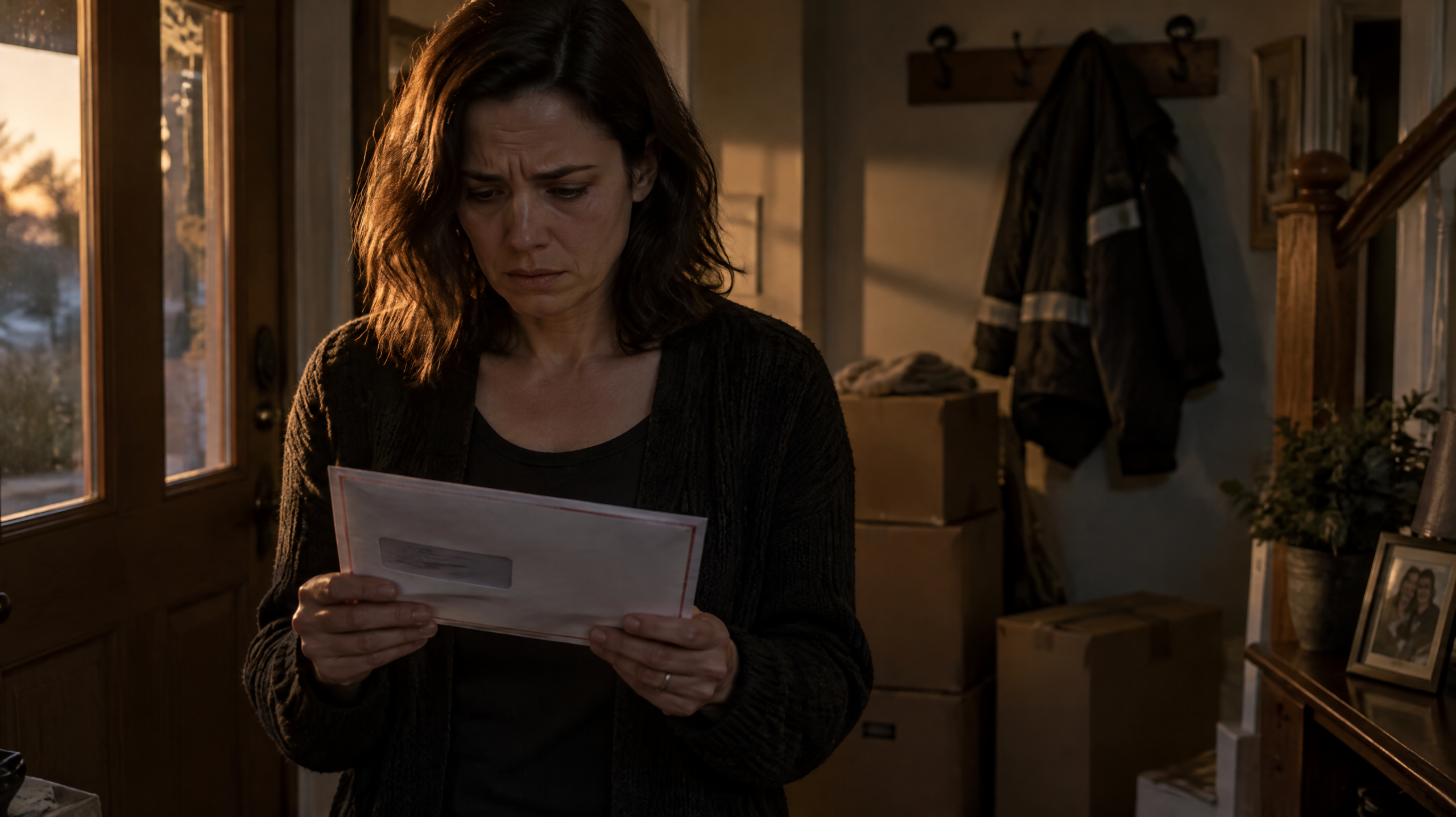
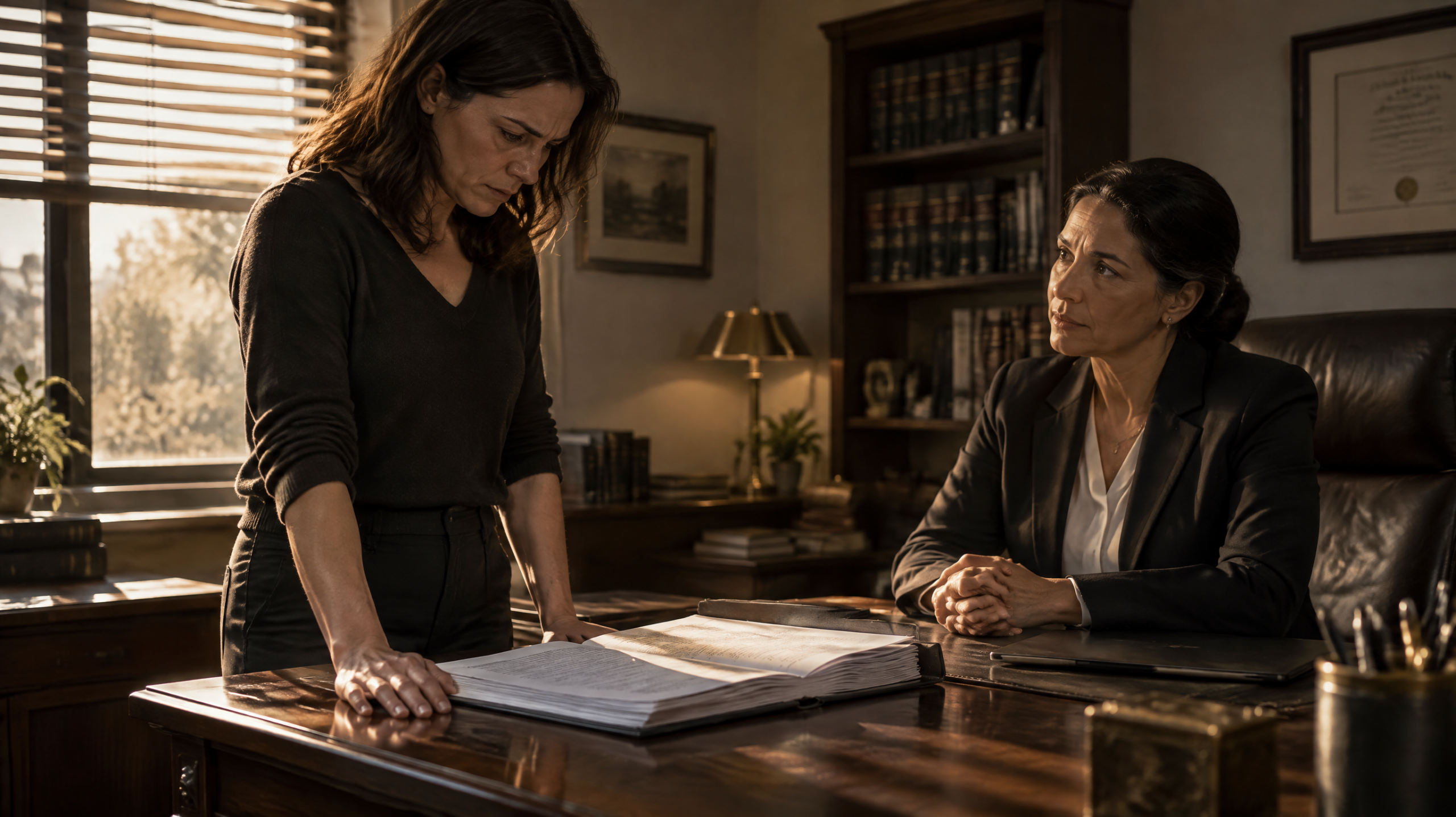
The next morning I called the number on the letterhead and asked what I was signing. Priya Nair agreed to see me on Thursday. Her office was two rooms above a dry cleaner, file boxes to the ceiling.
“I’m counsel for the estate,” she said. “Not for your brother, and not for your mother. The file stays honest while I’m on it. You’re a beneficiary of the trust, so you’re entitled to copies of everything I sent you a consent form for.”
She slid the will across the desk and I read it standing up. Dad’s 2020 will left everything to Caleb. My mother got a life estate in the family home, the right to live there until she dies, and nothing else. My name showed up once, in the clause about the daughter specifically omitted. I’d expected it. It still landed like a bill.
Then Priya put the trust instrument in front of me, and the will stopped mattering. Grandma set the cottage into a trust in 2017, and the will can’t touch what the will never owned. The amendment clause was plain as a stop sign. No sale of trust property may be authorized without the signatures of both grandchildren of Eleanor Bell.
Caleb and me. My brother, who got everything, and me, who got the clause about being omitted. If Dad’s will erased me, the cottage was never Dad’s to erase. And Caleb could not sell it without my name.
I asked the obvious question. Why sell at all? Dad’s care was over. The estate’s bills, whatever they were, belonged to the estate, not to a trust set up nine years ago.
“The executor’s position,” Priya said, with the care of someone choosing each word off a very high shelf, “is that the trust must liquidate to reimburse care costs. That’s the position. I can’t advise you, Ms. Bell. But I’ve been doing probate for nineteen years, and I’ve never seen an honest sale that needed this much hurry.”
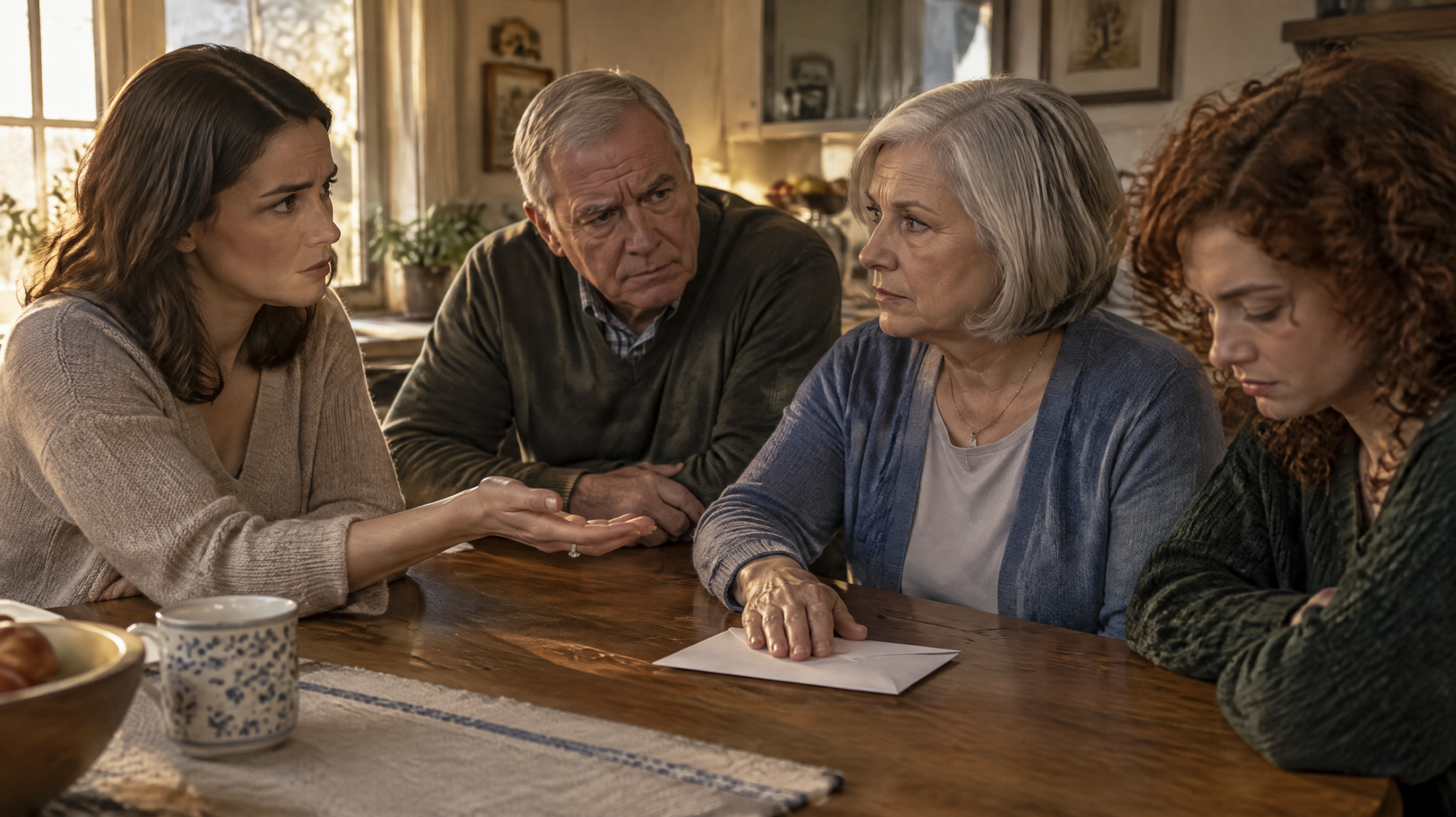
Caleb agreed to meet at the family home on Saturday. My mother still lives there; the will let her keep that much. The house smelled the same, coffee and the lemon polish she uses on the banister, and Dad’s chair sat empty at an angle nobody had corrected.
Caleb had a manila folder and a spreadsheet printed so wide it took two pages taped together along the seam. He turned it toward me like a dealer showing a hand he expected to win. Total care costs, diagnosis to death: $412,000. Line after line, monthly charges for Cedar Grove memory care, medical transport, private-duty shifts, house repairs, and at the bottom, in bold, the total.
“It’s all here,” he said. “Eleven thousand a month at the facility alone. This is why we need the sale. This is what took everything, Nora. You’d know that if you’d been here.”
I asked to see the trust’s actual bank ledger.
Something crossed his face and left. “You’ve been gone five years. You don’t get to walk in and audit me.”
Mom put her hand on my wrist. “He’s handled everything, sweetheart. He’s worn himself down to nothing. Just sign it and let us have some peace.”
But I’ve been an occupational therapist for eleven years. Half my job is sitting with frightened families doing the arithmetic on memory care, the real numbers, the ones after insurance. I sat there doing that arithmetic in my head, over and over, and I could not make four hundred twelve thousand dollars fit any version of it I knew. A spreadsheet isn’t proof, though. A spreadsheet is a story a person tells with numbers.
Proof lives in records, and Cedar Grove keeps records. I’ve spent my whole career teaching families how to ask for them.
Monday morning, I decided, I’d drive out there myself.