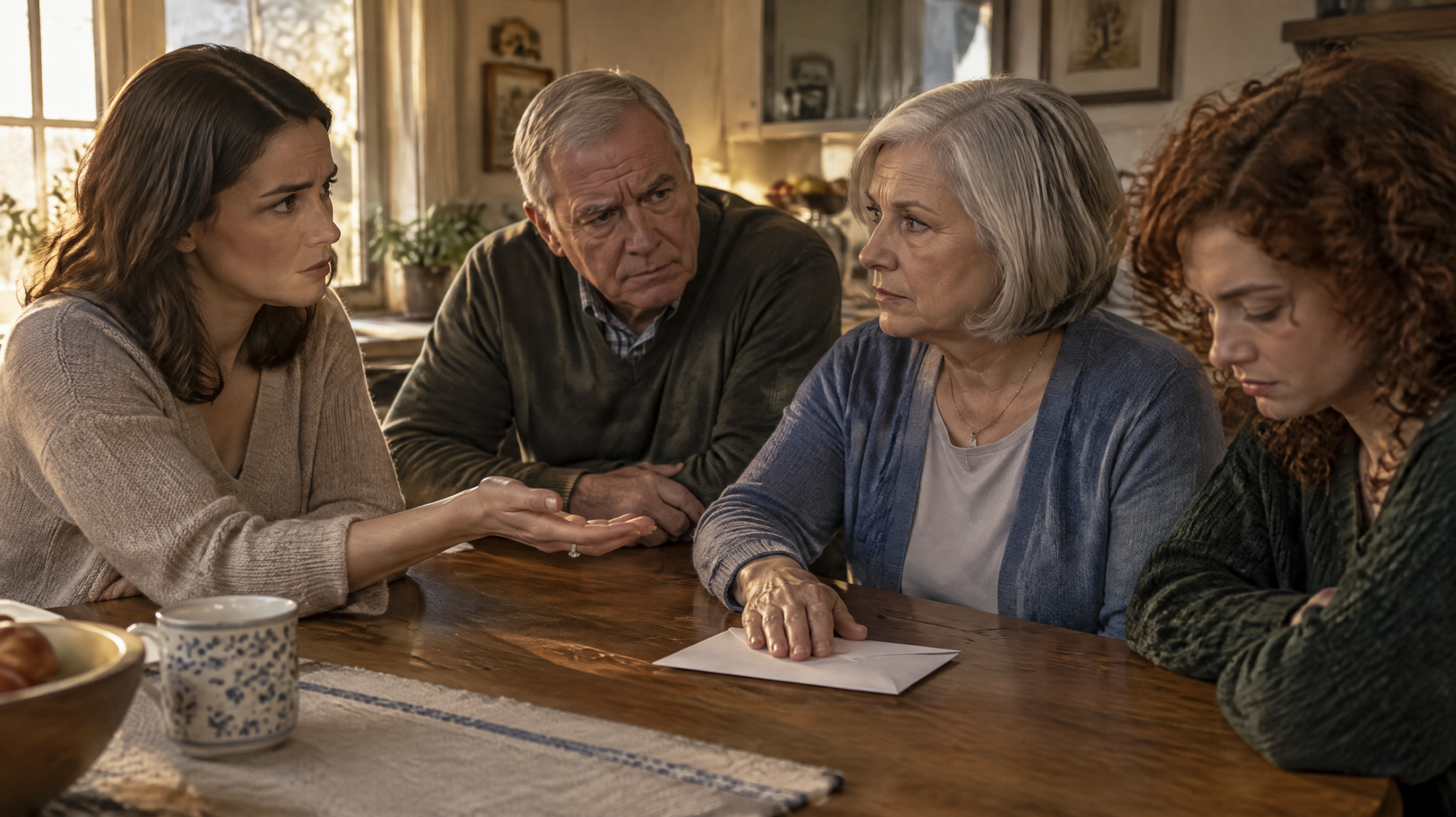
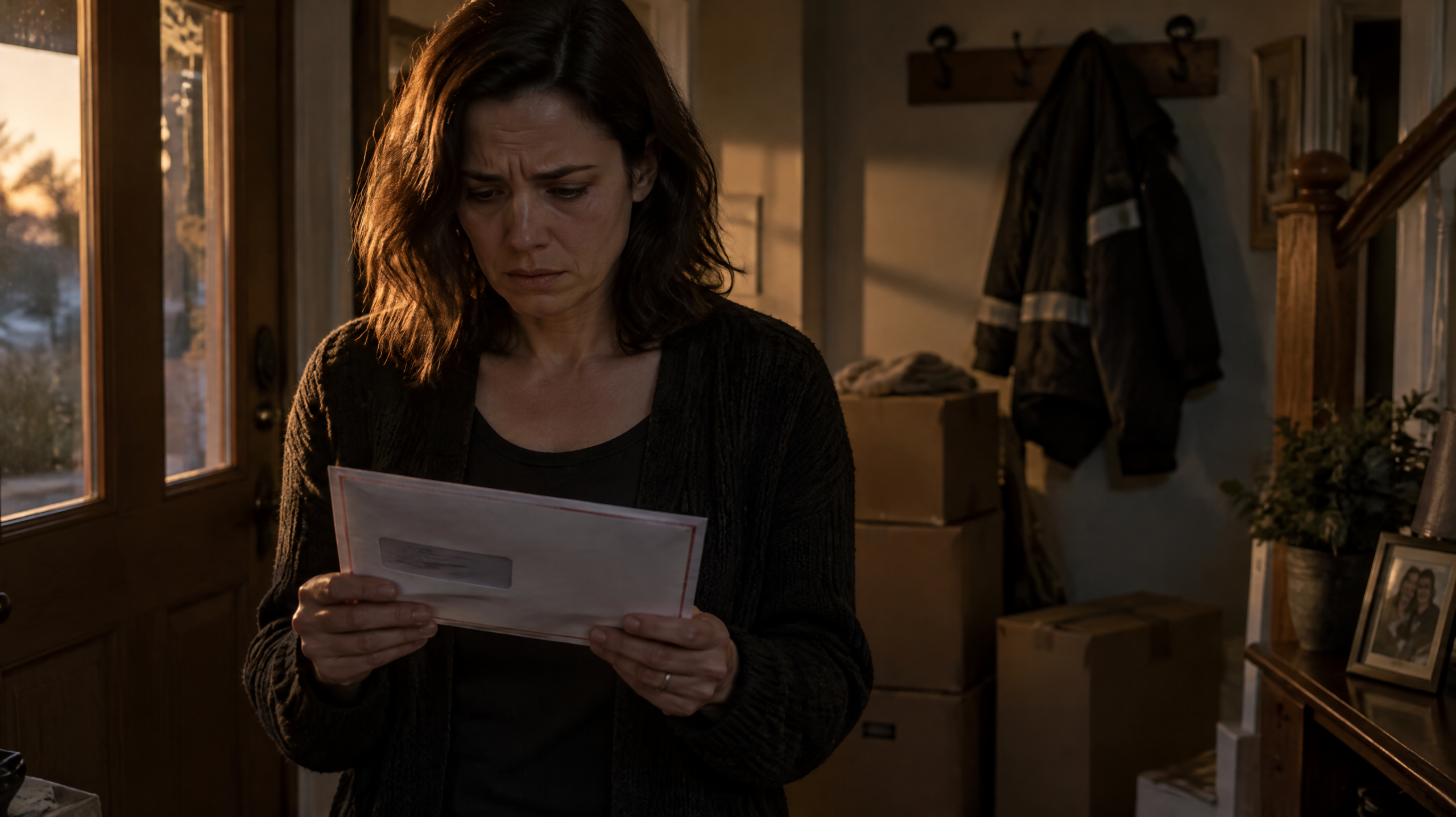
He looked at the page for a long time. “He didn’t know who I was at the end,” Marcus said. “The first year, he did. He’d apologize. Then he didn’t. But he’d hold the pen, so I kept coming.” He swallowed. “I didn’t tell you because I didn’t want you owing them anything. And I figured someday you’d need to hear it from him, not me.”
I was furious at him for deciding that for me. I was also married to the only person in my family’s orbit who had acted like a decent human being for five straight years. Both things sat in me at once.
The next morning Mom signed her statement at Priya’s office. Caleb called me that afternoon, before the ink on his mother’s affidavit could dry.
“Nora. Let’s not do this in court.” He was using his client voice. “The cottage is underwater to you anyway. Deed’s yours, free and clear, today. You sign the release, you stay quiet about the rest, and you finally get your piece of the family. The only one Grandma ever loved anyway.”
He’d found the one thing I wanted and tried to buy my silence with it. That told me what my silence was worth.
“No,” I said. I didn’t shout. I wanted him to hear how calm I was. “You can keep the cottage if it comes with your lie attached. See you at mediation.”
Priya filed the contest the next day.
Mediation took nine hours. Caleb’s lawyer was smooth until Priya laid the county notary journal beside Dr. Okafor’s memo, then the Cedar Grove invoices beside the $412,000 spreadsheet, then the 2016 will beside the 2020 one. She just put the papers down in that order and let the mediator read.
The numbers did what numbers do. Under sixty thousand in actual care costs. Three hundred ninety thousand moved to Caleb’s firm under power of attorney. By mid-afternoon Caleb’s lawyer was asking for a recess, and by evening the agreement was on paper. The 2020 will was void, notarized on a day of recorded incapacity, witnessed by the beneficiary’s own employees. The 2016 will was admitted: the estate split equally, and I was named executor, in Dad’s steady hand. Caleb was removed as executor and trustee, and the three hundred ninety thousand came back secured by a lien on his condo. The referral to the prosecutor’s office was still on the table, and it stayed there while Caleb’s side negotiated. In the end I told Priya I wouldn’t push for prison once every dollar was secured. That was my line, and I know some people will say it was too soft. What I wanted was the money protected and the record corrected, not my brother in a jumpsuit. The agreement was suspended prosecution, conditioned on full restitution and one more thing Caleb hated: a public retraction, his name on it, clearing Marcus of every claim he’d spent five years repeating.
The retraction ran in the same paper that had printed the accusation. Marcus taped it inside the kitchen cabinet, next to the grocery list, where nobody visits but us.
The family home sold in the spring, and Mom’s housing was funded from it first, before anyone touched a cent of the split. Caleb took his check, signed the lien, and I haven’t spoken to him since. I don’t expect to.
The first summer, I rehung Grandma’s photo on the cottage wall. The frame had been in the closet since Dad stopped coming up. I put his picture beside hers. Two frames, one nail each, level.
Mom came up for a week in July. She cried at the dock, then made herself useful learning the percolator, which fights everyone but her now.
Marcus was on the porch with the sunset and a beer, no errand waiting, no secret left to keep. I sat down next to him, and for the first time in five years we both just breathed, all the way out, together.