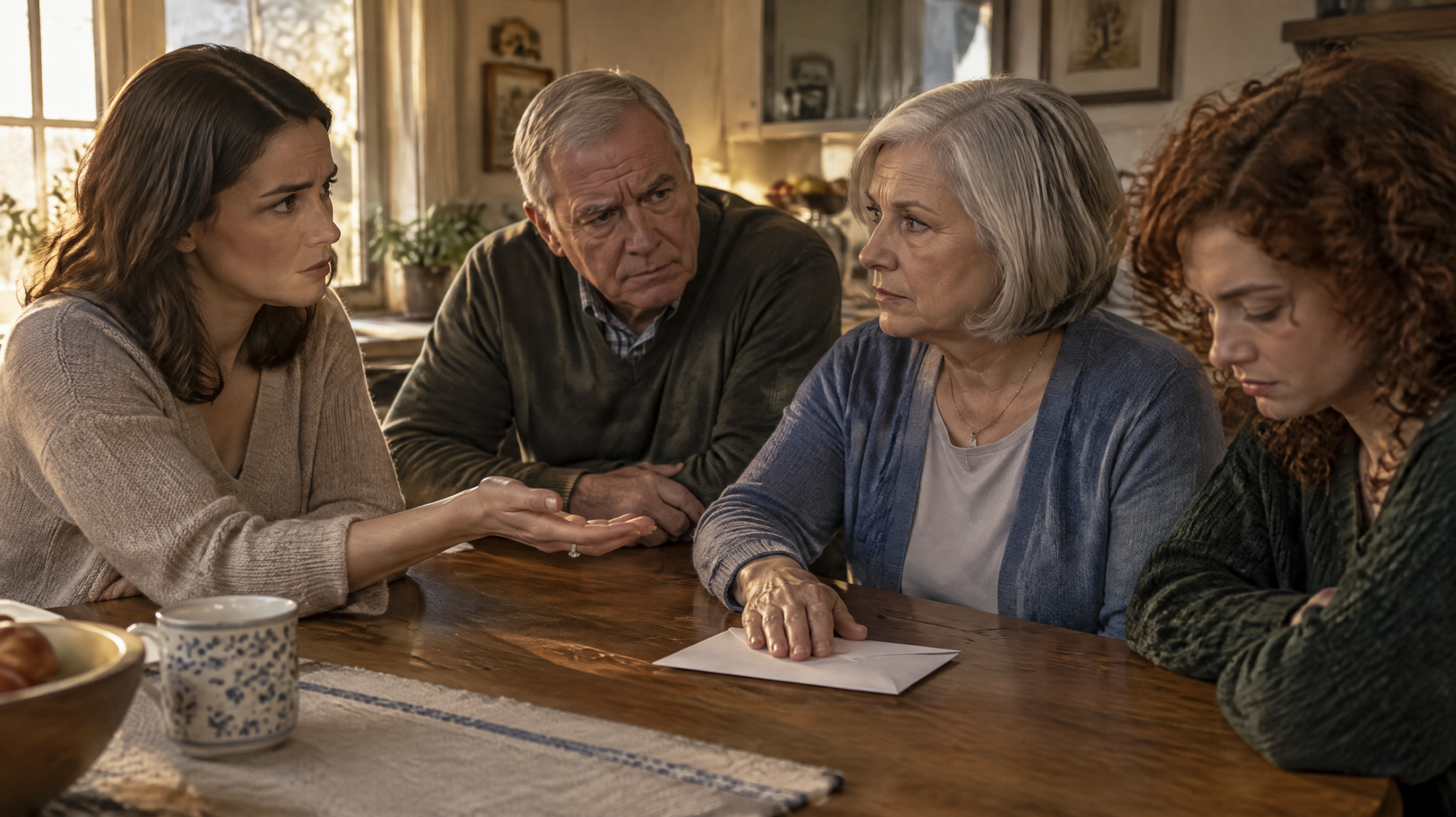
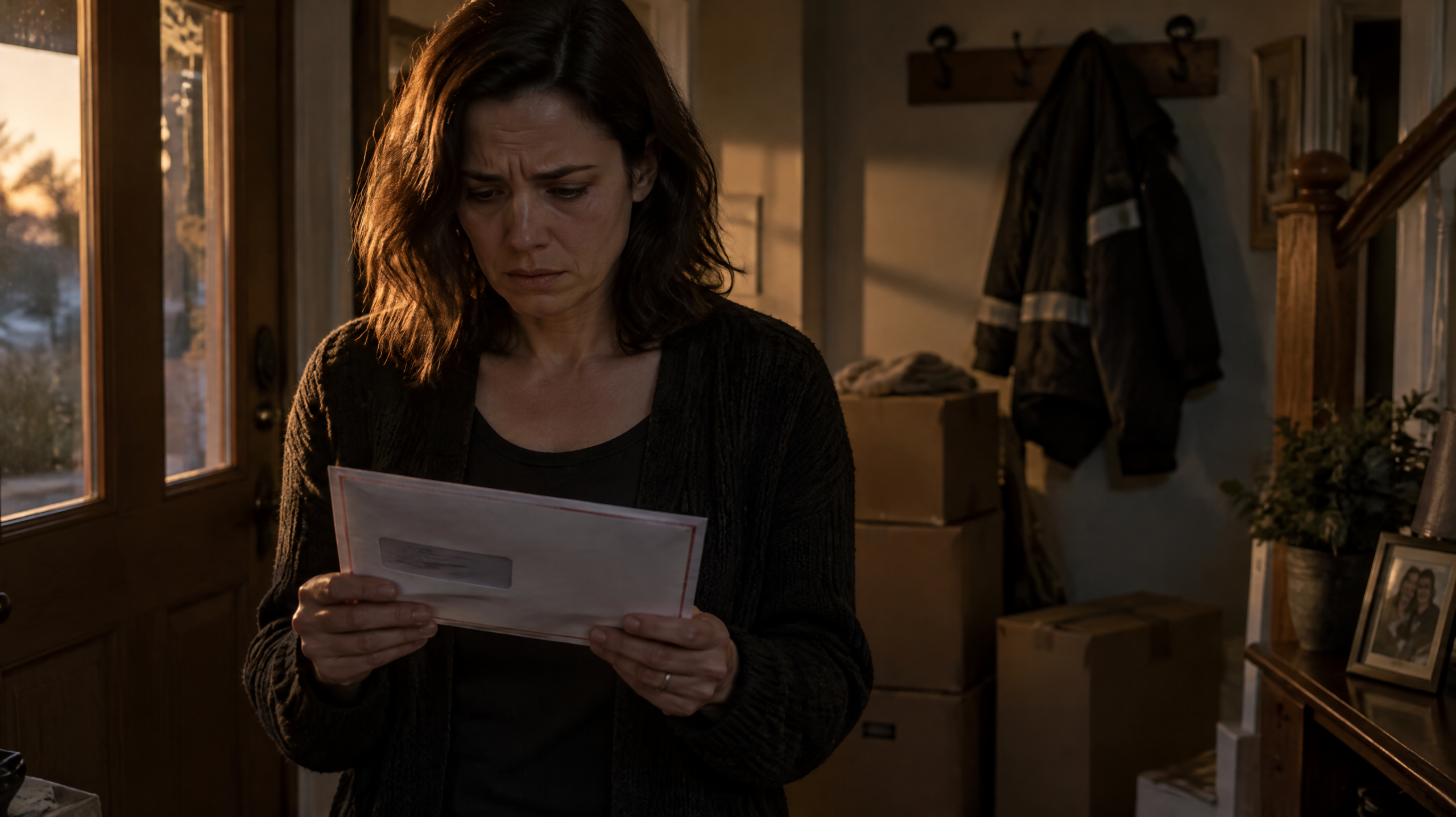
Cedar Grove sat forty minutes past the county line, brick and glass with a fenced garden out back, the kind of building I walk other people’s families into six times a year. This time the front desk was mine to stand at. The receptionist asked who I was there to see, and I had to say it out loud for the first time.
“My father. Walter Bell. He passed away in August. I need his billing records. Itemized invoices, insurance adjustments, everything from admission.”
Priya had sent me home with certified copies of the death certificate, because being somebody’s daughter takes paperwork when you’ve been nobody’s contact for five years. While the billing office printed, I asked the receptionist one more question, the same one I teach families to ask. Could I see the visitor log?
She turned a sign-in binder around on the counter. I went through it page by page while the printer ran. There were entries almost every month going back years, first one not long after Dad was admitted. Same steady hand every time, same blue pen, same three letters.
M. Bell.
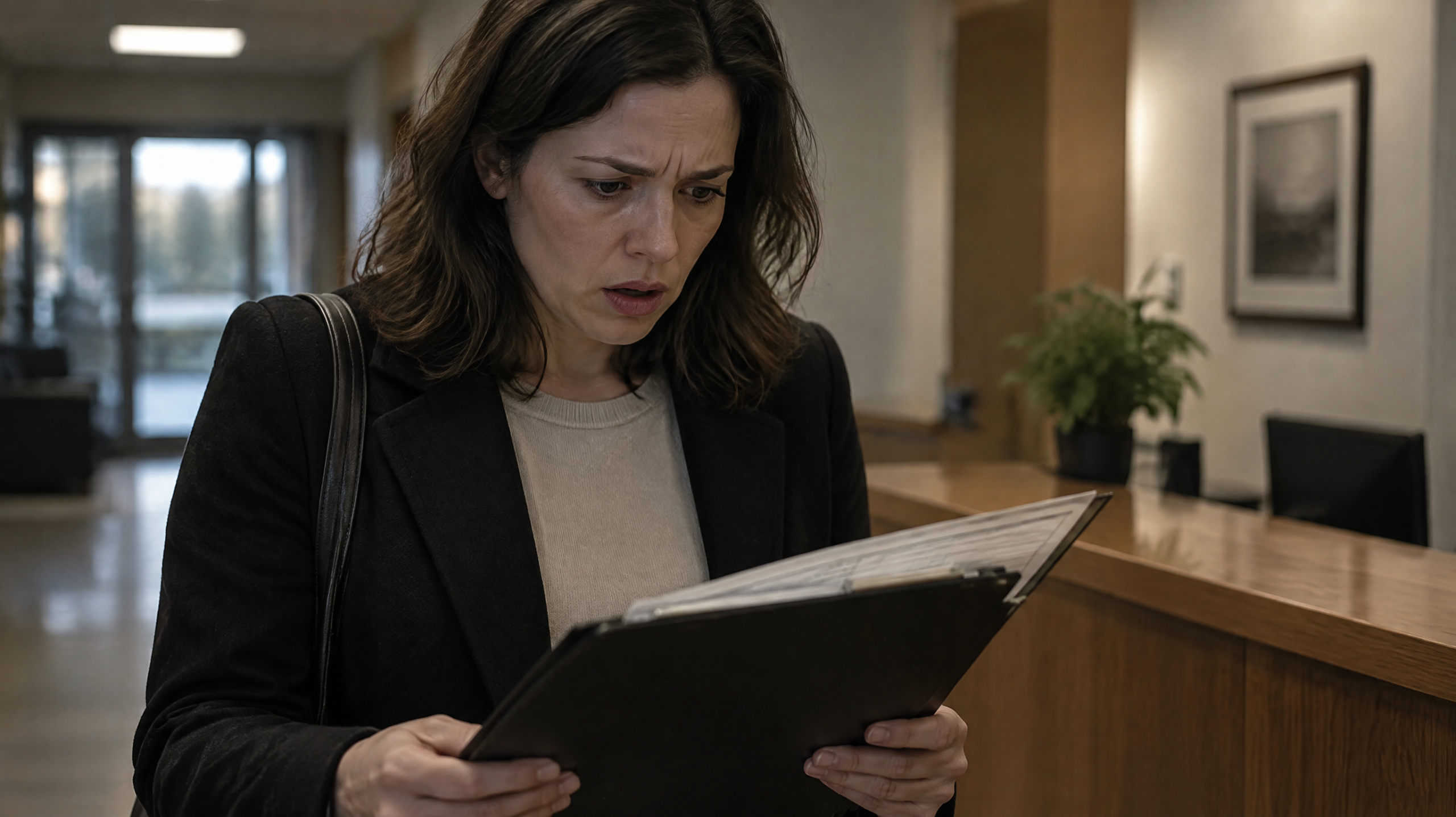
Not Mom’s looping script. Not Caleb’s slashing one. Technically my married initials are M. Bell too, and I had never set foot in that building before that morning. Marcus is an M. Bell. I did the thing where you know an answer and refuse it anyway, because accepting it would mean my husband had spent three years driving to this place and lying to me about where he’d been. I decided the initials meant nothing. I’d ask him later, casually, and watch his face.
Then the invoices came out, and I stopped thinking about anything else.
The base rate was there in black and white, staffing bundled in, insurance adjustments in a second column. I added the total twice in my head and once on the back of an intake form, because I did not trust my own arithmetic when it mattered this much. Diagnosis to death, after insurance, Dad’s entire stay came to a little under fifty-four thousand dollars. Not eleven thousand a month. About three. No private-duty shifts, because Cedar Grove’s base rate is the private duty. The medical transport line on Caleb’s spreadsheet did not exist in a single real invoice.
Caleb had shown me four hundred twelve thousand dollars of care. The facility had billed fifty-four. I sat in my car for a long time with the windows down, and the question that finally turned my key in the ignition was not where the money went. It was who signed for it.
Priya cleared a space on her desk the next afternoon, my invoices on one side, the probate inventory on the other. She is not a dramatic person. She squares paper edges like she’s leveling a shelf. But she’d pulled the estate’s filings that morning, and when she turned the inventory toward me, her finger was already resting on the line she wanted me to find.
Transfers from account 4471, aggregate: $390,000.
The payee was Caleb’s firm. Thirteen transfers over two years, none disclosed to the court as the filings required. Underneath the inventory she placed another recorded document, a power of attorney executed after Dad’s diagnosis, naming Caleb. Legal on its face. His signature, his access, his duty to account for.
“The care costs were the cover story,” she said. “This is the actual story. I’m filing a notice of intent to contest the will, and I’m required to notify the court of these transfers. I wanted you to hear it from me first, because once I file, your brother stops being an executor and starts being a respondent.”
I drove straight to Caleb’s office and walked past his receptionist before she could pick up a phone. He stood up behind his desk when I came in, and for one second, before he arranged himself, I watched him understand what I was holding.