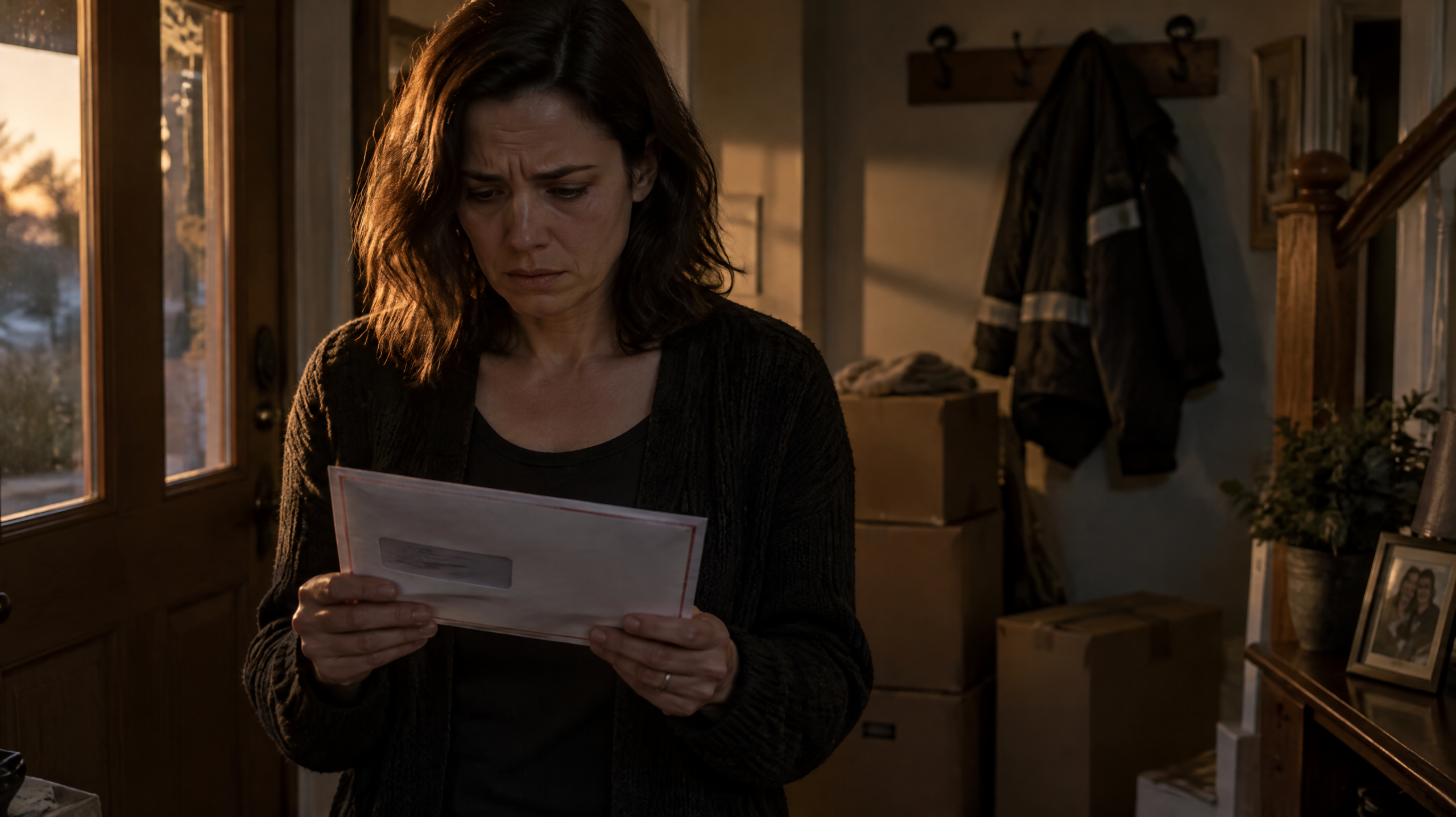
The peach slip came on a Tuesday, wedged under the doormat where I almost swept it out with the pizza flyers. Five years of nothing from my family had trained me well. Anything that needed my signature was never good news. I drove to the post office on my lunch break and signed for a manila envelope from a law firm I’d never heard of.
The letterhead said Priya Nair, Attorney at Law. Counsel for the estate of Walter Bell.
My father. And it was addressed to Nora Bell, like the name they’d refused to speak for five years was suddenly fine on legal paper.
I read it in my car in the parking lot. The firm represented the estate. Enclosed was a consent authorizing the sale of the lakeside property held in the Bell Family Trust, the parcel my family has always just called Grandma’s cottage. My notarized signature was requested within thirty days. There were paragraphs about clear title, about the buyer waiting, about deadlines that would collapse if I hesitated, and I read all of them looking for the sentence that explained why the disowned daughter was suddenly the person holding up a real estate deal.
I found something else instead, on the third page, in the little probate table at the bottom. Walter Bell, date of death August 19.
Ten weeks ago. He died in August and I signed for the news at a post office counter in November. The funeral had already happened. Whatever casseroles there were, they’d been eaten. Nobody had called me, and I understood in the car, all at once, that nobody had ever planned to.
That night I took Dad’s letter out of my nightstand, the one he mailed the month we got married, and laid the two envelopes side by side on the kitchen table. The old letter was two paragraphs and I knew it by heart. Until you end this marriage, do not contact this family again, and expect nothing from me. I’d read it two hundred times. It still worked.
Marcus came home, read the new pages twice the way he reads contracts, and then put water on for tea, which is what he does instead of yelling. That used to embarrass me, his quiet. That night I was grateful for it.
The phone rang the next morning while I was still in my robe. Mom. Her first call in five years. I stood with my thumb over the screen until it almost went to voicemail, and then I answered like an idiot.
“Nora. Thank God. You got the letter.”
“You could have called me when he died.”
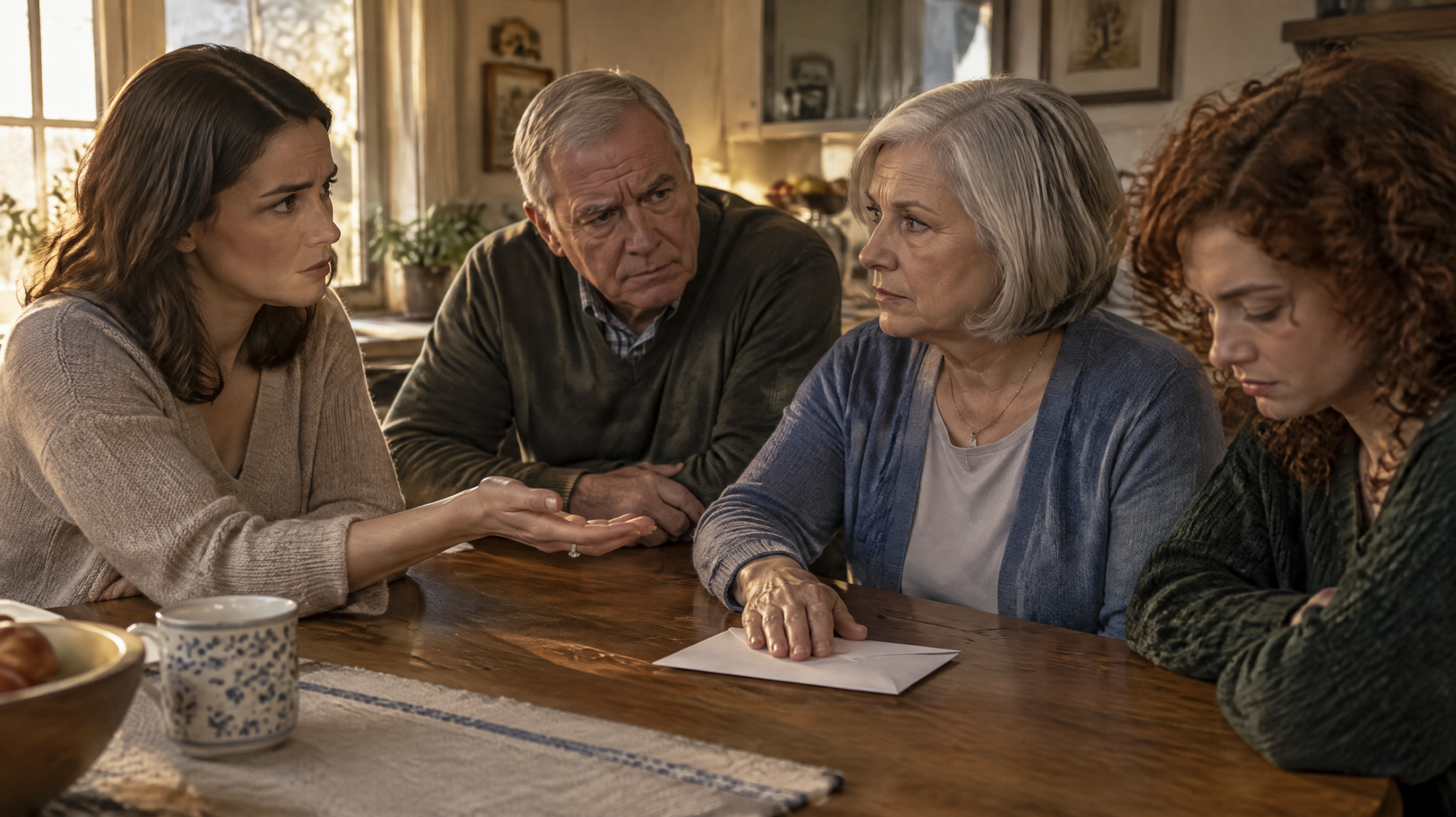
Her breath did something complicated on her end. “It was a hard time. There were decisions. Nora, listen to me now, because we don’t have much time. The accounts are collapsing. The memory care took everything, the nurses, the medical transport, the roof on the house. Caleb says if the cottage doesn’t close by the deadline, the penalties will finish what’s left. You just have to sign.”
Everything. That was the word she kept using, like Dad’s care had been a fire that burned through every account and left the rest of them standing in the ashes.
Marcus was in the doorway with two mugs, and he’d heard all of it. When I hung up, he didn’t touch me. He set a mug down within my reach and said, “Five years of silence, and the first thing they ever ask you for is your signature. Don’t give them anything until you’ve read what it’s attached to.”
I want to be honest here. For most of a day, I wanted to sign it. Not because I believed her about the accounts, but because mailing it back would have meant being finished, all of them out of my file forever, the nightstand drawer empty. The ugly part of me wanted that more than I wanted the truth. I’m writing this down because it’s true.